Breastfeeding Moms and Milk Supply With Essential Oils
Wondering which essential oils nursing moms use to support milk supply? A mom-to-mom look at gentle, cautious options, what to avoid, and when to ask your
By the LittleSynergy Team — moms, Wellness Advocates & doTERRA enthusiasts
Many nursing moms spend those early weeks wondering if anything they breathe in could help or, honestly, hurt a fragile milk supply. If you are reading this, you are probably in that same tired, searching place. The short answer is some nursing moms do use a few very gentle essential oils as part of their overall lactation routine, but this is one area where caution really cannot be overstated. There are no shortcuts here, only quiet, careful choices made alongside your doctor or lactation consultant. What follows is what we have come to understand as moms who have been there, not a prescription, just a gentle starting point for your own conversation with your healthcare provider.
Oils That Many Nursing Moms Reach For
When supply feels low, it is natural to look for anything that might help you feel more supported. In the doTERRA community, we often hear moms mention two oils specifically.
Fennel has a long traditional history connected to women's wellness and lactation. Its sweet, licorice-like aroma is comforting, and a drop or two in a diffuser in a well-ventilated, shared living space is how I have seen it used most cautiously. Never on the skin, and always with your doctor's prior approval.
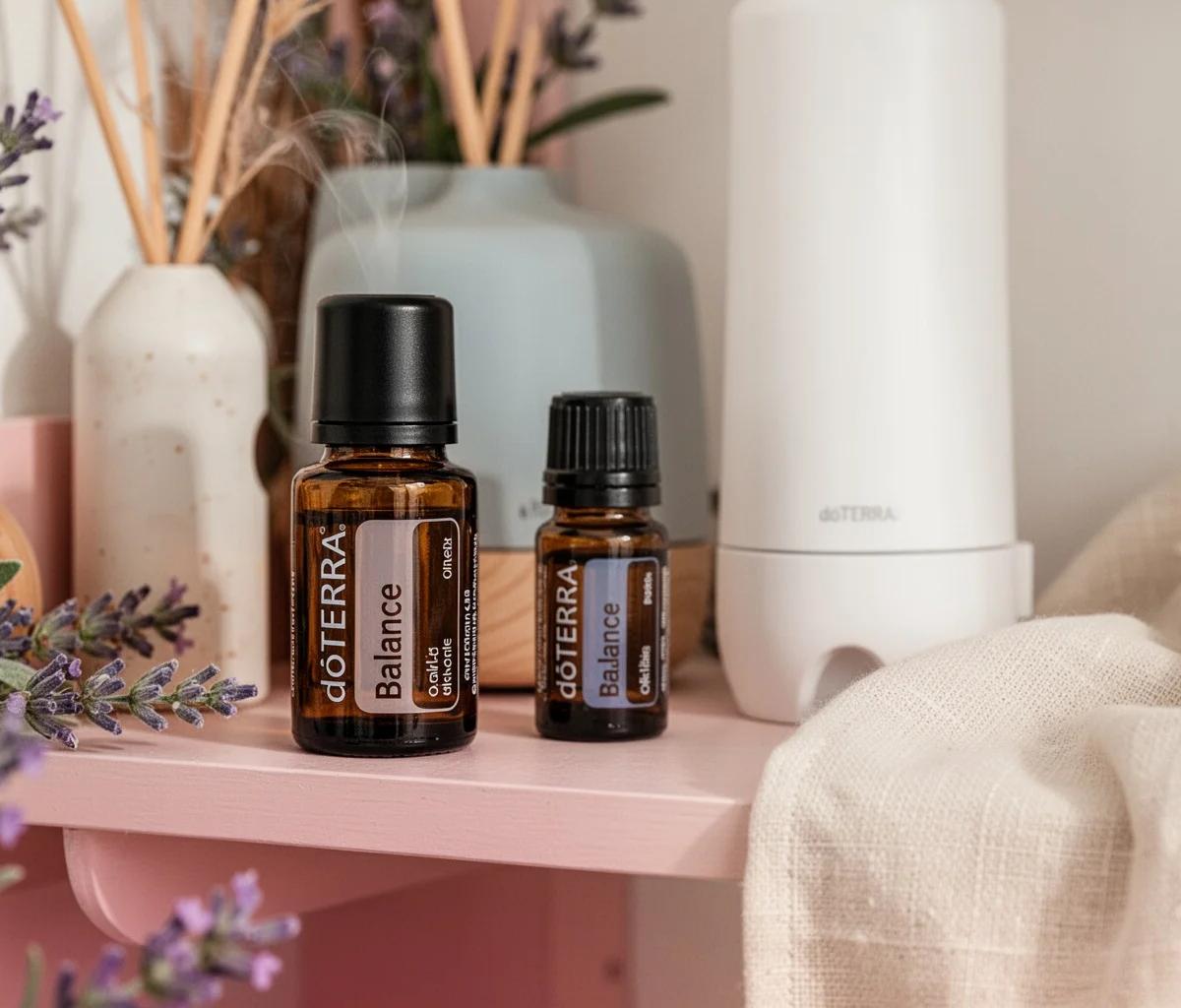
A grounding blend can also be a quiet companion. Balance, with its woodsy, calming scent, is not about milk supply directly. What it does is help anchor you during those anxious moments of pumping or nursing, and a calm let-down can make all the difference. Many moms prefer diffusing it in the living room rather than applying it topically during this season.
A Gentle, Cautious Routine to Consider
This is the quiet, minimal approach I have seen moms discuss with their healthcare team. It is not a protocol, just a rhythm you can adapt with professional guidance.
- Talk first, never after. Have a frank conversation with your doctor or lactation consultant about any oil before you even take the cap off.
- Diffuse, do not apply. Stick to ambient diffusion in a well-ventilated space, not the nursery, with just 1-2 drops. Do not apply oils to your breasts or skin right now.
- Start with one. If your doctor gives the green light, introduce only one gentle oil, like Fennel, for a few days so you know how your body, and your baby, respond.
- Watch your baby. Look for any change in fussiness, feeding, or skin. If you notice anything, stop using the oil and call your doctor.
- Keep it short and sparse. Diffuse for 30 minutes max, not continuously, and keep the door open.
Oils Best Left on the Shelf Right Now
Some oils are not a fit for breastfeeding season. I found it helpful to know which ones to avoid so my home could stay truly gentle.
| Oil to Avoid (Plain Text Only) | Why It Is Not Ideal for Now |
|---|---|
| Peppermint | Traditionally associated with decreasing supply; many nursing moms avoid it entirely. |
| Clary Sage | Powerful and influential on hormones; best discussed with your midwife or OB, not self-selected. |
| Rosemary | A robust, high-menthol oil many choose to avoid during nursing. |
| Wintergreen | Extremely potent; not a nursing-friendly choice. |
Note: This table names oils as plain text because they are cautions for this season, not recommendations you should click and buy right now. Your decision rests with your doctor.
We go deeper into the wider set of cautions in our post on essential oils while breastfeeding, what moms need to know, which is a peaceful companion read to this one.
A Quick Word on the Calm Connection
While Balance is not a milk-boosting oil, a calm nervous system supports a good let-down. What we recommend most often is thinking of oils as a background note, a fragrant little anchor that helps you settle, while nutrition, hydration, and frequent nursing do the heavy lifting. Never prioritize a diffuser over a glass of water and a snack.
Related reading
- Essential Oils While Breastfeeding, What Moms Need to Know
- Essential Oils and Breastfeeding What No One Tells You
- Best Oils for a Clogged Duct While Nursing
Frequently Asked Questions
Can fennel essential oil really increase milk production? Fennel has a very long traditional association with lactation in herbal and folk practices, which is why many mothers are curious. However, as an essential oil, the evidence is experiential rather than clinical, and any use must be cleared with your doctor or lactation consultant first.
Is it safe to apply oils directly to my breasts while breastfeeding? No. Topical application on or near the nipple area is widely avoided. Your baby will ingest whatever is on your skin, and essential oils are not meant for ingestion. Diffusion in a separate, well-ventilated space, far from the baby’s direct breathing zone, is the approach most often discussed with caution.
What should I stop using immediately if my supply drops? Peppermint is the first oil many lactation experts and experienced moms suggest removing. Even a strong peppermint tea or a nearby diffuser may be a factor for some women. Pause its use and consult your pediatrician or IBCLC.
Can I use the same calming blends I used before pregnancy? Not necessarily. Your body and your baby’s are in a different, delicate relationship now. Even familiar, gentle blends should be re-evaluated one by one with your current healthcare provider, putting the baby’s safety first every time.
Is it normal to feel uncertain about using oils while nursing? Completely. That uncertainty means you are paying close attention, which is exactly what a great mom does. Take it slow, keep information from your doctor as your only true guide, and know that you are not behind on anything. You are right on time.
A Brief Final Outbreath
The deep, real work of breastfeeding is done by you and your baby, not by a bottle of oil. Stay hydrated, eat well, and rest whenever the world lets you. You are already doing the most powerful thing, feeding your baby with your body, and that is enough.
This content is for general information only and is not medical advice. Essential oils are not intended to diagnose, treat, cure, or prevent any disease; always consult a pediatrician before any use involving babies or children.