doTERRA vs Young Living Safety for Kids
Which essential oil brand is safer around children, doTERRA or Young Living? A parent-to-parent comparison of testing, labels, and caution. A practical guide.
doTERRA vs Young Living Safety for Kids
By the LittleSynergy Team — moms, Wellness Advocates & doTERRA enthusiasts
If you have ever stood in the oil aisle with a sleeping baby at home and no idea which brand to trust, you already know this feeling. The short answer: for children's safety, we lean toward doTERRA, mostly because its testing standard, labeling consistency, and kid-specific guidance are easier to verify. Young Living can be used safely too, but the responsibility of knowing which oils suit children falls more heavily on the parent.
Where Parents Get Stuck
The real comparison is not which brand is more natural. It is which brand makes it easier to use oils cautiously around children. Both companies sell high quality oils. Both deserve respect. But when a toddler is in the room, clarity matters more than marketing.
What we look for first:
- Does the label tell us age guidance without having to dig?
- Is the testing standard published and consistent?
- Are there ready-made, gentle options for home use?
doTERRA's Certified Pure Tested Grade standard is clearly tied to batch testing and label information. We have found the product pages and labels easier to explain to another parent.
Side-by-Side for Kids Safety
| Criterion | doTERRA | Young Living |
|---|---|---|
| Testing standard | CPTG, batch tested | Seed to Seal, less transparent per bottle |
| Label age guidance | Consistent and visible | Varies by product |
| Kid-friendly blends | Clear range, e.g. Lavender | Options exist, less curated |
| Parent learning curve | Gentler | Steeper |
Neither brand is unsafe when used correctly. The difference is how hard you must work to use them correctly.
How We Choose Around Kids
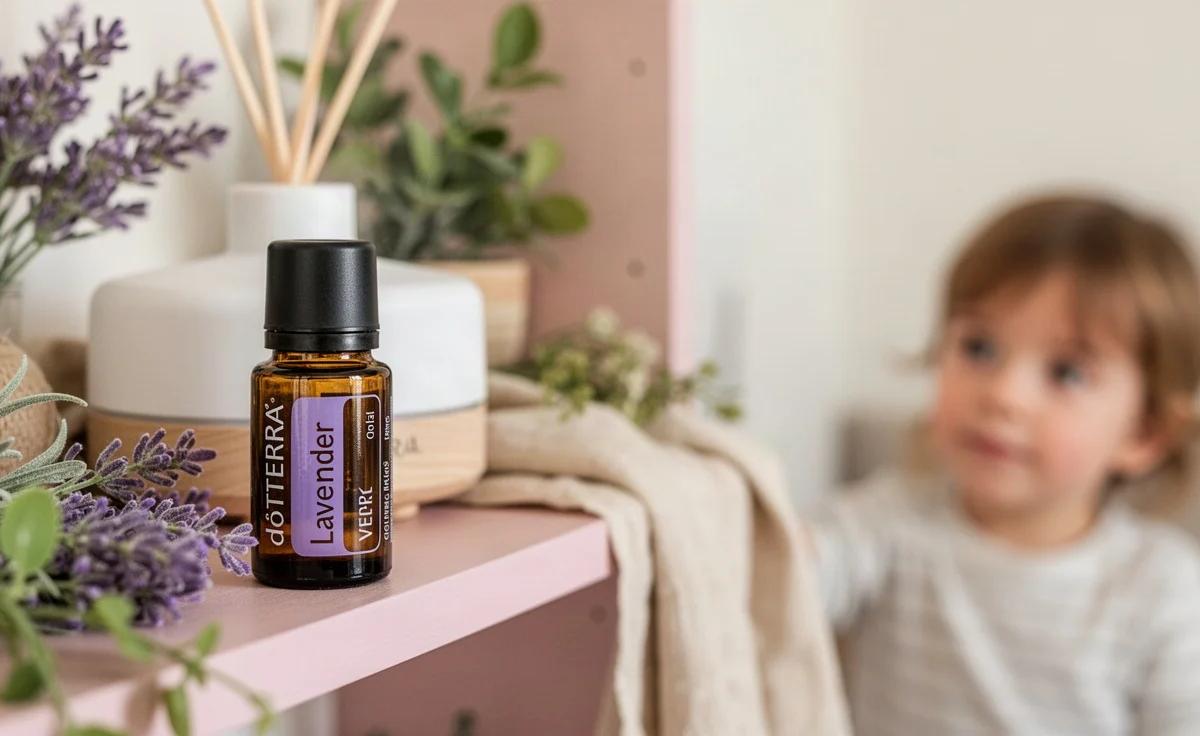
- We start with the gentlest single oils, like Lavender, in a diffuser in a shared room.
- We avoid strong oils like peppermint, eucalyptus, cinnamon, and clove around young children, regardless of brand.
- We never apply essential oils to the skin of newborns or infants without pediatric guidance.
- We always keep bottles stored out of reach, with caps tight.
To learn more about how we evaluate safety, see our is doTERRA safe for kids article. And if you want a broader brand comparison, doTERRA vs Young Living for kids compared is worth reading.
Which One Should You Choose
Choose doTERRA if you want clearer labels, a consistent testing story, and a gentler path into oils with little ones at home.
Choose Young Living if you already trust that ecosystem, have experience with oils, and are willing to research each oil carefully before it enters a child's space.
Both can work. What matters is the adult doing the research.
Common Mistakes Parents Make with Either Brand
The most frequent error we see is assuming that because an oil is pure, it is automatically gentle. Purity and potency are different things. A pure bottle of peppermint is still too strong for a two-year-old's airways. Another mistake is applying oils to the soles of a child's feet without dilution, thinking the skin there is tougher. It is not, and small bodies absorb quickly.
Parents also forget that a diffuser running for hours in a closed bedroom can become overwhelming, even with a mild oil like lavender. A ten-minute session with the door open is often enough. And we have seen parents overlook older siblings: a preschooler can unscrew a cap faster than you expect. Keep oils in a lockbox or high cabinet, not just out of sight.
Practical Dilution and Diffusion Guidelines We Use
A simple rule we follow: for children over two, we dilute one drop of a gentle oil in at least one teaspoon of carrier oil, like fractionated coconut or sweet almond. That is roughly a 1% dilution. For older kids, we might go slightly stronger, but never past 2% without a specific reason.
For diffusion, we use one to two drops in a water-based ultrasonic diffuser in a shared room, never a nursery, and only when an adult is present. We open a window or leave the door ajar. A good test: if you can smell the oil strongly in every corner of the room, it is too much. We also avoid diffusing every day — two or three days a week gives small bodies a break. With either brand, less really is safer.
How to Read a Label Before You Buy
Before bringing any oil into a home with children, pause on the label. Look for three things. First, the botanical name. Lavandula angustifolia is gentle and calm, while Lavandula stoechas is much more stimulating and not a kid-friendly swap. Second, check for dilution instructions. If the label does not mention children at all, that is a signal to research further or skip it.
Third, look at the suggested uses. Oils marketed for energy, focus, or cleansing often contain stronger constituents like menthol or 1,8-cineole, which can be problematic for small airways. If you are comparing doTERRA and Young Living specifically, we have found doTERRA's product pages tend to state age cautions more plainly, which saves time during a busy evening. When in doubt, write down the botanical name and ask your pediatrician before the first use.
Related reading
Frequently Asked Questions
Are doTERRA oils safer for kids than Young Living oils?
We find doTERRA's labels and testing standard easier for parents to verify, but safety depends on the specific oil, the child's age, and how it is used. Neither brand is a substitute for pediatrician guidance.
Can I diffuse both brands around babies?
We prefer very short diffusion sessions in a well-ventilated shared room, never a nursery, and only with the gentlest oils. We always ask the pediatrician first.
Which oils should children avoid in either brand?
Peppermint, eucalyptus, rosemary, wintergreen, cinnamon, clove, oregano, and thyme are the ones we keep away from young children, regardless of brand.
Do both brands test for purity?
Yes, both companies have testing programs. doTERRA's CPTG standard is easier for us to explain and check batch by batch.
What is the most important safety rule?
Go slowly, diffuse more than you apply, use the gentlest oils, and always consult your pediatrician. The brand matters less than the caution of the parent using it.
When both brands sit on the shelf, the safer choice is the one you can understand quickly and use slowly. For our family, that has been doTERRA, but the real safety comes from reading labels, asking the pediatrician, and keeping oils out of little hands.
This content is for general information only and is not medical advice. Essential oils are not intended to diagnose, treat, cure, or prevent any disease; always consult a pediatrician before any use involving babies or children.