Essential Oils for Baby Eczema What to Know
Wondering about essential oils for baby eczema? A mom’s honest look at what’s gentle, what to avoid, and the first step before you reach for a single bottle.
By the LittleSynergy Team — moms, Wellness Advocates & doTERRA enthusiasts
Many parents know the worry of staring at a little one’s angry, red cheeks, ready to try anything to bring some comfort. If you’re reading this, you’re probably in that same tender, worried place, wondering if something as pure as an essential oil could help. Before you even think about touching your baby’s skin, let's be very clear: the gentlest, most effective and safest first step is talking to your pediatrician. Eczema in babies is a complex, medical skin condition, and essential oils never replace that professional guidance. From one mom to another, we know it’s tempting to search for a natural solution, but what we've come to understand is that the best ritual is the one you build with your child’s doctor. Many of the oils we adults love are absolutely not suitable for a baby’s delicate, highly permeable skin and can worsen irritation. This isn't about finding a miracle cure; it’s about learning where extreme caution begins, so you can make a fully informed choice alongside your healthcare provider.
Understanding the Real Risk to Infant Skin
A baby’s skin is not just smaller; it's structurally different. It’s thinner, more absorbent, and its protective barrier is still developing. What feels like a gentle tingle to us can feel like a painful burn to them. Applying water alone can temporarily disrupt an infant’s skin, so the idea of placing concentrated plant extracts directly on it requires immense respect and restraint. We’ve learned that the most nurturing approach starts not with what you apply, but with what you intentionally hold back. The safest oils in your collection for one purpose (like relaxation) have no place on our babies' eczema-prone skin.
Oils to Never Use on Baby’s Skin
When it comes to eczema and infant skin, avoidance is your most powerful tool. These are the oils we keep locked away and never, ever use on or near babies:
- Oregano, Cinnamon Bark, Clove, Thyme: These are “hot” oils containing high levels of phenols that can cause chemical burns and severe irritation on sensitive skin. They are never for a baby’s skin.
- Peppermint and Wintergreen: These contain high levels of menthol and methyl salicylate. On a baby’s delicate or broken skin, they can cause breathing difficulties and systemic toxicity. The risk is simply not worth it.
- Eucalyptus and Rosemary: Both are very high in 1,8-cineole, a compound known to slow respiration in young children. I keep these out of any diffuser in a room a baby shares.
- Lemon, Wild Orange, Bergamot: These phototoxic citrus oils react with UV light to cause severe burns on skin. Even if not directly applied, risk of transfer is high.
Thinking of applying any of these is a big red flag. Always check the label and talk to your doctor.
What Does “Gentle” Really Look Like?
Here’s the hard truth: there are no "safe-for-eczema" essential oils for babies. To say otherwise would be medically irresponsible. The conversation shifts entirely from finding a curative oil to understanding how you, as a mom, can create a calming atmosphere without topical application. A gentle approach is about environmental support that soothes you and indirectly helps your baby.
| Approach | Why It’s Considered | Our Mom-to-Mom Caution |
|---|---|---|
| Ambient Diffusion | A tiny amount of a very gentle oil in a large, airy room creates a relaxing scent. | Never in the nursery or directly where the baby sleeps. The baby is in the room, so you are diffusing for them, too. |
| Mom’s Personal Aromatherapy | A mom applies a diluted, gentle oil to her own wrist or a diffuser necklace. | This is a safer way for a baby to smell a scent, briefly, through close contact with you. |
| Topical Application | Applying ANY dilution directly to a baby’s skin for eczema. | Extremely high risk. Not recommended without explicit, direct guidance from a pediatric dermatologist. |
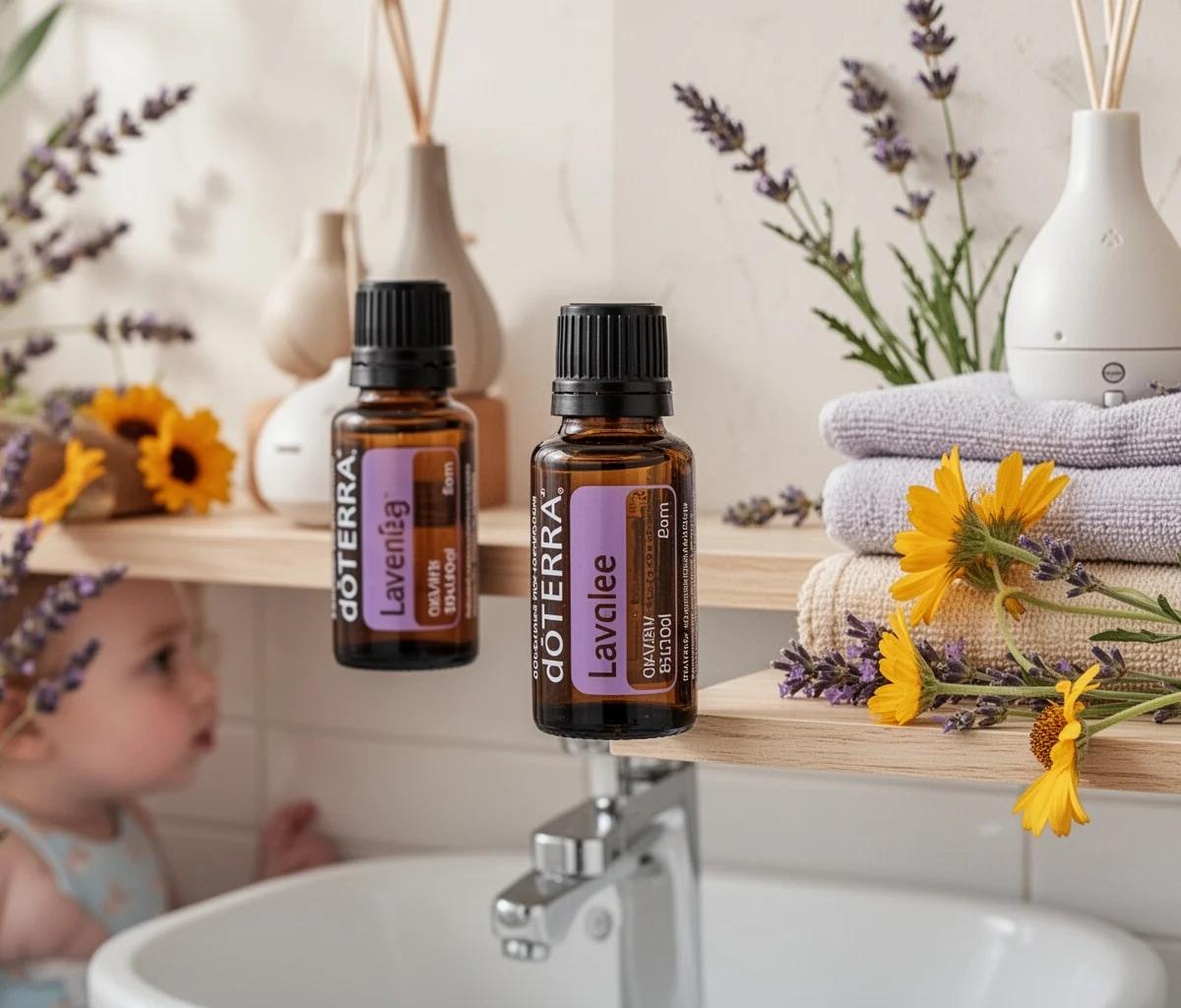
If your pediatrician approves environmental use, the concept of “gentle” includes oils like doTERRA’s Lavender or Frankincense, but only for your own maternal support, not for your baby's skin. I might put a diluted drop of Lavender Touch on my own wrists. Their soft, comforting aroma acts as a quiet signal of peace for a baby in my arms, not a treatment for their skin.
If Your Doctor Gives the Green Light: A Cautious Sequence
This is the only sequence I would even consider, and only after a lengthy, specific conversation with your child’s pediatrician who has seen and assessed their eczema.
- Select a single, mild oil. The only one my own pediatrician ever mentioned as sometimes tolerated in ultra-tiny, trace amounts is doTERRA’s Frankincense. No blends, just one single oil from a trustworthy source.
- Professional dilution guidance. Ask your doctor to specify the exact dilution for your child’s age and skin condition. A general online ratio is never appropriate.
- Test on healthy, unbroken skin. Apply a tiny amount of the diluted solution to a spot like the foot sole, cover it, and wait a full day to observe for any reaction.
- Never on active eczema. An oil must never be placed on cracked, weeping or red skin, as this can cause intense stinging, burning, and further barrier damage.
- Immediate discontinuation. At the first sign of redness, irritation, or discomfort, stop use immediately and speak with your doctor.
Related reading
Frequently Asked Questions
Can I put lavender oil directly on my baby’s eczema? No. Neat essential oils should never be applied to a baby’s delicate or inflamed skin. You risk causing a painful skin reaction, chemical burn, or worsening the eczema. Any use must be directed by your pediatrician.
Is a diffuser with frankincense safe for my baby’s room? In our experience, it’s best not to diffuse directly in a nursery or sleeping space. If you choose to diffuse in the airy, main living area for a very short period and with a tiny amount, it’s an environmental choice, not a treatment, but the safest route is always following your doctor’s advice on this point.
What is the safest essential oil for a baby’s skin? The honest answer is that no essential oil is certified "safe" for a baby’s skin without a pediatrician’s approval. A baby’s developing skin is too sensitive for general recommendations.
Why is a carrier oil on its own a good idea? In our experience, a pure, simple, unscented carrier oil like fractionated coconut oil, gently applied, can comfort and protect dry skin by supporting the skin’s barrier without the risk of irritation from active plant compounds.
I’m breastfeeding. Can I use peppermint oil for myself? It’s best to avoid peppermint oil while breastfeeding as its key constituent, menthol, is known to potentially reduce milk supply. Always consult your doctor or a lactation consultant for guidance on what is compatible with your nursing journey.
A Few Words from the Heart
Caring for baby eczema is a journey of comfort, patience, and trust in your medical providers. There is no need to rush into adding plant extracts to their fragile skin. In our experience, the most powerful ritual is your own calm presence. Keep your oils for your own encouragement and leave your tiny one’s precious skin to the gentlest of bases: love, a good pediatrician, and a simple, fragrance-free barrier cream.
This content is for general information only and is not medical advice. Essential oils are not intended to diagnose, treat, cure, or prevent any disease; always consult a pediatrician before any use involving babies or children.