Gentle Essential Oils for Kids Sleep
Discover gentle essential oils for kids' sleep routines. Learn safe diffusing practices, calming blends, and bedtime rituals for better rest.
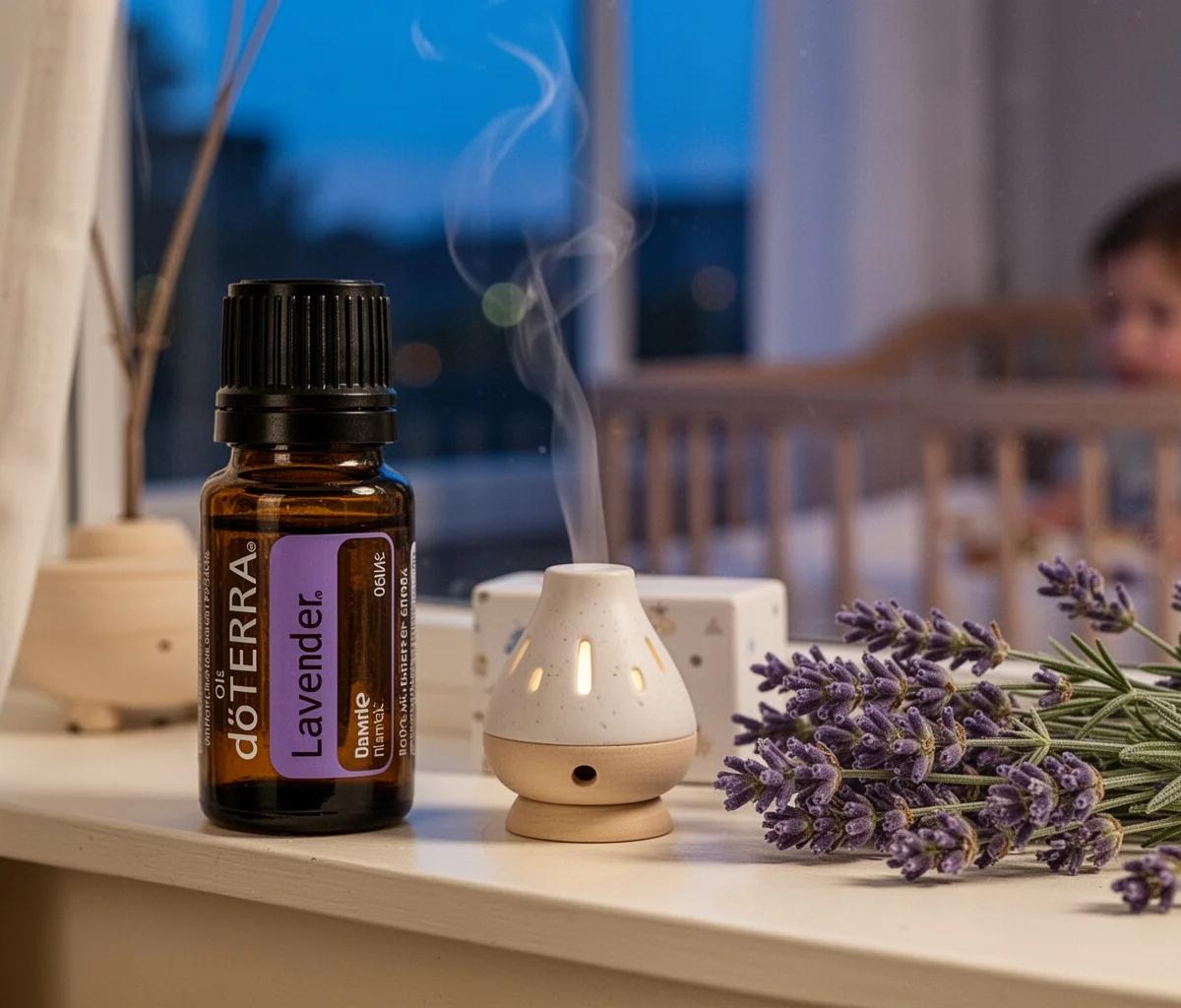
By the LittleSynergy Team — moms, Wellness Advocates & doTERRA enthusiasts
The short answer is that certain gentle essential oils, when diffused appropriately in shared family spaces, may help create a calming bedtime atmosphere that supports relaxation and sleep routines for children. Many parents find that oils like Lavender, Roman Chamomile, and Cedarwood, used in a diffuser during wind-down time, contribute to a soothing evening environment. These oils are traditionally valued for their soft, grounding aromas. That said, essential oils are never a substitute for pediatric guidance, and every child is different. Always consult your pediatrician before introducing essential oils into your child's routine, follow doTERRA's official age guidance and product labels, and never apply oils directly to a baby's or young child's skin without professional advice. Diffusing in well-ventilated shared spaces is the gentlest starting point, and this article will guide you through safe, simple practices.
Why Parents Turn to Essential Oils for Bedtime
Creating a consistent, calming bedtime routine is one of the most helpful things we can do for our children's sleep, and many families find that pleasant aromas play a supporting role. Essential oils offer a natural way to signal that it's time to wind down. When diffused in a child's bedroom or a shared hallway, gentle oils can become part of a sensory ritual: dim lights, a warm bath, a favorite story, and a soft, grounding scent in the background.
In our experience, the ritual itself matters as much as the oil. The aroma acts as a gentle cue that bedtime is approaching, helping little ones transition from playtime to sleep mode. doTERRA's carefully sourced oils, produced under the CPTG (Certified Pure Tested Grade) standard, give parents confidence in the purity and quality of what they're diffusing around their family.
Remember, essential oils are wellness tools, not medical treatments. They will not cure sleep disorders, and they're never a replacement for a pediatrician's advice if your child is experiencing persistent sleep difficulties.
Gentle Essential Oils for Children's Sleep Routines
Not all essential oils are appropriate for children. Some are too "hot" or irritating, others too stimulating. Below is a comparison of beginner-friendly oils many parents choose for evening diffusion, alongside oils to avoid or use with extra caution around young children.
| Oil | Aroma Profile | Typical Evening Use | Safety Notes |
|---|---|---|---|
| Lavender | Soft, floral, calming | Most popular for bedtime diffusion | Generally well-tolerated; follow doTERRA age guidance |
| Roman Chamomile | Sweet, apple-like, gentle | Traditionally used for relaxation | Mild and soothing; consult pediatrician for young children |
| Cedarwood | Warm, woody, grounding | Helps create a cozy atmosphere | Safe for diffusion; avoid direct skin application without dilution |
| Serenity (Restful Blend) | Balanced blend, calming | Pre-blended for evening routines | Designed for relaxation; follow label and age guidance |
| Vetiver | Earthy, rich, deeply grounding | Often blended with lighter oils | Strong aroma; use sparingly in diffuser |
| Peppermint, Eucalyptus | Minty, cooling, sharp | Avoid for young children | High menthol/cineole content; not suitable for small children |
| Cinnamon, Clove, Oregano | Hot, spicy, intense | Keep away from children's skin | Irritating; never use topically on children |
| Bergamot, Lemon, Wild Orange | Bright, citrus, uplifting | Avoid on sun-exposed skin | Phototoxic; safe to diffuse but not on skin before sun exposure |
What we recommend most often is starting with Lavender or Serenity in a diffuser, used in a well-ventilated bedroom or hallway, 30, 60 minutes before bedtime. Keep the diffuser out of reach, and never leave it running all night in a closed room.
How to Safely Diffuse Essential Oils for Children
Diffusing is the gentlest and safest way to introduce essential oils into a child's environment. Follow these steps to create a calming evening ritual:
- Choose a quality diffuser. Use an ultrasonic cool-mist diffuser (doTERRA offers several options). Never use heat-based diffusion around children.
- Select a gentle oil. Start with Lavender, Roman Chamomile, or Serenity.
- Use less than you would for adults. A few drops (typically 2, 4 drops in 100ml of water) is plenty for a child's room. The goal is a subtle background aroma, not a strong scent.
- Diffuse in a well-ventilated space. Crack a window or door slightly. Never diffuse in a sealed, small room for extended periods.
- Run the diffuser before bedtime, not all night. Diffuse for 30, 60 minutes as part of the wind-down routine, then turn it off. Continuous diffusion through the night is unnecessary and not recommended.
- Place the diffuser out of reach. Keep it on a high shelf or dresser where curious hands can't grab it.
- Observe your child. If your child shows any sign of discomfort, irritation, coughing, or unusual behavior, stop immediately and consult your pediatrician.
Always remember that essential oils are potent plant extracts. What smells pleasant to you may be overwhelming to a small child. Start with very minimal amounts and short diffusion times, and always keep the pediatrician in the loop.
Building a Consistent Bedtime Ritual with Aromas
Consistency is key to helping children sleep well. A predictable routine signals safety and readiness for rest. Here's a simple evening sequence many families follow:
- 6:30 PM: Dinner and gentle play wind down.
- 7:00 PM: Warm bath (you can add a little well-diluted Lavender to unscented bath gel for older children, with pediatrician approval).
- 7:20 PM: Pajamas, brush teeth, dim the lights.
- 7:30 PM: Start the diffuser in the bedroom with 2, 3 drops of Lavender or Serenity.
- 7:35 PM: Storytime, lullabies, quiet cuddles.
- 8:00 PM: Lights out, diffuser off.
Over time, the aroma itself becomes a cue. Your child's brain begins to associate that gentle scent with sleep, making the transition smoother.
Related reading
- Lavender for Children Sleep, Gentle Bedtime Support
- Best Essential Oils for Sleep and Bedtime Calm
- Gentle Essential Oils for Kids Sleep
Frequently Asked Questions
Are essential oils safe for babies and toddlers?
It depends on the specific oil and the child's age. Never use essential oils on newborns, and always consult your pediatrician before diffusing around infants or toddlers. Follow doTERRA's official age guidance on every product label, and never apply oils directly to a baby's skin. Diffusing in well-ventilated shared spaces is the safest starting point for young children.
Which essential oils should I avoid for kids?
Avoid high-menthol oils like Peppermint, Eucalyptus, Rosemary, and Wintergreen for young children. Keep "hot" oils (Cinnamon, Clove, Oregano, Thyme) away from children's skin entirely. Phototoxic citrus oils (Bergamot, Lemon, Wild Orange) should not be applied to skin that will be exposed to sunlight, though they are safe to diffuse. When in doubt, ask your pediatrician and stick to the gentlest options like Lavender and Roman Chamomile.
Can I apply essential oils directly to my child's skin?
Only with extreme caution, generous dilution with a carrier oil, and your pediatrician's explicit guidance. Never apply undiluted oils to a child's skin, and never give numeric dilution instructions yourself. Diffusing is far safer and simpler for most families. If topical use is desired, consult a healthcare professional for personalized advice and always use a carrier oil.
How many drops should I use in the diffuser for a child's room?
Use fewer drops than you would for an adult space. Typically, 2, 4 drops in 100ml of water is plenty for a subtle, calming aroma. The goal is a gentle background scent, not a strong fragrance. Always start with less, and never diffuse continuously all night.
Can essential oils replace my pediatrician's advice for sleep problems?
Absolutely not. Essential oils are wellness tools that may support a calming bedtime environment, but they do not treat, cure, or manage sleep disorders or any medical condition. If your child has persistent sleep difficulties, consult your pediatrician. Essential oils are a complement to good sleep hygiene and professional guidance, never a substitute.
What if my child doesn't like the smell?
Stop using it. A child's comfort and well-being come first. Try a different oil, use even fewer drops, or skip diffusion altogether. Not every child responds the same way, and that's perfectly okay.
Conclusion
Gentle essential oils like Lavender, Roman Chamomile, and Cedarwood, diffused safely in well-ventilated spaces, can become a comforting part of your family's bedtime ritual. Always prioritize your child's safety, consult your pediatrician before introducing oils, follow doTERRA's age guidance, and remember that consistency, love, and a calming routine matter most. Keep oils out of reach of children, and never use them as a substitute for medical advice.
This content is for general information only and is not medical advice. Essential oils are not intended to diagnose, treat, cure, or prevent any disease; always consult a pediatrician before any use involving babies or children.