Gentle Oils for Pregnancy Nausea I Actually Used
Wondering about doTERRA oils for pregnancy nausea? I share the gentle options that helped me, how to use them cautiously, and what every mom should ask her
By the LittleSynergy Team — moms, Wellness Advocates & doTERRA enthusiasts
If you are clutching a sleeve of crackers and wondering whether anything in that little brown bottle could possibly help, I have been there. The short answer is that many moms find gentle aromas helpful during waves of queasiness, but safety comes first: check with your doctor or midwife before using any essential oil during pregnancy, stick to carefully diluted aromas, and never ingest them. What helped me was keeping things simple and cautious, and here is what I have come to understand.
What I Learned About Choosing Oils Carefully
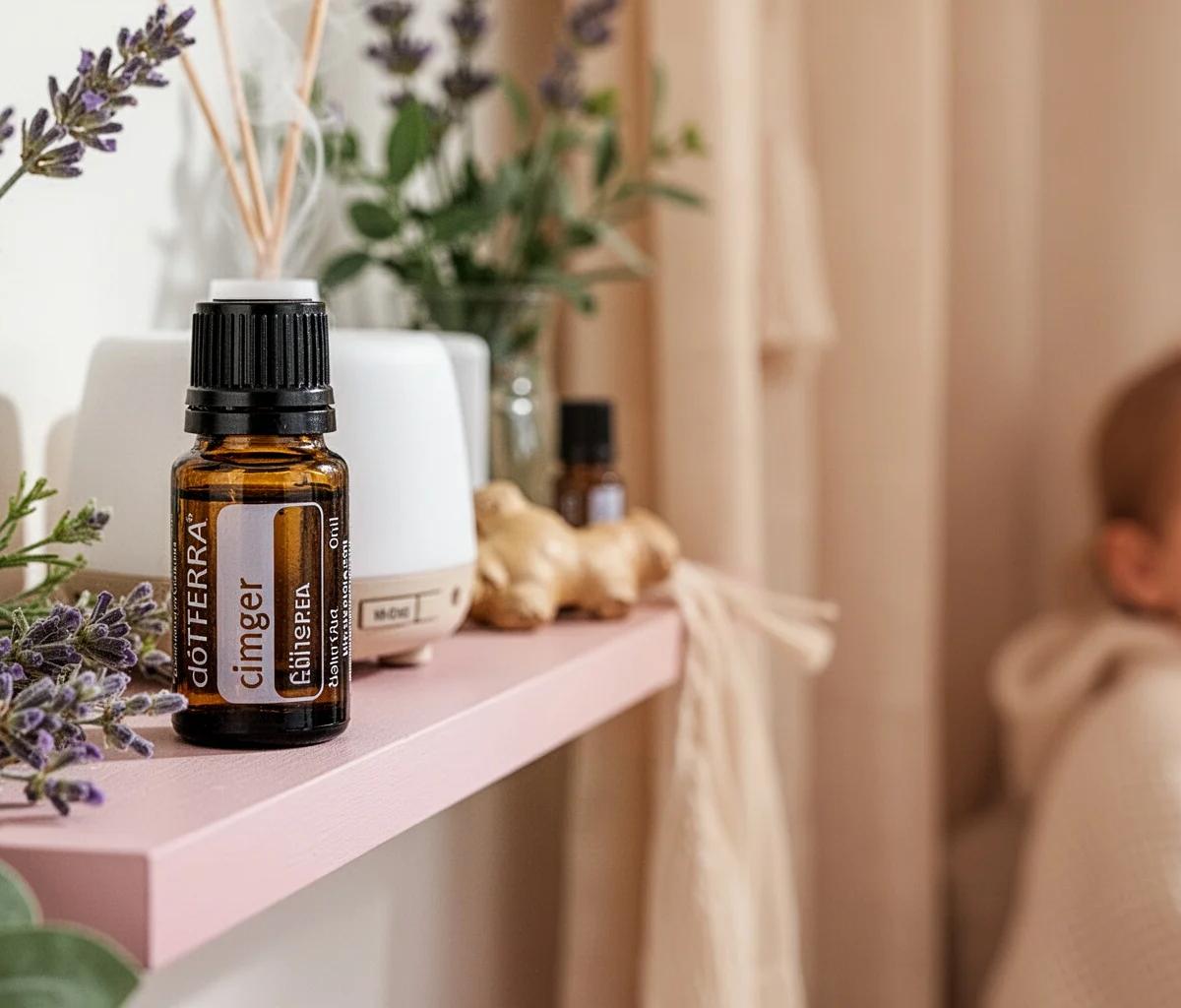
When nausea hit, I did not want complex blends or strong diffuser sessions. I wanted a single gentle scent I could tolerate. Two doTERRA oils became my quiet companions: Ginger, which carries a warm, spicy aroma traditionally appreciated during stomach upset, and Cardamom, with its soft, comforting scent. Both felt manageable when stronger smells sent me running.
I always diluted them generously with a carrier oil and never applied them undiluted to my skin. During pregnancy, your body reacts differently, and what felt fine before may suddenly feel overwhelming. Start small, pay attention to your body, and ask your healthcare provider first.
A Gentle, Cautious Method That Worked for Me
Instead of filling a room with scent, I used a personal aroma inhaler. Here is the simple, step-by-step approach I followed, always after getting the green light from my doctor:
- Open a personal inhaler and place the cotton wick inside a small glass dish.
- Add one small drop of Ginger or Cardamom oil to the wick.
- Use a toothpick to spread the oil evenly across the cotton.
- Insert the wick into the inhaler and snap it closed.
- When nausea rises, uncap the inhaler and take one or two gentle whiffs.
This method keeps the aroma subtle and personal, without filling a shared space or overwhelming your changing senses. What I love most is that you can set it aside the moment you have had enough.
Oils I Kept Well Away From
Pregnancy is not the season to experiment boldly. I gave a wide berth to strong, high-menthol oils like Peppermint and Eucalyptus around my belly and breathing space, and I avoided warming or spicy oils like Cinnamon, Clove, Oregano, and Thyme entirely. Here is how I thought about it:
| Type of Oil | During Pregnancy | Why |
|---|---|---|
| Strong menthol oils (Peppermint, Eucalyptus, Wintergreen) | I avoided them | Felt overpowering; many cautious moms keep them away during these months |
| Hot or spicy oils (Cinnamon, Clove, Oregano, Thyme) | I steered clear | Likely too intense for sensitive skin and shifting preferences |
| Gentle, warm oils (Ginger, Cardamom) | Used sparingly after doctor approval | Soft enough to tolerate, traditionally appreciated for stomach comfort |
Always let your own body and your doctor guide you. A scent someone else loves may be the one you cannot stand right now, and that is completely normal.
Related reading
- Essential Oils for Pregnancy Nausea That Helped Me
- Gentle Essential Oils for Pregnancy Back Pain
- Gentle Essential Oils for the First Trimester
Frequently Asked Questions
Can I diffuse essential oils for morning sickness in a shared room? You can, but I found that smaller, personal methods felt safer and more tolerable. If you diffuse, use an open, well-ventilated space, start with very little oil, and step away the moment the smell bothers you.
Which essential oils should I absolutely avoid when pregnant? I kept strong menthol and spicy oils like Peppermint, Eucalyptus, Wintergreen, Cinnamon, Clove, Oregano, and Thyme off my list. Your body is more sensitive now, so when in doubt, skip it and ask your doctor.
Is it safe to apply diluted Ginger oil on my skin while pregnant? Ginger oil can feel warm on the skin, so dilute it generously in a carrier oil and test a tiny area only if your doctor agrees. I preferred inhaling it because my skin was unpredictable, and that felt like the gentler path for me.
What is the safest way to use essential oils for nausea during pregnancy? For me, it was a personal inhaler with one drop of a gentle oil like Cardamom or Ginger, used only after my midwife gave the okay. No diffusion in closed rooms and absolutely no internal use.
Can smells really help with pregnancy queasiness? They are not a solution for everyone, but I found that a soft, familiar aroma could take the edge off momentarily when nothing else helped. It was one small comfort in a long day.
A Small, Steady Comfort
These gentle scents became a tiny ritual of relief during the toughest weeks, but they were never a substitute for listening to my body and staying close to my doctor. Start with small, cautious steps, choose the mildest aroma you can stand, and trust that you are already doing a beautiful job. What matters most is finding what soothes you today.
Read more about gentle oils and relaxation during pregnancy.
This content is for general information only and is not medical advice. Essential oils are not intended to diagnose, treat, cure, or prevent any disease; always consult a pediatrician before any use involving babies or children.