Safe Essential Oils During Pregnancy
Wondering which essential oils are gentle during pregnancy? Learn what we recommend, what to avoid, and how to use aromatherapy with confidence.
Safe Essential Oils During Pregnancy
By the LittleSynergy Team — moms, Wellness Advocates & doTERRA enthusiasts
You are standing in your bathroom, holding a bottle of lavender and wondering if it is still okay to use now that you are pregnant. If this sounds like you, take a breath. The short answer is that some essential oils can be part of a gentle pregnancy routine, but the decision is personal and should always start with your doctor or midwife. Many moms find comfort in mild, well-known oils like lavender for calm moments or wild orange for a brighter mood, used in small amounts in a diffuser. What matters most is caution, not fear. Avoid oils that are known to be strong or irritating, and keep everything light and airy. We recommend checking with your healthcare provider first, listening to your body, and choosing only high-quality oils you trust. This guide covers the basics without being overwhelming.
Oils We Tend to Reach For
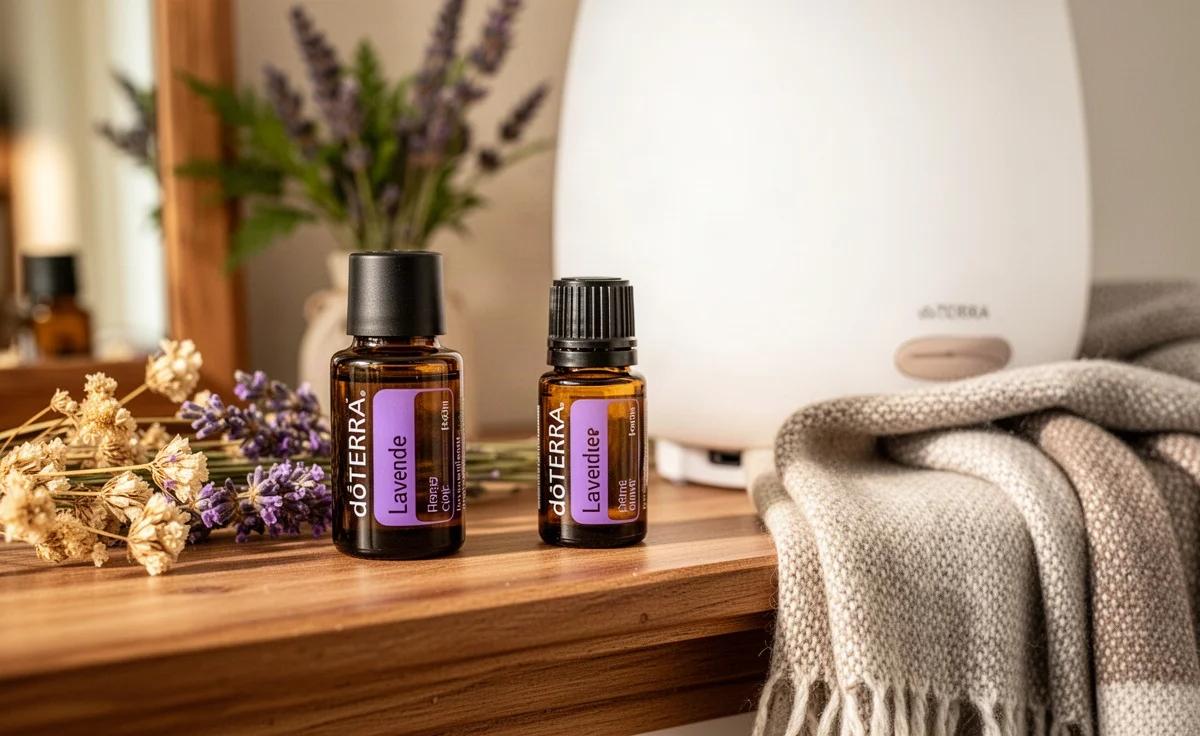
During pregnancy, we prefer oils with a soft, familiar scent. Lavender is a classic for winding down and making the bedroom feel calm. Wild Orange is lovely for adding a bright note to the kitchen in the morning. Roman chamomile is another gentle option many expectant moms enjoy, though we use it sparingly. The idea is not to build a big collection right now. A couple of dependable oils can carry you through the whole pregnancy without clutter.
Oils We Avoid or Use Very Carefully
Some oils are stronger than others and simply are not worth the gamble during these months. We keep the following out of our pregnancy routine: cinnamon, clove, oregano, thyme, wintergreen, and rosemary. Peppermint and eucalyptus are also ones we use with extra caution, and never on the skin. Citrus oils like lemon and bergamot can cause skin sensitivity in the sun, so we avoid applying them before going outside. If you are unsure about any oil, skip it and choose something simpler.
A Simple Pregnancy Routine
Here is how we keep things easy and gentle:
- Start with one oil at a time so you know how you respond.
- Add 2-3 drops to a diffuser in an airy room, never in a closed space.
- Run the diffuser for 30-45 minutes, then turn it off.
- If you want a light scent on your body, dilute most oils to 1% roughly 1 drop in 5 ml of jojoba or fractionated coconut oil, and always patch test first.
- Check with your doctor or midwife before trying anything new.
| Oil | Our Pregnancy Habit | Notes |
|---|---|---|
| Lavender | Diffuse for calm evenings | Soft, familiar, easy to love |
| Wild Orange | Diffuse in the morning | Avoid direct sun on skin |
| Roman Chamomile | Occasional diffusion | Gentle and quiet |
| Peppermint | Use with caution or skip | Best left to later months |
For a deeper look at navigating those first months, we wrote about gentle essential oils for the first trimester.
What "Light and Airy" Actually Looks Like at Home
The phrase “light and airy” sounds nice in theory, but it helps to have concrete reference points. In practice, we aim for a scent you notice only when you walk into the room, not one that lingers on your clothes an hour later. If you can smell the diffuser from another room, you have likely used too much. A good test: start with two drops, leave the room for five minutes, then walk back in. If the scent feels like a soft whisper rather than a wave, you are in the right range. Keep windows cracked open when diffusing, and never run a diffuser in a bedroom while you sleep during the first trimester if morning sickness makes you scent-sensitive. A small desk fan can also help disperse the mist so it never concentrates near your face.
Common Mistakes First-Time Moms Make
One mistake we see often is assuming that because an oil is "natural," it is automatically safe in any amount. This leads to things like applying undiluted lavender to the wrists or adding ten drops to a bath without a carrier. Oils and water do not mix, so undiluted drops in bathwater can sit on the skin's surface and cause irritation. Another error is rotating through many new oils in one week, which makes it impossible to know what triggered a headache or mild nausea. Finally, some women continue using their pre-pregnancy facial serums or roll-ons without re-reading the ingredients, only to discover they contain clary sage, juniper, or other oils that require caution during pregnancy. Always check labels on products you already own, not just the new ones you buy.
Frequently Asked Questions
Can I diffuse essential oils while pregnant?
Many expectant moms do, with light and brief sessions in a ventilated room. Ask your doctor or midwife first.
Which oils should I stay away from during pregnancy?
We avoid strong or hot oils like cinnamon, clove, oregano, thyme, wintergreen, and rosemary. Peppermint and eucalyptus also get extra caution from us.
Is lavender safe during pregnancy?
Lavender is one of the most commonly used oils during pregnancy, usually in a diffuser. Still, every pregnancy is different, so check with your provider.
Can I put essential oils on my skin while pregnant?
Only heavily diluted and never on sun-exposed skin. A 1% dilution is our upper reference for sensitive moments, and even then only after a patch test.
Do I need to stop using oils completely?
No, many women simply adjust how much and which oils they use. The safest approach is fewer oils, lighter amounts, and a quiet conversation with your midwife.
Pregnancy does not have to mean giving up the scents you love. It just means choosing gently, asking the right people, and letting your home smell soft instead of strong.
This content is for general information only and is not medical advice. Essential oils are not intended to diagnose, treat, cure, or prevent any disease; always consult a pediatrician before any use involving babies or children.