Best doTERRA Oils for Teething Babies and Gums
Wondering which doTERRA oils help teething babies? Learn gentle, parent-approved options for gum comfort and cozy routines. A practical guide with clear, honest.
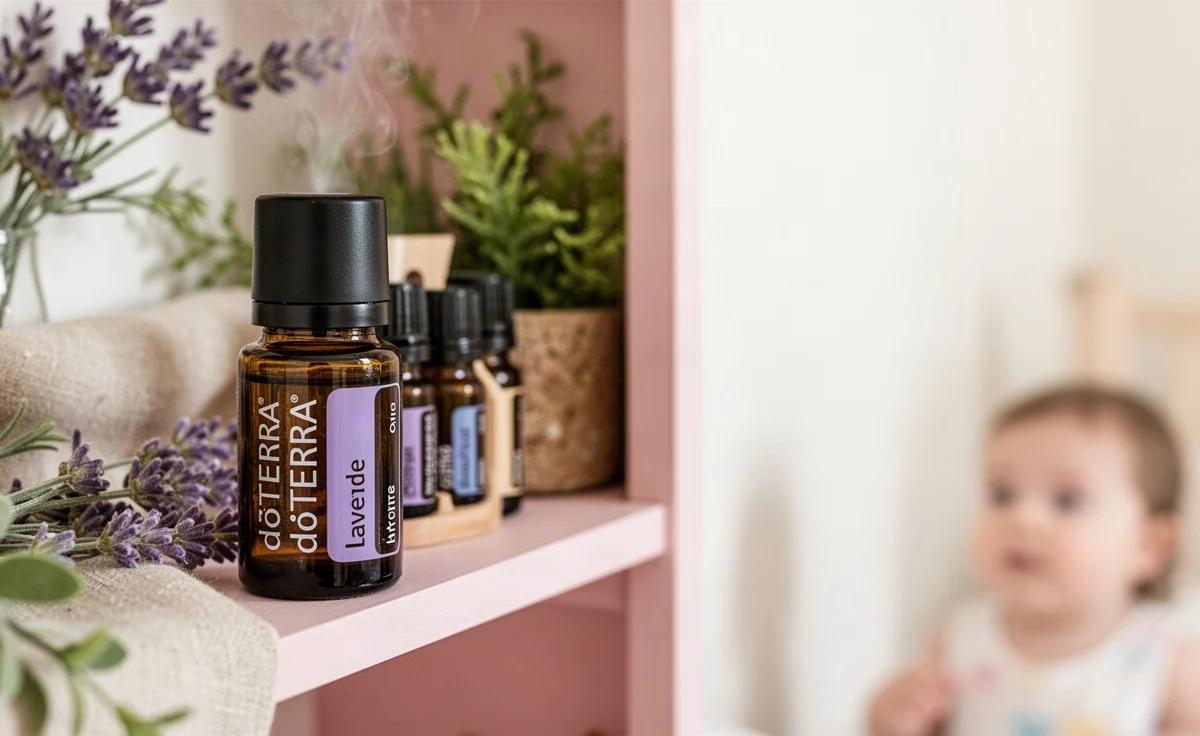
Best doTERRA Oils for Teething Babies and Gums
By the LittleSynergy Team — moms, Wellness Advocates & doTERRA enthusiasts
Your baby is chewing on everything, drooling through three bibs a day, and waking more than usual. If you're reading this, you're probably wondering whether essential oils can help, and the short answer is that most parents find they work best as a gentle comfort ritual, not as a direct treatment for sore gums. doTERRA does not market any oil specifically for teething, and no oil should be applied to a baby's gums. What we recommend most often is a cautious, aroma-focused approach that supports a calmer environment, plus one well-diluted, pediatrician-approved option for older toddlers.
What Most Parents Actually Do
For babies and young children, the safest path is usually diffusion in a shared, well-ventilated space, used briefly and at a distance. Two oils stand out for their soft, reassuring scent:
- Lavender (Lavandula angustifolia, the true lavender with a sweet, gentle profile)
- Roman Chamomile, traditionally associated with calm and comfort
Neither oil treats teething pain. What they can do is help shift the mood of a fussy evening toward something softer.
A Simple Bedtime Diffusion Routine
Follow these steps when you want to create a calmer atmosphere during rough teething days:
- Add 3 drops of Lavender to your diffuser with 100 ml of water.
- Run the diffuser for 30 minutes in a ventilated room, ideally one your child does not sleep in alone during the session.
- For newborns and infants, let the room air out and bring your child in only after the diffuser is off.
- Keep the diffuser out of reach and never place it near the crib.
- Before using any oil on or around your child, check with your pediatrician and follow doTERRA's official age guidance on the product label.
Oils to Keep Away From Young Children
| Oil | Why It Is Best Avoided Around Little Ones |
|---|---|
| Peppermint | High menthol content, not for young children, even diffused in a nursery |
| Eucalyptus | Rich in 1,8-cineole, traditionally kept away from small children's faces |
| Wintergreen | Strong, menthol-rich profile, never for babies or toddlers |
| Cinnamon, Clove, Oregano | Potentially irritating "hot" oils, never on children's skin |
These oils may appear in blends for adult use, but in a teething context they have no place near a baby.
What About Topical Comfort?
Under the age of two years, doTERRA's guidance and most pediatricians recommend avoiding essential oils on a baby's skin altogether. For toddlers, if your pediatrician approves, a carefully diluted Lavender blend in a carrier oil like fractionated coconut oil can be used for a leg or back massage, away from the face and hands. We do not recommend applying any essential oil to the gums, ever. A chilled washcloth, clean teething rings, and extra cuddles are still the most reliable comfort tools. For more context on how parents approach this gently, see our guide to essential oils and teething babies.
Common Mistakes Parents Make During Teething Nights
The desire to “do something” can lead well-meaning parents into habits that actually make things worse. One of the most frequent mistakes we see is over-diffusing: leaving the diffuser running for an hour or more in a small nursery, which can overload a baby’s sensitive airways even with a gentle oil like Lavender. Another is placing the diffuser on a dresser next to the crib, where mist falls directly on bedding. A third mistake is assuming that because an oil is “natural” it is automatically mild — Roman Chamomile may be floral and soft, but it still contains potent plant compounds that deserve respect. Finally, some parents apply diluted oil to a teething necklace or fabric tied to the crib, which violates the “distance and ventilation” rule and puts oils too close to the mouth and nose.
A Practical Comfort Checklist for Teething Days
Before you reach for a diffuser, run through this quick list to make sure the basics are covered. First, offer a chilled (not frozen) silicone teething ring or a clean, damp washcloth that has been in the fridge for ten minutes. Second, wipe excess drool often with a soft cloth to prevent chin and cheek rash, and consider a thin barrier balm made of plain coconut oil or a baby-safe moisturizer. Third, adjust the sleep environment: a slightly cooler room, white noise, and consistent nap timing often reduce overall fussiness more than any scent. Fourth, if you decide to diffuse Lavender, do it in the living room during the late afternoon rather than the bedroom at 2 a.m., so the scent is subtle and the baby does not associate a strong smell with sleep. Finally, write down which oil, how many drops, and how long you diffused, plus your baby’s reaction, so you can spot patterns and discuss them with your pediatrician at the next visit.
Frequently Asked Questions
Can I put doTERRA oils directly on my baby's gums? No. Essential oils are not formulated for gum application, especially in babies and toddlers. This can cause irritation and is never recommended.
Which doTERRA oil is best for teething? There is no oil marketed or approved for teething specifically. Parents most often use Lavender or Roman Chamomile in a diffuser to create a calmer atmosphere.
Is Lavender safe for teething babies? Lavender is generally considered gentle, but not on a baby's skin or gums. Diffusion in a ventilated room, kept brief and at a distance, is the approach most parents describe.
Can I use Peppermint around a teething baby? No. Peppermint's menthol content makes it unsuitable around very young children, especially in a nursery or bedroom. Keep it out of shared spaces where a baby sleeps.
When should I ask the pediatrician first? Always, before introducing any essential oil around a baby or toddler. This is especially true for children with respiratory sensitivities or when you are unsure about age guidance.
Teething is a season, not a problem to solve. A warm bath, a soft diffuser running in another corner of the house, and your calm presence do more than any bottle ever could.
This content is for general information only and is not medical advice. Essential oils are not intended to diagnose, treat, cure, or prevent any disease; always consult a pediatrician before any use involving babies or children.