Calming Essential Oils for Kids Diffuser
Gentle diffuser oils to help kids wind down. Simple blends, safe habits, and what we reach for when the evening gets loud and busy. A practical guide with.
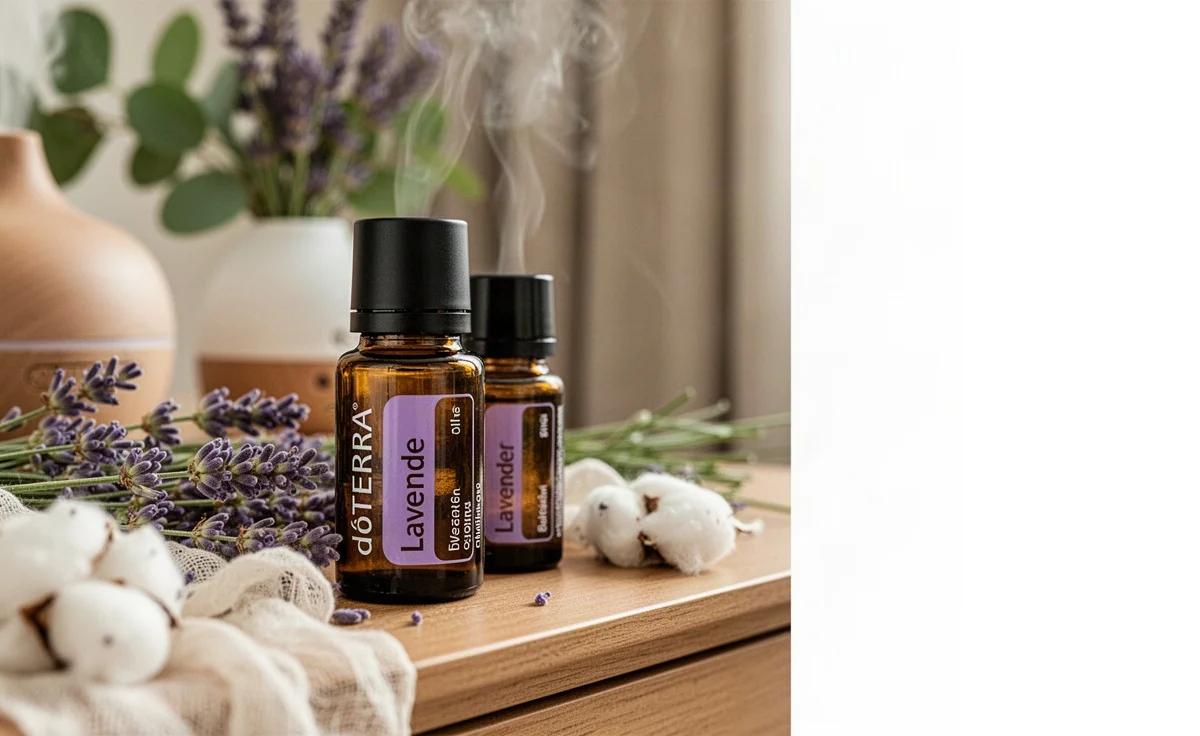
Calming Essential Oils for Kids Diffuser
By the LittleSynergy Team — moms, Wellness Advocates & doTERRA enthusiasts
You know that moment when the house finally gets quiet, except it really does not, because someone is still bouncing off the couch. If you are wondering whether a diffuser can actually help, the short answer is yes, in a gentle way. Many parents diffuse calming oils like Lavender or Roman Chamomile in the living room or bedroom about thirty minutes before bedtime. The aroma fills a shared space softly, and the ritual itself becomes the real signal: lights go low, voices drop, and the day starts to close. It is not a medical fix for sleep problems, and every child is different, so we always suggest checking with your pediatrician and following doTERRA's label guidance before using any oil around kids.
What We Actually Diffuse
Over time, we have come to appreciate simple, soft single oils because there is less to think about on a chaotic evening.
- Lavender: the classic evening oil. Soft, floral, easy on the senses, and the one most families start with.
- Roman Chamomile: delicate and sweet. A nice choice if lavender feels too strong for you.
- Cedarwood: warm, woody, and grounding. It adds a sense of quiet without being sleepy or heavy.
We keep the amount small. Two or three drops in the diffuser is plenty for a child's room, and we run it for about thirty minutes before bed, then switch it off. Continuous diffusion saturates the air and stops adding anything useful.
A Simple Evening Routine
The oil is only part of what works. The repetition matters more than the scent itself.
- Start early: turn on the diffuser about thirty to forty-five minutes before the actual bedtime routine begins.
- Lower the lights and the volume: screens off, voices soft, toys put away.
- Use a consistent scent: same oil, same room, same general time every night. The brain starts associating that smell with winding down.
- Air the room: a quick window opening during the day keeps the space fresh, and we never leave the diffuser running all night.
- Keep the bottle out of reach: we store every oil high up and away from curious hands, always.
Gentle Oils Compared
| Oil | Aroma | Why Families Like It |
|---|---|---|
| Lavender | Soft, floral | Familiar, easy to find, calming |
| Roman Chamomile | Delicate, sweet | Gentle, works well for sensitive noses |
| Cedarwood | Warm, woody | Grounding, adds a cozy evening feel |
| Vetiver | Deep, earthy | Rich, anchoring, often used in tiny amounts |
We do not diffuse Peppermint, Eucalyptus, or Rosemary around young children. Those are strong, menthol-rich oils best kept for adult, well-ventilated spaces. For a more detailed nightly blend, we covered a few favorites in our guide to calming diffuser blends for kids bedroom.
Choosing the Right Diffuser for a Child's Room
Not every diffuser is suited to a child's space. Look for a cool-mist or ultrasonic model that runs quietly and has an automatic shut-off when the water runs low. Some units include a soft, dim light, which can be a lovely bedtime companion, but avoid models with bright blue LEDs or loud beeping controls, since those can pull a child's attention back up just when you want it to settle. A short, thirty-minute run setting is ideal, and if the diffuser only has continuous mode, use a timer plug so the aroma does not saturate the room. Clean the water tank every two or three days with a gentle wipe, because old water can develop a stale smell that competes with the oil and defeats the purpose.
Common Mistakes Parents Make with Kids and Diffusers
The biggest mistake is using too much oil or running the diffuser for too long. Strong scent does not equal better calming; for a small room, two drops are often enough, and more can cause headaches or mild nausea. Another common error is placing the diffuser too close to the bed or crib. Keep it on a high shelf or dresser, at least a few feet away from the child's head, and out of reach of little hands. Parents also sometimes rotate oils too quickly, hoping to find the perfect one. In practice, a single consistent scent works better because the brain builds a strong wind-down cue. Finally, do not rely on the diffuser alone. If the room still has screens, bright lights, or late-night noise, the oil becomes background noise rather than a calming tool.
Frequently Asked Questions
Can I diffuse essential oils in my child's bedroom?
Many parents do, but we recommend using a small amount, running the diffuser for a short time before bed, and asking your pediatrician first. Every child and home is different.
Which oil is best for a calm evening?
Lavender is the one most families try first because it is soft and familiar. Roman Chamomile is a lovely alternative if lavender feels too strong.
Should the diffuser run all night?
We do not recommend it. About thirty minutes before bedtime is enough to fill the room with scent, and continuous use saturates the air.
Are there oils to avoid around kids?
Yes. Strong, menthol-rich oils like Peppermint, Eucalyptus, and Rosemary are best kept away from young children, and we never use hot oils like Cinnamon or Clove on their skin.
Do calming oils guarantee my child will sleep?
No oil can promise that. What helps most families is the consistent, low-key routine: same scent, same time, same quiet atmosphere.
A Gentle Wrap-Up
A diffuser will not wave a magic wand over bedtime, but it can become one small, pleasant part of the evening. Keep it simple, keep it consistent, and let the routine do most of the work.
This content is for general information only and is not medical advice. Essential oils are not intended to diagnose, treat, cure, or prevent any disease; always consult a pediatrician before any use involving babies or children.