Safe Essential Oils for Kids Room Diffuser Sleep
Wondering which oils are gentle enough for a child's bedroom diffuser overnight? A mom shares cautious, practical favorites and safety basics.
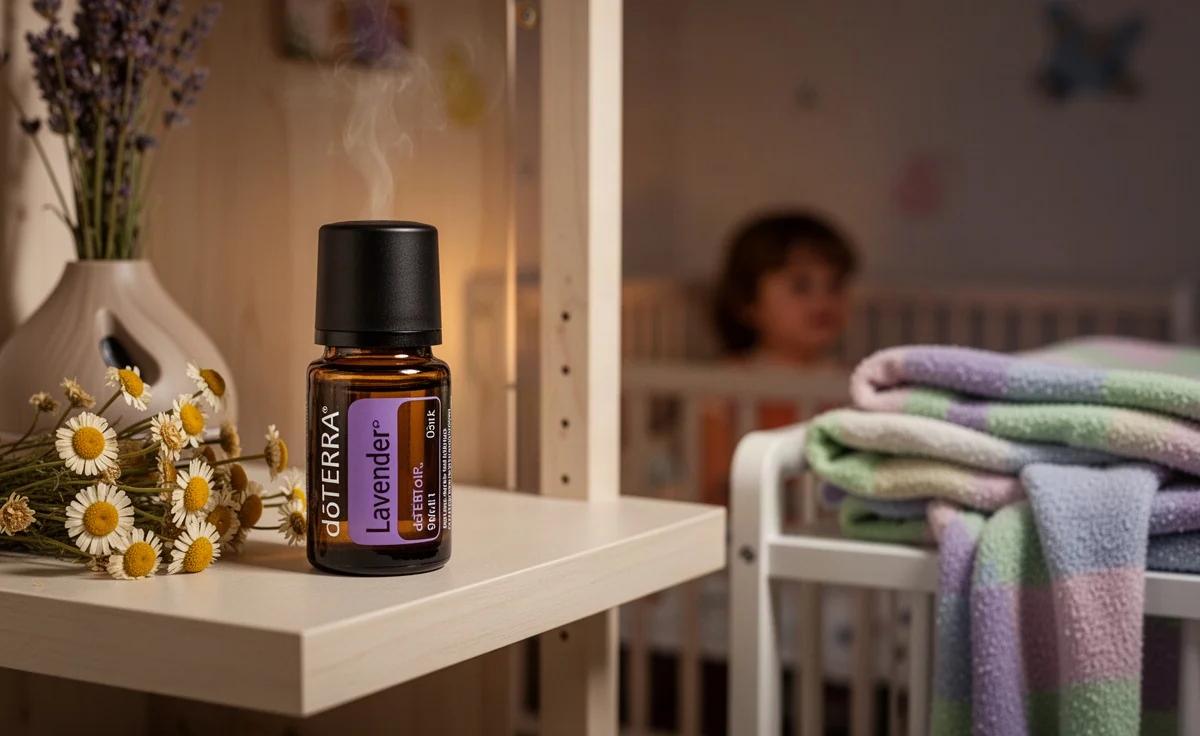
Safe Essential Oils for Kids Room Diffuser Sleep
By the LittleSynergy Team — moms, Wellness Advocates & doTERRA enthusiasts
If bedtime in your house starts with one more glass of water and ends with a child suddenly remembering a very important question, you’ve probably wondered whether a diffuser could help everyone settle down. The short answer is that many parents use a few gentle, well-known oils in a child’s room before sleep, but not every oil belongs there. What we recommend most often is simple: choose soft, calming single oils like Lavender or gentle blends, use very little, diffuse before bedtime rather than all night, and always check with your pediatrician first. For shared spaces where children sleep, we lean toward diffusing for short periods and then turning the machine off once the room is ready.
Why the Oil You Choose Matters More Than the Diffuser
The room a child sleeps in is a small, enclosed space, and their bodies are not just smaller versions of ours. That means the oil you would happily diffuse in your own room is not automatically the right choice for theirs. Some oils carry strong, intense aromas that can feel overwhelming in a child’s bedroom, even when an adult finds them pleasant or refreshing.
In our experience, the safest starting point is to favor oils with a soft, familiar scent rather than anything sharp, medicinal, or spicy. Gentle floral, woodsy, and softly citrus notes tend to be the easiest to live with in a bedtime setting. It is also wise to avoid oils that are traditionally kept away from young children, especially those with a strong camphor-like or minty character.
Gentle Diffuser Options for a Kid's Room
When we put together a child-friendly bedtime list, we keep it short and predictable. These are the ones we reach for most:
| Oil | Aroma | Why We Like It for Bedtime |
|---|---|---|
| Lavender | Soft, floral, sweet | The classic calming favorite, familiar and gentle |
| Roman Chamomile | Warm, apple-like, soft | Milder than lavender for sensitive noses |
| Cedarwood | Woody, grounding, quiet | Feels steady and cozy in the evening |
| Serenity | Soft floral blend | A ready-made relaxing blend for unwinding |
A gentle reminder: if a scent makes you wrinkle your nose, your child probably feels it more strongly. Start with less, and let the room tell you if it is enough.
A Simple, Cautious Bedtime Diffusing Routine
Here is the rhythm that feels most comfortable in the family homes we know:
- Open the bedroom window for a few minutes before starting the diffuser.
- Add a small number of drops to fresh water for a child's room, always less than you would use for an adult.
- Turn the diffuser on about 30 to 45 minutes before bedtime.
- Turn it off when your child gets into bed, or set a timer so the room does not stay saturated all night.
- Place the diffuser up high, out of reach, and never directly beside the bed.
If your child is very young, talk with your pediatrician before diffusing anything in their sleeping space. Oils like Peppermint and Eucalyptus are best avoided around the very young, even in a diffuser, because their strong aromatic profiles are not a good fit for a closed bedroom. Keep all oils stored out of reach, with the cap tight.
For a deeper look at creating a calm evening, we have a fuller guide on gentle essential oils for kids sleep.
Common Mistakes That Make a Kid’s Room Diffuser Feel “Off”
One of the biggest mistakes we see is assuming that more drops equals more sleep. In a child’s room, the opposite is usually true. A heavy, lingering cloud of even a gentle oil like lavender can become cloying by midnight, and a child may wake up irritable without anyone realizing the scent is part of the problem. It is better to use two or three drops and notice how the room feels after ten minutes than to start with five or six and hope for the best.
Another frequent misstep is placing the diffuser on a bedside table or shelf near the pillow. The mist then falls directly around the child’s face, which can feel wet, strong, or distracting even if the oil itself is a soft one. Placing the diffuser across the room, on a dresser or a high shelf, lets the scent drift gently rather than settle in one spot. We also recommend cleaning the water tank regularly, because yesterday’s leftover oil and water can quickly develop a stale, musty note that ruins the bedtime mood.
A less obvious mistake involves timing. Turning on the diffuser right at lights-out means the strongest burst of scent arrives exactly when a child is trying to settle. That first rush can be more stimulating than calming, even with a relaxing oil. Starting the diffuser earlier, while teeth are being brushed and pajamas are going on, gives the aroma time to soften and spread before the room goes dark.
Quick Reference: One Oil, Three Different Ways to Use It
Parents often ask whether the same bedtime oil can be used for more than just the diffuser. The simple answer is yes, but the preparation needs to change depending on how it is applied. Below are three approaches we have seen work well for families who want to keep one gentle oil, such as lavender or Roman chamomile, as the mainstay of the evening routine.
1. Pre-bedtime diffusion Use one to three drops in a water-based diffuser and run it for 30 minutes before sleep. Turn it off when the child gets into bed. This keeps the scent light and prevents the room from becoming saturated overnight.
2. A diluted linen spray Mix two to three drops of the oil with one cup of distilled water and a small teaspoon of unscented witch hazel in a clean glass spray bottle. Shake well and lightly mist the foot of the bed or a favorite blanket about 15 minutes before bedtime. Avoid spraying anywhere near the child’s face or pillow. Always label the bottle and store it out of reach.
3. A parent-assisted comfort rub Add one drop of the oil to a generous amount of unscented, kid-friendly lotion or carrier oil. Rub it on the soles of the feet or the back of the hands, never on the face or chest. This works well for older children who enjoy a little foot massage as part of the wind-down. Check with your pediatrician before trying this with a very young child.
One caution that carries across all three methods: do not use the diffuser and the spray and the rub on the same night. Layering too many paths of exposure in a small bedroom can quickly become more than a child needs. Pick one method, see how your child responds for a few nights, and keep the rest simple.
Frequently Asked Questions
Can I use any essential oil in my child's bedroom?
No. Strong, sharp, or intensely minty oils can feel overwhelming in a child's sleeping space. Start with soft, familiar options and always ask your pediatrician first.
How long should I run the diffuser in a kid's room?
Many parents run it for 30 to 45 minutes before bedtime and then turn it off. This keeps the room lightly scented without saturating the air all night.
Is lavender safe to diffuse in a child's room?
Many families use lavender in small amounts before bedtime. It is a gentle, widely enjoyed scent, but it is still wise to check with your pediatrician and watch how your child responds.
Should the diffuser stay on all night while my child sleeps?
It is generally better to diffuse before sleep and then switch the machine off. A softly scented room is usually enough, and continuous diffusion rarely adds much to bedtime comfort.
What should I avoid in a child's bedroom diffuser?
Avoid strong or intense oils such as peppermint and eucalyptus around very young children. Keep any diffuser high and out of reach, and never place it directly next to the bed.
A calm bedtime starts with the atmosphere you build, and a diffuser can be one small part of that ritual. Choose gentle scents, diffuse sparingly, and let your family's own comfort, plus your pediatrician's guidance, shape what works at home.
This content is for general information only and is not medical advice. Essential oils are not intended to diagnose, treat, cure, or prevent any disease; always consult a pediatrician before any use involving babies or children.