Gentle doTERRA Diffuser Recipes for a Nursery
Simple doTERRA diffuser blends for a calm nursery. Learn which oils to choose, how to diffuse safely, and recipes parents often use at home.
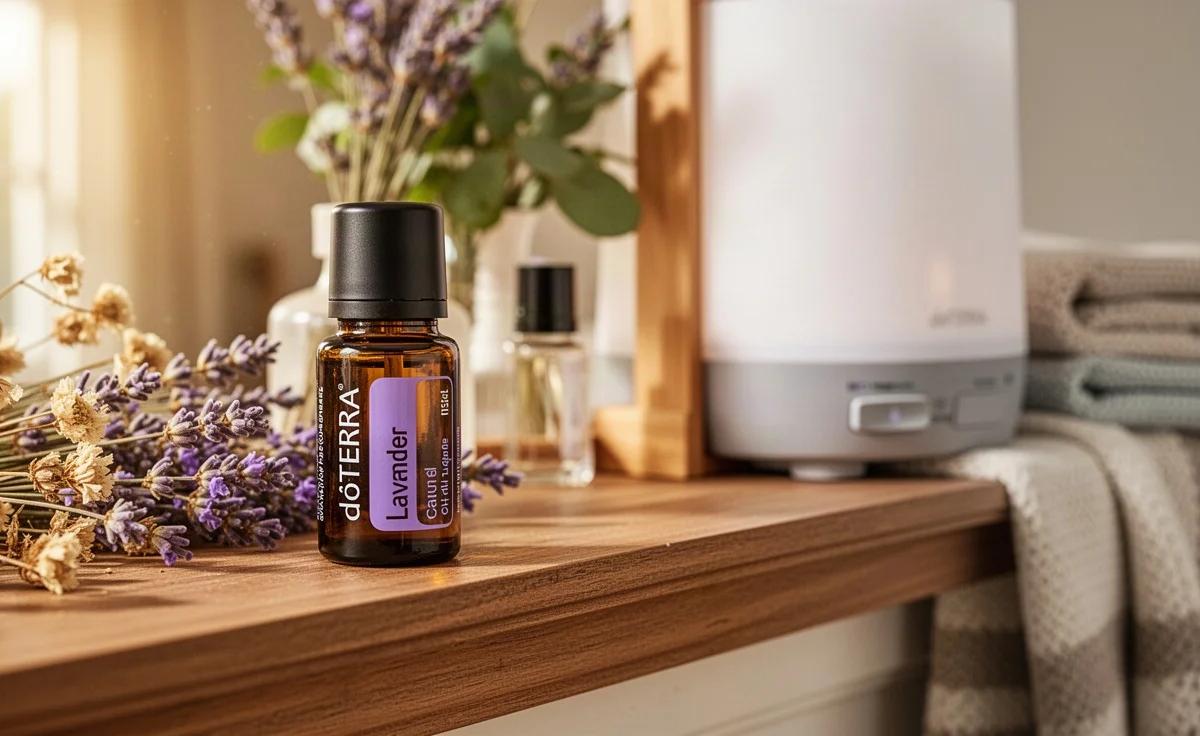
Gentle doTERRA Diffuser Recipes for a Nursery
By the LittleSynergy Team — moms, Wellness Advocates & doTERRA enthusiasts
You have just gotten the baby to sleep and you are tiptoeing out of the room, wondering if the air could feel a little softer and sweeter. A diffuser can help create that calm, welcoming atmosphere many parents want in a nursery. The key is to keep it simple, use gentle oils, and always follow doTERRA's official age guidance and your pediatrician's advice. Below are a few diffuser blends we reach for, along with the safety basics every parent should know.
Choosing the Right Oils
Not every oil belongs in a baby's room. We prefer soft, floral, or lightly sweet aromas over strong, menthol-heavy ones. Some of our favorite gentle options include:
- Lavender, Lavender has a soft, floral scent many parents associate with a peaceful home
- Roman Chamomile, Roman Chamomile is sweet and apple-like, traditionally used for its soothing aroma
- Balance, Balance brings a warm, woodsy, grounding scent that fills a room gently
- Wild Orange, Wild Orange is bright and cheerful, best used in tiny amounts and never on skin exposed to sunlight
Oils like Peppermint, Eucalyptus, Rosemary, and Wintergreen are rich in menthol or 1,8-cineole and are best kept away from young children. Cinnamon, Clove, Oregano, and Thyme are strong and not appropriate for a nursery. Name them, skip them, and ask your pediatrician if you are unsure.
Simple Diffuser Recipes
1. Soft and Sleepy
| Oil | Drops per 100 ml water |
|---|---|
| Lavender | 2 |
| Roman Chamomile | 1 |
This is our quiet-evening blend. It is gentle, floral, and never overpowers the room.
2. Warm and Cozy
| Oil | Drops per 100 ml water |
|---|---|
| Balance | 2 |
| Lavender | 1 |
We like this one when the house feels busy and the nursery needs a soft reset.
3. Bright Morning Air
| Oil | Drops per 100 ml water |
|---|---|
| Wild Orange | 2 |
| Lavender | 1 |
Better for daytime use in a well-ventilated shared space, not a closed bedroom.
How to Diffuse Safely Step by Step
- Ask first. Check with your pediatrician before diffusing anything around a baby or young child
- Choose the room. Prefer a shared, well-ventilated space over a closed nursery
- Start small. Use no more than 3 drops total per 100 ml of water
- Keep sessions short. Around 30 minutes is plenty, then let the room air out
- Stay nearby. Never leave a diffuser running unattended, and keep it out of reach of children
For deeper guidance on safely using oils around little ones, read our article on how to use doTERRA oils around babies safely.
Common Mistakes Parents Make in the Nursery
The biggest mistake we see is treating a nursery diffuser like an adult diffuser. Moms often reuse the same 6–8 drop counts they enjoy in the living room, but a baby’s smaller body and faster breathing rate mean the same concentration hits much harder. Another common misstep is placing the diffuser directly next to the crib. Even a gentle mist can become intense when it is only 12 inches from a sleeping baby’s face. Instead, put the diffuser on a high shelf or dresser across the room, at least 4–6 feet away from the crib, and point the mist toward the center of the room rather than the sleeping area. We also notice parents leave the diffuser running through an entire nap cycle. A 30-minute session creates a soft scent that lingers, but a 90-minute continuous run turns the same recipe into an overpowering cloud. Finally, do not forget the water. Stale water from yesterday’s session can grow bacteria and release an unpleasant smell that defeats the whole purpose. Empty the reservoir, wipe it dry, and refill with fresh water each time.
Better Times to Diffuse Than Sleep Time
Many parents assume the only moment to diffuse is right before bed, but timing the session around the room rather than the sleep can be far more effective. Try diffusing 20–30 minutes before you bring the baby into the nursery, then turn the diffuser off once the room holds a soft, lingering scent. The air feels calm, but the baby is not breathing a direct stream of mist. You can also use the Bright Morning Air blend during a diaper change or feeding in an adjacent room, not the nursery itself. If the nursery is also used for tummy time or a midday feed, a short 15-minute session of Lavender and Roman Chamomile while the baby is awake and supervised can associate that scent with calm daytime moments rather than only bedtime. This approach keeps the nursery from becoming a saturated, endlessly fragranced space and gives the oils a specific, purposeful moment instead of background noise. Always air the room out after a session so the next nap starts with fresh, not recycled, air.
Related reading
Frequently Asked Questions
Can I diffuse oils in a newborn's room? Newborns are especially sensitive, so we do not recommend diffusing around them without a clear pediatrician's recommendation. Even then, keep the amount tiny and the room well ventilated.
How many drops should I use in a nursery diffuser? For babies and young children, we keep total drops at 3 per 100 ml of water, often less. Follow doTERRA's official age guidance on the product label and your pediatrician's advice.
Which oils should I avoid near a baby? Avoid strong, menthol-rich oils like Peppermint, Eucalyptus, Rosemary, and Wintergreen, along with hot oils like Cinnamon, Clove, Oregano, and Thyme. Always ask your pediatrician before trying something new.
Can I diffuse citrus oils in a nursery? Gentle citrus oils like Wild Orange can be used in very small amounts in a shared, ventilated space. They are phototoxic, so never apply them to skin that will see sunlight.
How long should I run a diffuser in a baby's room? We keep nursery sessions around 30 minutes, then open a window or door. Continuous diffusion saturates the air and adds nothing helpful.
Creating a calm nursery with essential oils can be gentle and enjoyable when you choose soft aromas, diffuse in moderation, and keep your pediatrician in the loop. A little lavender and a bit of fresh air often do more than we expect.
This content is for general information only and is not medical advice. Essential oils are not intended to diagnose, treat, cure, or prevent any disease; always consult a pediatrician before any use involving babies or children.