Safe Essential Oil Diffuser Blends for Baby Nursery
Discover gentle, cautious diffuser blends for a baby nursery, which oils to avoid, and simple routines parents love for a calm, cozy space. A practical guide.
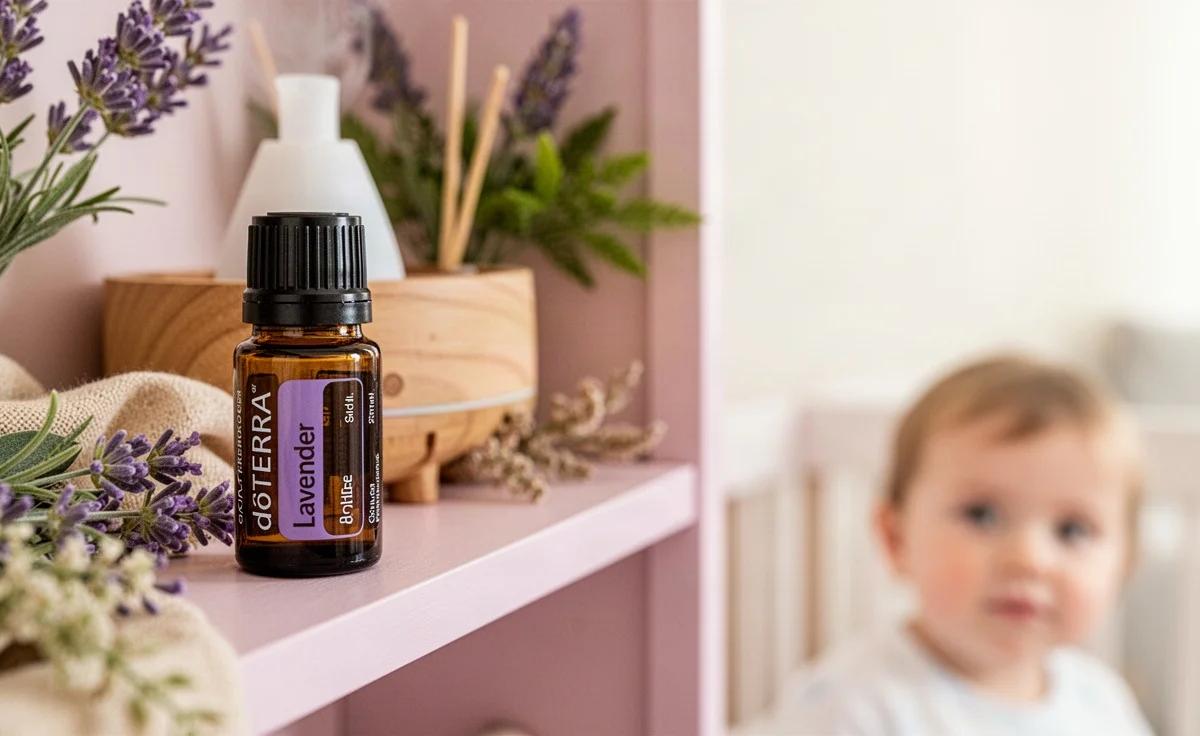
Safe Essential Oil Diffuser Blends for Baby Nursery
By the LittleSynergy Team — moms, Wellness Advocates & doTERRA enthusiasts
If you have ever stood in front of a diffuser holding three bottles and wondering what is actually okay for the nursery, you are not alone. The short answer is that the safest approach is to diffuse small amounts of very gentle oils in a well-ventilated shared space, never in a closed nursery with a sleeping baby, and always after checking with your pediatrician and reading the product label. Many parents find that the calmest nurseries start with one simple oil, not a complicated recipe.
The Quiet Power of One Gentle Oil
When we talk about nursery blends, the most reassuring starting point is often a single oil used sparingly. Lavender is a classic choice for creating a soft, floral atmosphere, and it tends to be the oil parents reach for when they want the room to feel settled without adding much aroma. Another favorite is Roman Chamomile, which has a mellow, apple-like scent that feels gentle and unhurried. What we recommend most often is to begin with one of these, diffuse for a short session before bedtime, and let the room air out before the baby comes in.
The key discipline is restraint. A nursery is not the place for layered, complex blends that compete for attention. One oil, a short diffusion window, and an open door make a routine that is easy to repeat and easy to adjust.
Gentle Blends Worth Trying
If you do want to combine two oils, keep the total amount small and choose oils with soft profiles. These simple combinations are popular with parents who want a little more depth without adding intensity.
| Blend | Oils | Character |
|---|---|---|
| Soft Calm | Lavender + Roman Chamomile | Floral, mellow, settling |
| Airy Fresh | Lavender + Lemon | Light, bright, gently clean |
| Grounded | Lavender + Frankincense | Warm, quiet, softly resinous |
For the citrus option, remember that this is about diffusing in the air, not applying anything to skin. A short session in a shared space keeps things simple. If you want more ideas, our guide to Gentle doTERRA Diffuser Recipes for a Nursery walks through the process in detail.
How We Set Up a Nursery Diffuser
A safe nursery diffusion routine is mostly about habits, not recipes. Here is the step-by-step order we follow.
- Open the door and a window before starting the diffuser.
- Add water to the diffuser and use a very small amount of oil, far less than for an adult.
- Run the diffuser for about 30 minutes while the baby is not in the room.
- Turn it off, let the air settle, and only then bring the baby in.
- Store the diffuser and oils out of reach, ideally in a closed cabinet.
We also keep Diffusing Essential Oils in a Baby Nursery Safely bookmarked because it covers the mistakes parents make most often, like diffusing too long or in a closed room.
Oils We Keep Away From the Nursery
Some oils are wonderful for adults but do not belong around very young children. Peppermint, Eucalyptus, Rosemary, and Wintergreen are best kept for other rooms and other moments. The same goes for hot oils like Cinnamon, Clove, Oregano, and Thyme, and for heavy blends built on them. These are not bad products, but the nursery is not their place. Always defer to your pediatrician and doTERRA's official age guidance on the label.
Timing the Diffuser Around Your Baby’s Actual Routine
One of the most overlooked details is not what you diffuse but when. Diffusing at 7 p.m. because that feels like “wind-down time” matters little if your baby actually goes down at 8:30 and the scent has already faded. Instead, tie the diffuser to a concrete cue in your routine, such as right after the last diaper change or during the final feeding in the living room. Run the diffuser in the nursery while you are finishing that feeding elsewhere, then turn it off before you walk in for the crib transfer. This way the room carries a faint, settled scent without the machine ever running in your baby’s presence. Keep a small notecard on the changing table with your chosen oil and drop count so the 2 a.m. parent-brain never has to guess.
Recognizing When a Blend Is Not Working
Even gentle oils can occasionally feel like too much in a small nursery, and babies cannot tell you with words. Watch for restlessness, rubbing at the nose or eyes, fussiness that spikes shortly after you bring them into a diffused room, or any change in breathing rhythm. These are signs that a blend, no matter how mild on paper, is not agreeing with your child. The fix is immediate and non-dramatic: open the window wider, move the baby to another room, and skip the diffuser the next night. If you want to try again later, cut the drop count in half or diffuse for only fifteen minutes. Parents sometimes blame the oil when the real issue was the duration or proximity, so make one adjustment at a time and observe.
Related reading
Frequently Asked Questions
Can I diffuse essential oils in a closed nursery?
No. Keep the door open or air the room out after diffusing, and never run the diffuser in a closed room with a baby inside.
Is Lavender safe to diffuse around babies?
Lavender is one of the gentler oils many parents choose, but check with your pediatrician first and follow doTERRA's label guidance rather than treating it as automatically safe.
How long should I diffuse in a nursery?
A short session of about 30 minutes in a ventilated room is a common approach, and the baby should not be in the room while the diffuser runs.
Should I apply oils to my baby's skin?
No. For the youngest children, skip topical use unless your pediatrician has given specific guidance.
What oils should I avoid near babies?
Keep Peppermint, Eucalyptus, Rosemary, Wintergreen, Cinnamon, Clove, Oregano, and Thyme away from the nursery.
A calm nursery comes from simple habits, a little fresh air, and one gentle scent at a time. When in doubt, less is always more, and your pediatrician is the best guide for your child.
This content is for general information only and is not medical advice. Essential oils are not intended to diagnose, treat, cure, or prevent any disease; always consult a pediatrician before any use involving babies or children.