How to Make a doTERRA Kids Sleep Roller Bottle Recipe
Learn how to make a gentle doTERRA kids sleep roller bottle recipe for calming bedtime routines, with simple steps, safety tips, and soothing oil ideas.
How to Make a doTERRA Kids Sleep Roller Bottle Recipe
By the LittleSynergy Team — moms, Wellness Advocates & doTERRA enthusiasts
You know that moment when the bedtime story is done, the lights are low, and your little one is still wiggling like a happy earthworm? That is exactly when a simple, calming ritual can gently shift the energy of the room. The direct answer is that making a doTERRA kids sleep roller bottle is easy: you only need a small roller bottle, a carrier oil, and one or two gentle doTERRA oils. Dilute generously with a carrier oil, keep the amount sparing, and ask your pediatrician before using any essential oil on or around your child. This simple blend becomes part of a cozy bedtime routine, not a quick fix.
Choosing Gentle Oils for Sleep
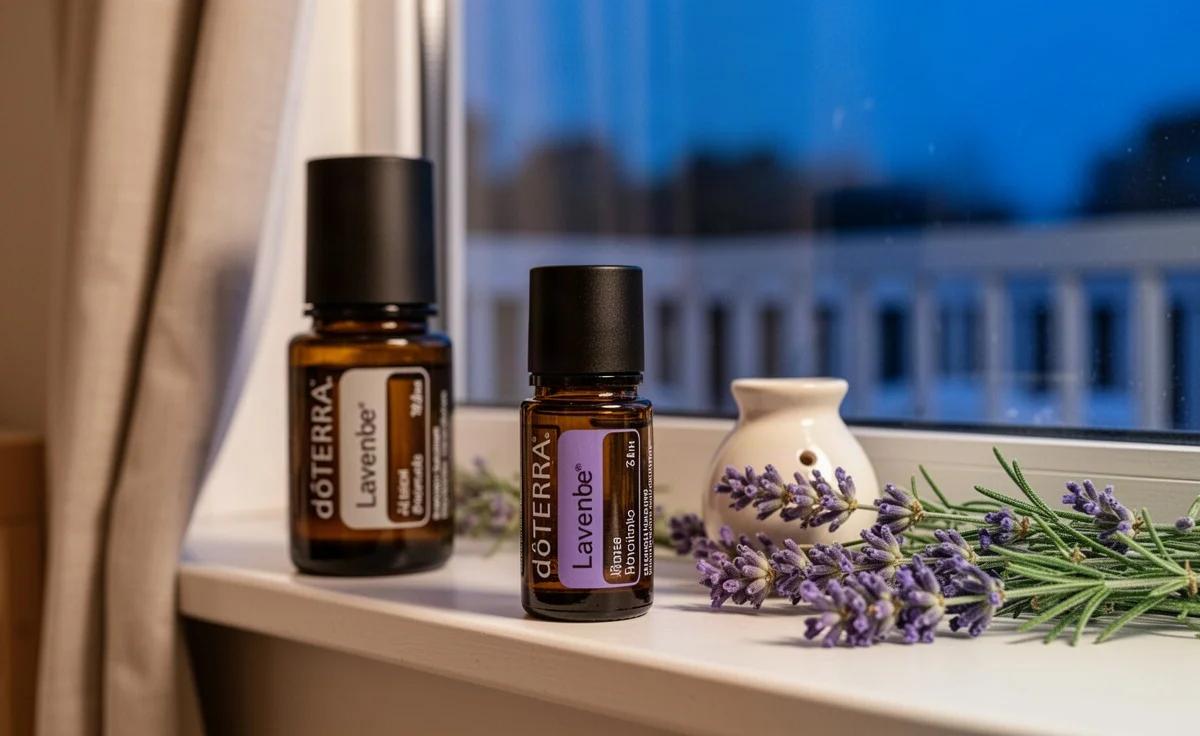
Not every oil belongs in a child's bedtime roller. We prefer soft, comforting aromas that many parents find soothing in the evening. Lavender is the classic choice, sweet and calming without being overpowering. Roman Chamomile offers a delicate, apple-like warmth that feels especially gentle. For a grounding option, Cedarwood brings a woodsy softness many families enjoy at night.
| Oil | Aroma | Bedtime Character |
|---|---|---|
| Lavender | Floral, sweet | Soft and familiar |
| Roman Chamomile | Apple-like, warm | Delicate and cozy |
| Cedarwood | Woodsy, grounding | Quiet and anchoring |
| Peppermint | Sharp, cool | Best kept away from young children |
Peppermint, eucalyptus, and rosemary are high-menthol oils we keep away from young children, especially near the face. They appear here as plain text on purpose: no link, no bedtime role.
Step-by-Step Sleep Roller Recipe
- Prepare the bottle. Start with a clean roller bottle, ideally glass, and make sure the roller top fits tightly.
- Add the carrier oil first. Pour a generous amount of a gentle carrier oil, jojoba or fractionated coconut oil both work beautifully. The carrier should make up most of the blend.
- Add the doTERRA oil sparingly. Add just a very small, diluted amount of Lavender or Roman Chamomile. Less is more with children, always.
- Close and roll gently. Never shake it hard; a soft roll between your palms mixes everything quietly.
- Patch test first. Apply a small amount to the inner forearm and wait 24 hours before using it in the bedtime routine.
What we recommend most often is applying the roller to the bottoms of the feet, right before pajamas, as part of a slow and predictable wind-down. The ritual itself matters as much as the oil: same time, same soft light, same gentle touch.
Making It Part of the Wind-Down
A roller bottle works best inside a bigger calm-down rhythm. In our experience, the families who see the sweetest results pair the roller with a dim room, a quiet story, and no screens in the last hour. For more ideas on building that evening flow, read our guide on doTERRA Essential Oils for Kids Bedtime Routine.
Always keep roller bottles out of reach of children, follow doTERRA's official age guidance on the product label, and check with your pediatrician before using any essential oil on or around your child. Under age two, many parents choose to skip essential oils on the skin entirely and simply massage with a plain carrier oil.
Common Mistakes That Quietly Sabotage a Kids Sleep Roller
Even well-intentioned parents make a few predictable missteps, and most are easy to avoid once you know what to watch for.
Overfilling with essential oil. The most frequent mistake is treating a child's roller like an adult blend. A 10 ml bottle should contain at most two to four drops of essential oil total for a school-age child, and even fewer for younger kids. More oil does not mean more sleep; it often means skin sensitivity or an aroma so strong it has the opposite effect.
Rolling near the face or pillow. It is tempting to dab a little on the cheek or pillowcase, but oils migrate, and little hands rub eyes. Stick to the bottoms of the feet, the back of the neck, or the spine, then cover with socks or pajamas so the scent stays contained.
Forgetting to label the bottle. An unlabeled roller can easily be confused with an adult blend or a headache roller. Write the date, the oils used, and the dilution ratio on a small label. If a reaction ever occurs, that label is your first and best clue.
Skipping the pre-bedtime patch test on a calm night. Testing a new blend on a night when your child is already overtired or sick makes it hard to tell whether fussiness comes from the oil or from the day. Test on a relaxed evening instead.
Building a Scent Anchoring Routine Without Overdoing It
The real magic of a sleep roller is not in the oil alone but in the repeated pairing of scent with a predictable, calm sequence. That pairing is called scent anchoring, and it works best when you are consistent and subtle.
Choose a fixed sequence. Pick three quiet steps and keep them in the same order every night: for example, dim the lights, roll the blend onto feet, then read one short book. After a week or two, the smell alone begins to cue relaxation before the roller even touches the skin.
Speak in a softer voice while you apply. Your tone and pace matter as much as the oil. Lower your voice, slow your movements, and pause for a long, slow breath together before pulling on socks.
Use the roller even on the easy nights. Consistency deepens the anchor. If you only reach for the bottle when your child is wide awake at 10 p.m., the scent gets paired with struggle rather than calm.
Rotate the bottle out occasionally. If the scent no longer seems to trigger the same calm after many weeks, set the roller aside for a week and then bring it back. The return often restores the association that daily habit had flattened.
Keep a plain carrier-only roller as a backup. On nights when skin seems red, dry, or sensitive, use a plain jojoba or fractionated coconut oil roller with the same ritual and the same voice. The routine stays intact, and the scent anchoring is preserved without adding any aromatic input to irritated skin.
Frequently Asked Questions
Can I use this roller on a baby?
For newborns and infants, the safest choice is usually a plain carrier oil massage with no essential oil. Ask your pediatrician before applying any blend to very young skin.
How often can I use the sleep roller?
Many families use it once in the evening, during the wind-down. Repetition builds the calming association, not the amount of oil.
Which carrier oil is best?
Jojoba feels light and non-greasy, while fractionated coconut oil absorbs quickly. Both are gentle options that make up most of the blend.
Do I need to use more than one oil?
No. A single gentle oil like Lavender is often plenty for a child's bedtime routine, and simpler is safer.
Where should I store the roller bottle?
A cool, dark place with the cap closed tightly, far from little hands and direct sunlight.
The best kids sleep roller is not the fanciest one. It is the one you use calmly, consistently, and cautiously, until the soft scent alone starts telling your child's body that the day is done.
This content is for general information only and is not medical advice. Essential oils are not intended to diagnose, treat, cure, or prevent any disease; always consult a pediatrician before any use involving babies or children.