doTERRA Essential Oils for Kids Bedtime Routine
Discover gentle doTERRA essential oils for a calming kids bedtime routine. Learn safe diffusing habits and cozy rituals for better evenings.
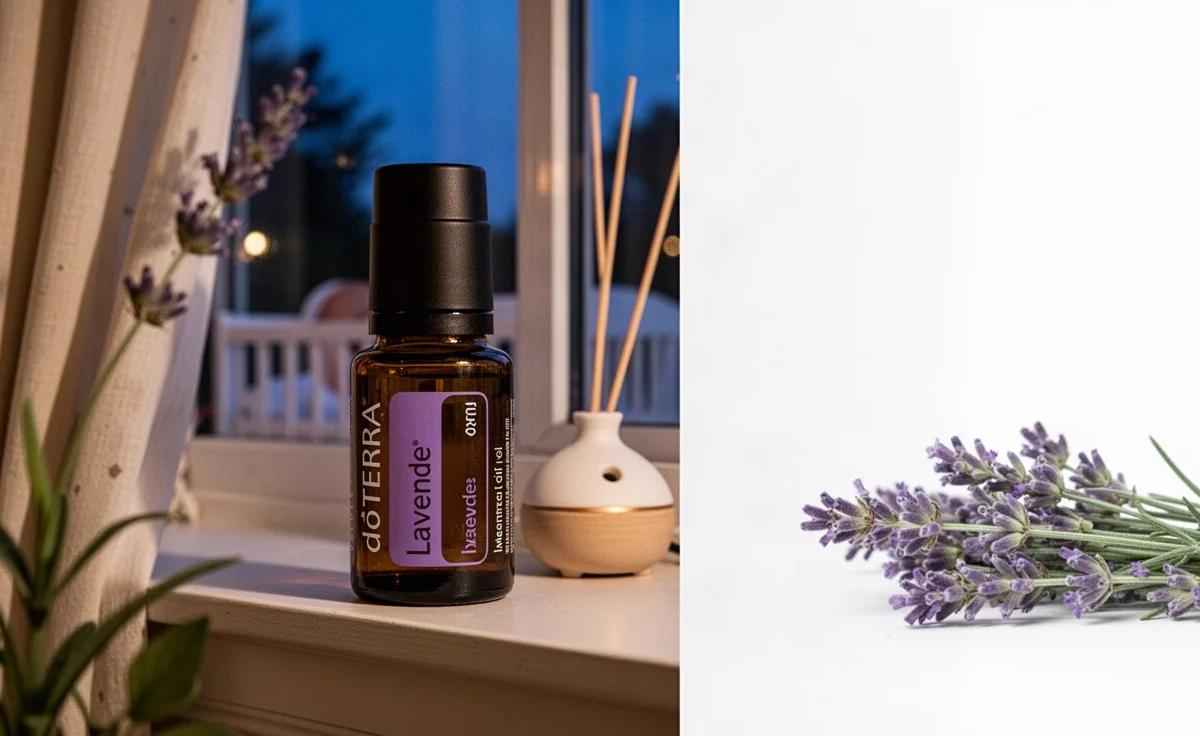
doTERRA Essential Oils for Kids Bedtime Routine
By the LittleSynergy Team — moms, Wellness Advocates & doTERRA enthusiasts
If bedtime feels like a nightly negotiation, you are not alone. The short answer is that doTERRA essential oils can be a soft, supportive part of a kids bedtime routine, mainly through gentle diffusion in shared family spaces. The goal is never to "fix" sleep, but to create a cozy, predictable atmosphere that says we are winding down now. Many parents find that Lavender, Roman Chamomile, and doTERRA blends like Serenity help set that calm tone. Always choose mild oils, diffuse sparingly, and check with your pediatrician before introducing anything new around your child.
Why Routine Matters More Than Any Oil
The oil is never the main event. A warm bath, dim lights, a familiar story, and a quiet voice do the real work. The oil simply adds a pleasant sensory cue. When the same gentle scent appears each evening, kids start to associate it with slowing down. We have found this works best when the ritual is consistent, not when you chase a new oil every night.
Gentle Oils We Reach For
Some favorites for shared, well-ventilated spaces include:
- Lavender: soft, floral, and widely appreciated
- Roman Chamomile: warm and calming in character
- doTERRA Serenity blend: created specifically with restful moments in mind
- Cedarwood: grounding and woody without being heavy
Avoid strong, high-menthol oils like Peppermint and Eucalyptus around young children entirely. Their intensity is simply not suited to little ones, especially near the breathing zone of a bedroom.
Our Simple Bedtime Diffusion Steps
- Start the diffuser in a shared living area about 30 minutes before bed, not in a closed nursery.
- Use a very small amount of a single gentle oil, far less than you would for an adult.
- Run the diffuser for 20 to 30 minutes, then switch it off before your child enters the room.
- Keep all bottles and diffusers out of reach of children.
A Quick Comparison for Choosing
| Oil or Blend | Character | Our Take for Bedtime |
|---|---|---|
| Lavender | Soft, floral | A classic starting point, widely liked |
| Serenity blend | Calming, complex | Helpful when a single oil feels too plain |
| Roman Chamomile | Warm, sweet | Lovely for short diffusion in shared spaces |
| Peppermint | Strong, menthol | Keep away from young children |
What we recommend most often is a lighter hand. For more on keeping things gentle, see our guide to gentle essential oils for kids bedtime routines. For deeper sleep-focused ideas, we also like gentle essential oils for kids sleep.
Common Mistakes We Made (So You Don’t Have To)
The biggest mistake we see is treating the diffuser like an air freshener for a messy bedroom. Essential oils are not a substitute for opening a window or decluttering the sleep space — stale, stuffy air works against any calming scent. Another common slip is rotating oils too quickly. If you switch from Lavender to Serenity to Chamomile every night, the sensory cue never gets a chance to stick. Pick one mild oil or blend and use it for at least two weeks before deciding whether it helps.
We also learned the hard way not to leave the diffuser running on a high setting in a small space. A faint trace on the air is enough. If you can clearly smell the oil from across the room, that is probably too much for a child's developing system. And never place a diffuser on a nightstand within arm's reach, even if it is "off" — water, cords, and curious hands are a risky mix.
Turning Bedtime into a Ritual Kids Actually Anticipate
One practical trick is to give your child a small, non-oil job in the wind-down sequence. Let them be the one who flips the diffuser switch, picks the bedtime story, or fluffs the pillow. This gives a sense of ownership and makes the transition feel less like a parental command. You can also pair the scent with a simple spoken phrase, like "time for rest," so the oil and words reinforce each other over time.
Another idea we love is creating a "bedtime basket" with a book, a soft blanket, and a laminated picture card showing the evening steps. The diffuser sits inside as the final item. Kids respond to visual predictability. Just remember that the oil itself is never the star — it is the quiet background note that makes the whole routine feel finished and familiar.
Related reading
- Calming Essential Oil Ideas for Kids Bedtime
- Lavender vs Cedarwood for Kids Sleep Compared
- Calming Oils for Kids Sleep Made Simple
Frequently Asked Questions
Can I diffuse essential oils in my child's bedroom? It is generally better to diffuse in an open, shared area before bedtime, then turn the diffuser off before your child enters the room. This keeps the air gentle and avoids prolonged exposure.
Which doTERRA oil is best for kids bedtime? Lavender and the Serenity blend are popular starting points. Every child responds differently, so begin with one mild oil and observe how your family feels.
How many drops should I use for kids? Far fewer than for an adult, but the right amount depends on the specific oil and your child. Follow doTERRA's label guidance and ask your pediatrician.
Are all doTERRA oils suitable for children? No. Strong oils like Peppermint, Eucalyptus, Cinnamon, and Clove are best kept away from young children. Stick to mild options and always check with a pediatrician first.
Do essential oils replace a good bedtime routine? No. They are only a small sensory layer on top of consistent habits like dim lights, stories, and a regular schedule. The routine itself does the heavy lifting.
Conclusion
A peaceful bedtime starts with consistency, not with a bottle. When used sparingly and thoughtfully, a gentle doTERRA oil can add a lovely, calming thread to your family's evening ritual. Stay curious, stay cautious, and trust your instincts as a parent.
This content is for general information only and is not medical advice. Essential oils are not intended to diagnose, treat, cure, or prevent any disease; always consult a pediatrician before any use involving babies or children.