Pregnancy Nausea Relief With Essential Oils
Wondering which gentle essential oils help calm pregnancy nausea without harsh scents? A mom shares the cautious, diffuser-first approach that worked for her.
Pregnancy Nausea Relief With Essential Oils
By the LittleSynergy Team — moms, Wellness Advocates & doTERRA enthusiasts
If you are reading this with a sleeve of saltines in one hand and your phone in the other, you are not alone. Morning sickness that lasts all day is exhausting, and the search for something gentle can feel overwhelming. Here is the direct answer: many moms find that softly diffusing certain mild, citrusy or minty aromas helps make the queasy moments more bearable, but you should always check with your doctor or midwife first, use oils cautiously, and never put them directly on your skin without generous dilution.
The Two Oils I Reached For First
Many moms want something light and fresh, not heavy or floral, when nausea hits. Two doTERRA oils stand out.
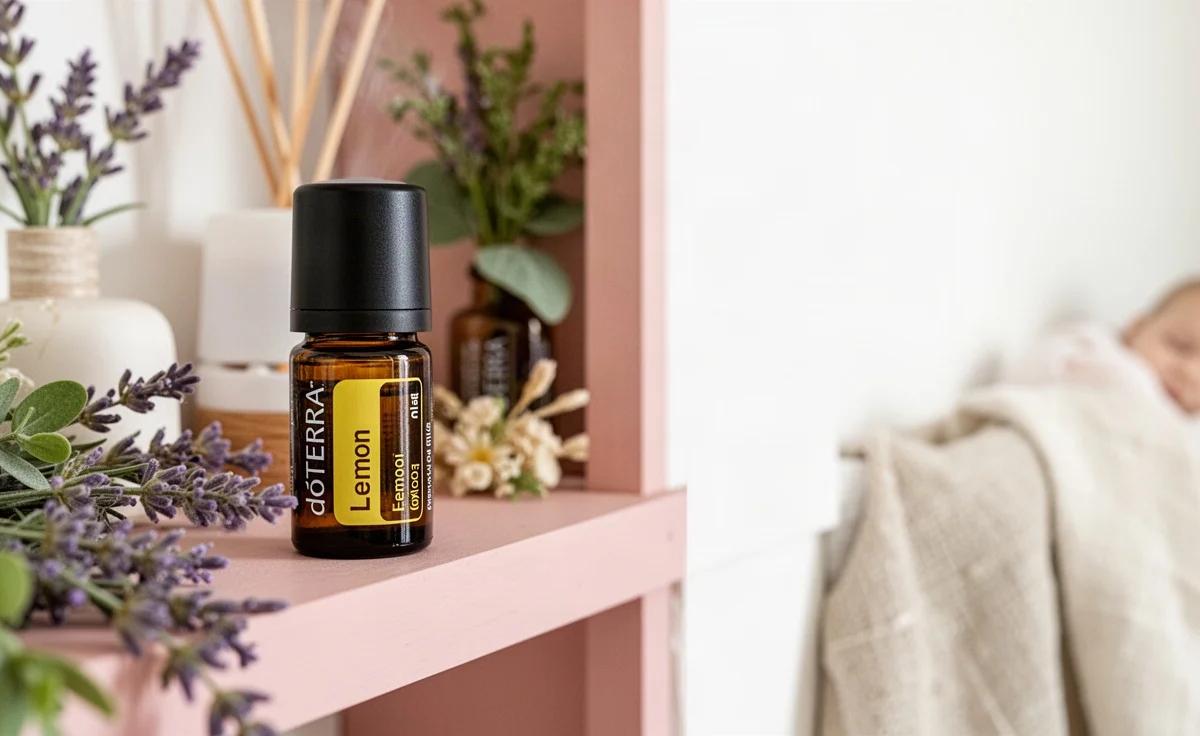
The first is Lemon. Its bright, clean scent feels like opening a window on a stuffy morning. The second is Spearmint, which is softer and sweeter than peppermint. Both are best used only in a diffuser, in short sessions, in a room with good airflow.
What I Kept on My Nightstand Instead
There is another option that surprised me. A few moms in my circle really rely on DigestZen Touch, a pre-diluted blend designed for gentle topical use. Some find its aroma comforting during queasy spells. I kept it within reach but only used it after my midwife gave the okay, and always sparingly.
Here is a quick comparison from our experience.
| Oil | Scent Profile | How I Used It |
|---|---|---|
| Lemon | Bright, citrusy, fresh | Diffused in short sessions |
| Spearmint | Soft, sweet mint | Diffused near an open window |
| DigestZen Touch | Herbal, warm, gently spicy | Applied sparingly, midwife-approved |
The Simple Routine That Helped Me
If you want to try this cautiously, here is what I did step by step.
- I asked my doctor or midwife first, every single time.
- I placed the diffuser in a room with open airflow, never beside my face.
- I diffused tiny amounts for ten to fifteen minutes, never all day.
- I kept the bottle out of reach and capped tightly afterward.
- I stopped immediately if any scent felt overwhelming.
Why Peppermint Stayed in the Cabinet
Many pregnancy lists mention peppermint, but my midwife advised caution with strong menthol aromas, especially later in pregnancy and around newborns. So I skipped it. The spearmint route felt safer and still gave me that fresh sensation. There are no guarantees, but that trade felt right for me.
If you want to compare notes on this approach, this guide to pregnancy safe doTERRA oils for nausea relief mirrors a lot of what we learned.
Common Mistakes That Can Backfire Quickly
The biggest mistake we see is thinking that if a little is good, more must be better. With pregnancy nausea, the opposite is usually true. Over-diffusing turns a pleasant scent into a suffocating cloud that can trigger more queasiness, not less. We treat diffusing like a whisper, not a shout.
Another frequent error is picking up a bottle of oil from a shelf without confirming it is pure and unadulterated. Synthetic fragrance blends can smell similar but lack the gentle character of genuine essential oil and may introduce an entire list of unknown compounds. When you feel fragile, reading labels carefully matters even more.
A DIY Inhaler for On-the-Go Queasiness
Diffusers are wonderful at home, but nausea rarely waits until you are near an outlet. A small personal aromatherapy inhaler can slip into a purse, glove box, or desk drawer for moments when you cannot lie down. Here is a cautious approach I used after asking my midwife.
- Purchase a blank personal inhaler with a removable cotton wick.
- Place the wick in a tiny glass dish, then add two drops of lemon and one drop of spearmint.
- Allow the wick to absorb fully, then insert it into the inhaler tube and cap tightly.
- Inhale gently for a few seconds only, then recap. Do not pass it around to others.
This method uses far less oil than a diffuser and gives you control over the intensity. If the scent becomes too much, you can simply close the cap and breathe fresh air until the feeling passes.
Related reading
Frequently Asked Questions
Which essential oil is most gentle for pregnancy nausea?
Many moms start with lemon or spearmint, diffused lightly. These scents feel clean and refreshing without being heavy or sharp.
Is it safe to put essential oils directly on my stomach during pregnancy?
Always ask your doctor or midwife first. If they approve, use a pre-diluted option like DigestZen Touch and apply sparingly, never neat.
Why avoid peppermint during pregnancy nausea?
Some professionals advise caution with strong menthol aromas, especially later in pregnancy and around newborns. Gentle spearmint is a softer alternative many moms prefer.
How long should I diffuse oils for morning sickness?
Start with very short sessions, around ten to fifteen minutes, in a ventilated room. Listen to your body and stop if the scent feels like too much.
Can my husband use a diffuser around me while I am pregnant?
Yes, but the same caution applies to shared spaces. Keep amounts tiny, the room aired out, and check with your care provider if anything feels off.
The truth is, pregnancy nausea asks for patience more than perfection. A soft scent, a cool breeze, and a doctor who listens made all the difference for me. I hope you find the same gentle relief.
This content is for general information only and is not medical advice. Essential oils are not intended to diagnose, treat, cure, or prevent any disease; always consult a pediatrician before any use involving babies or children.