Best Gentle Essential Oils for Toddler Sleep
Wondering how to create a calmer bedtime for your toddler? Discover gentle, parent-tested essential oils and simple routines that support peaceful evenings.
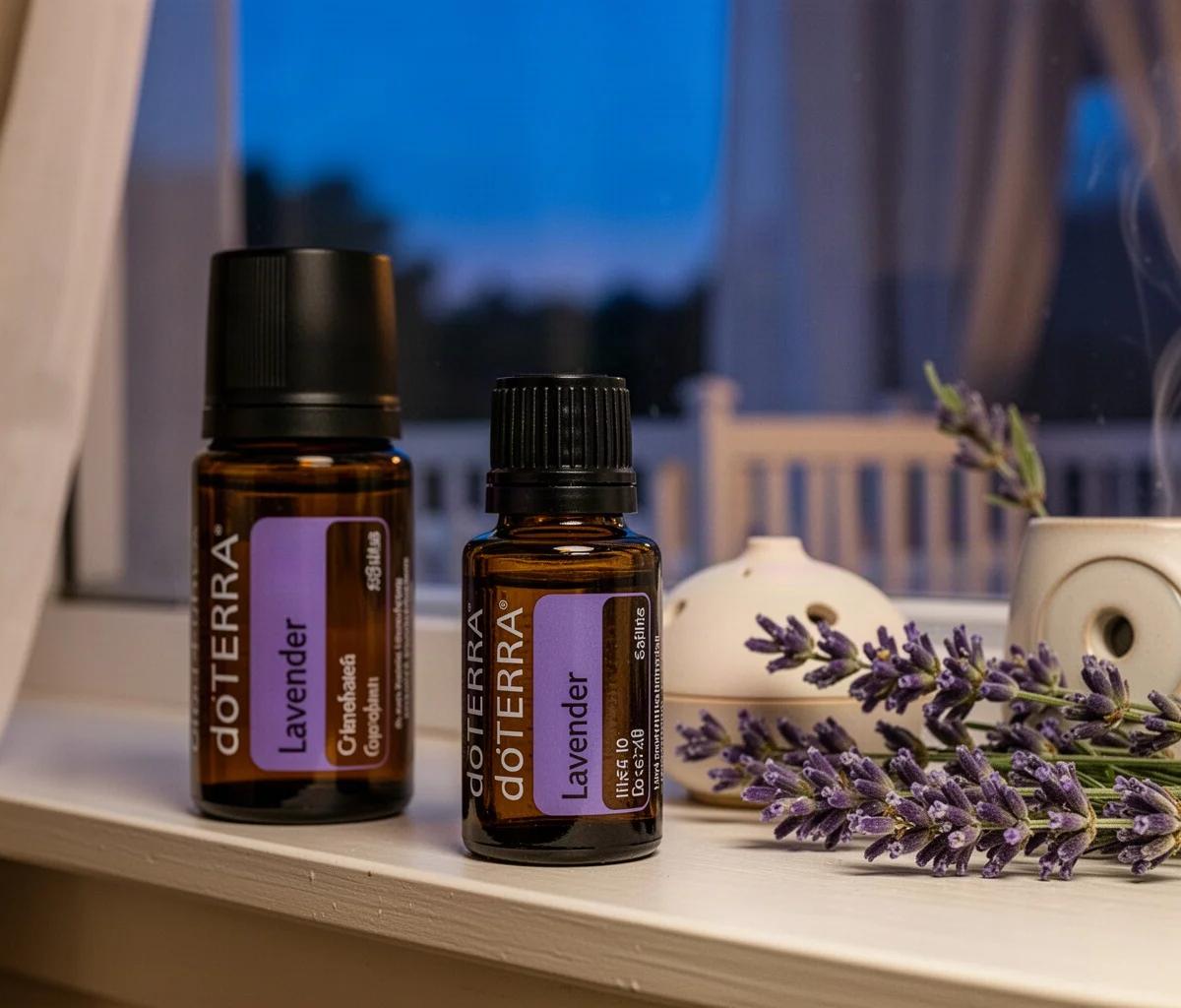
Best Gentle Essential Oils for Toddler Sleep
By the LittleSynergy Team — moms, Wellness Advocates & doTERRA enthusiasts
If bedtime has become a nightly negotiation, you are not alone. The short answer is that many parents turn to gentle essential oils as part of a calm, predictable bedtime routine. The most commonly chosen oils for this purpose are doTERRA Lavender and doTERRA Serenity, both loved for their soft, soothing aromas. Used in a diffuser in a shared family space, never applied directly to a toddler's skin and never used in place of a pediatrician's guidance, these oils can simply help set a cozy, relaxing tone for the evening.
Two Oils Parents Tend to Start With
When we began exploring essential oils for our own evening rhythm, we looked for oils with a reputation for being soft and inviting. Two stood out among parent conversations and doTERRA's own recommendations.
- Lavender – A classic, floral scent that many people associate with winding down. It is often the first oil parents try because the aroma feels familiar and gentle.
- Serenity – A doTERRA blend designed specifically around a calm, restful atmosphere. Parents often prefer it for the way it combines lavender with other soft botanicals.
Remember, these oils go into a diffuser in the room, not on your child. And always check doTERRA's age guidance on the label and ask your pediatrician before using any essential oil around your toddler.
A Simple, Parent-Tested Bedtime Routine
Here is the routine I have used and recommended most often. It is simple enough to survive a busy evening.
- Start the diffuser in a shared area before your toddler is in the room, using a tiny amount of a gentle oil like Lavender or Serenity.
- Keep the child's bedroom door open and run the diffuser in a nearby hallway or living space rather than directly beside the crib or bed.
- Follow the same calm sequence every night: a warm bath, a short book, and dim lights.
- Turn the diffuser off before your child falls asleep, and never run it for long periods in a closed room.
- Store every bottle out of reach, in a high cabinet or a locked box.
Which Oil Fits Your Evening Style?
| Situation | Try This | Why Parents Like It |
|---|---|---|
| Very sensitive to strong scents | Lavender | A single, soft floral note that is easy to recognize |
| Want a ready-made calm blend | Serenity | Combines lavender with other gentle botanicals in one bottle |
| Prefer not to diffuse at all | Neither, for now | A warm bath and a consistent story can be just as powerful |
Diffuser Setup Mistakes to Avoid
Parents often mean well but accidentally create an environment that feels more stimulating than soothing. One common mistake is using too many drops. A toddler’s sense of smell is far more sensitive than an adult’s, and a strong aroma can cause fussiness or an unsettled mood rather than calm. Start with one to two drops of Lavender or Serenity in a water-based diffuser, and only increase if the scent is barely noticeable after ten minutes.
Another overlooked issue is placing the diffuser too close to the crib or bed. Even a gentle mist can feel overwhelming when it is within arm’s reach or directly above a sleeping child. Keep the diffuser at least six feet away, ideally near the door or on a high shelf, and point the mist away from the toddler’s face. Also avoid running the diffuser in a tightly sealed room with no airflow. A slightly open door or window helps prevent the aroma from becoming heavy or stale. Finally, never mix multiple strong oils in one session thinking it will be “more relaxing.” Simplicity is safer and more predictable.
Pairing Aromatherapy with Other Sleep Cues
An essential oil works best when it becomes part of a sensory pattern your toddler already recognizes. Try diffusing Lavender only during the final ten minutes of a warm bath, then turn the diffuser off as you move into pajamas and story time. This creates a scent anchor that signals the transition from active play to rest, without relying on the oil to do all the work.
You can also place a single drop of Serenity on a cotton ball and tuck it inside a small cloth pouch near the changing table or bookshelf, never inside the crib. The gentle aroma lingers in the reading nook and helps your toddler associate that corner with slowing down. Be honest about timing: oils support a routine but cannot override skipped naps, late sugar, or a missed connection with a caregiver. If your child is teething or fighting a cold, the same oil that worked last week may not feel soothing tonight. Keep the diffuser optional, and let your toddler’s mood guide whether you use it at all.
Related reading
- Gentle Essential Oils for Toddler Sleep
- Honest Review of doTERRA Oils for Toddler Sleep
- Best doTERRA Oils for Toddler Tantrums and Meltdowns
Frequently Asked Questions
Are essential oils safe for toddlers? It depends on the specific oil and the child's age. The safest approach is to diffuse very sparingly in a shared space, avoid applying oils to a toddler's skin, and ask your pediatrician before starting.
Should I put essential oil on my toddler's skin? No. For toddlers, diffusing a gentle oil in the room is the more common and cautious choice. Skin application requires pediatrician guidance and generous dilution.
Can I diffuse oils in my toddler's bedroom all night? It is better to run the diffuser for a short time before bed and turn it off once your child is asleep. A brief, gentle aroma in a shared space is enough to set the tone.
Which oils should I avoid around toddlers? Peppermint, Eucalyptus, Rosemary, and Wintergreen are strong, high-menthol oils best kept away from young children. Cinnamon, Clove, Oregano, and Thyme are also best avoided around little ones, especially on the skin.
Where should I store essential oils? Always store them out of reach of children, ideally in a high, closed cabinet or a lockable box.
Creating a calm bedtime for your toddler is often about rhythm more than any single product. Go slowly, keep things simple, and let your pediatrician guide any new addition to your evening routine.
This content is for general information only and is not medical advice. Essential oils are not intended to diagnose, treat, cure, or prevent any disease; always consult a pediatrician before any use involving babies or children.