Best doTERRA Oils for Toddler Tantrums and Meltdowns
Discover gentle doTERRA oils that can help calm toddler tantrums. Practical diffusing tips and safe routines for overwhelming moments at home.
Best doTERRA Oils for Toddler Tantrums and Meltdowns
By the LittleSynergy Team — moms, Wellness Advocates & doTERRA enthusiasts
You are standing in the kitchen while your toddler melts into a puddle on the floor, and you just want a moment of calm for both of you. We have been there. The most helpful approach we have found is not fixing the feeling, but softening the atmosphere around it. Gentle essential oils like Lavender, Balance, and Adaptiv are the ones we reach for most. Diffused in a shared living space, in small amounts, they can help the whole room feel a little lighter.
Gentle Oils We Reach For
When a meltdown is happening, we prefer oils that feel soft and grounding rather than sharp or stimulating.
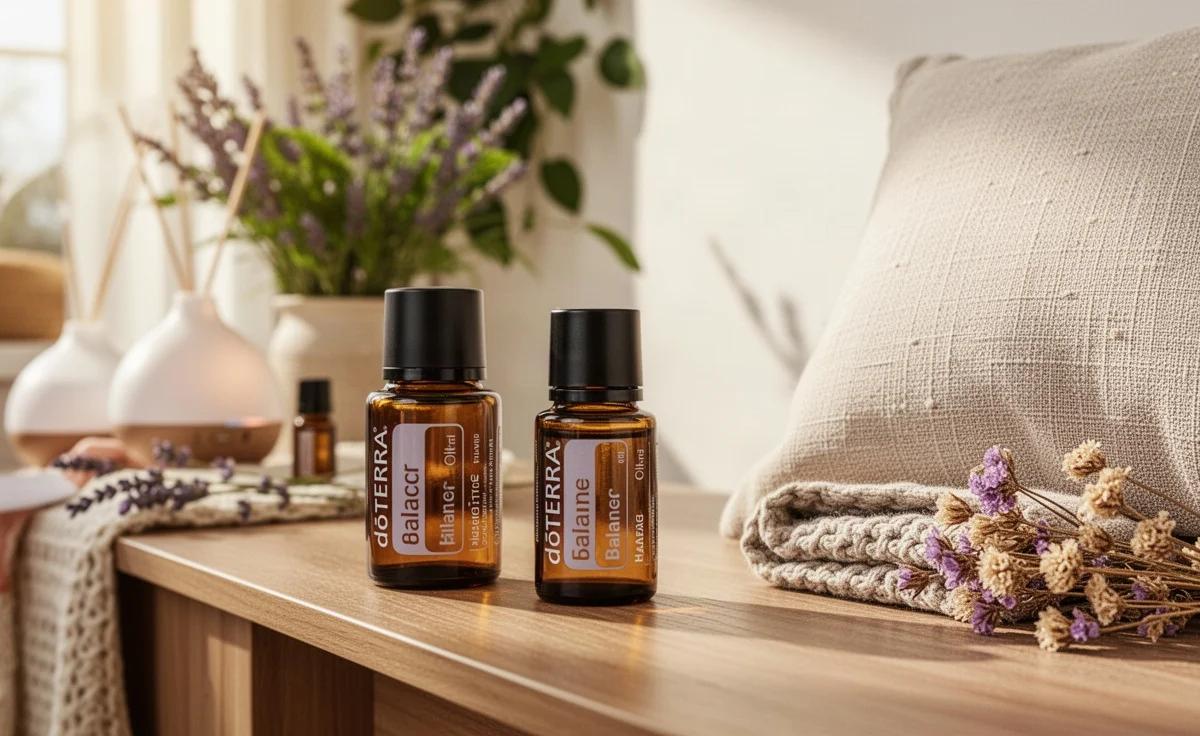
- Balance is a blend built around spruce and frankincense. It has a woody, calm scent that many parents describe as steadying for the whole household.
- Lavender is a classic for a reason. Its floral, familiar aroma is one of the easiest for children to accept.
- Adaptiv has a fresh, lightly floral profile. We find it useful for moments when everyone, including us, feels wound up.
We do not apply these oils to a toddler's skin. We diffuse them in the living room or kitchen, using 3 drops per 100 ml of water for 30 minutes with a window open. That small amount is enough to shift the mood of a room without overwhelming anyone.
A Simple Meltdown Reset Routine
This is the sequence we default to when things get loud.
- Lower your own voice first. Children mirror adult energy more than any scent.
- Add 3 drops of Lavender or Balance to a diffuser in the shared space, away from the child's face.
- Open a window or door so the air keeps moving.
- Sit nearby without demanding eye contact. Let the aroma and your quiet presence do the work.
- Once the child is calm, offer water and a short cuddle.
Before diffusing any essential oil around a child, check with your pediatrician and follow doTERRA's official age guidance on the product label. Keep every bottle out of reach of children.
Which Oil Fits the Moment
| Situation | Oil We Would Try |
|---|---|
| Loud, flailing tantrum | Balance |
| Overtired and crying | Lavender |
| Busy home, overstimulated kid | Adaptiv |
| Bedtime winding down | Lavender |
What We Avoid Around Toddlers
Strong, high-menthol oils like Peppermint, Eucalyptus, and Rosemary are not ones we recommend diffusing around young children. We also keep warming oils like Cinnamon, Clove, and Oregano away from little ones entirely. These oils have their place, but a toddler's meltdown is not it.
For more ideas on supporting big feelings gently, read our guide to essential oils for toddler big feelings.
Timing Your Diffuser Before the Storm
Most parents reach for the diffuser after the crying has already started. By then, you are playing catch-up. Instead, think of diffusion as a pre-emptive landing pad for the nervous system's runway.
Watch your toddler's daily rhythm. If the 4 p.m. crash reliably turns into a tearful, thrashing disaster, start the diffuser at 3:45. If carpool pickup triggers a meltdown chain reaction, set the diffuser in the kitchen before you leave so you walk back into an already-grounded space. A 30-minute session timed to start before the expected transition gives the room a chance to feel different before your child's emotions spike.
Common mistake: running the diffuser for hours "just in case." Olfactory fatigue sets in quickly, and what was once soothing becomes invisible background noise. Your toddler's nose tunes out continuous scent, so the oil stops acting as a sensory cue. Short, intentional sessions that begin before difficult moments teach your child's body that the scent means calm is available. Over time, that association becomes a tool you can both rely on.
Creating a Calm-Down Corner with Scent Anchors
A meltdown often escalates because your toddler feels cornered by their own emotions with no exit. A physical calm-down corner gives the feeling somewhere to land, and scent can become the signal that this space is safe.
Pick a quiet corner of the living room or your child's bedroom. Add a small cushion, a favorite stuffed animal, and one or two quiet sensory items like a squishy ball or a board book. Diffuse Lavender or Balance nearby during calm moments — while reading, cuddling, or stacking blocks — before any meltdown happens. This builds an association between the aroma and emotional safety.
When a tantrum begins, do not carry your child to the corner. That can feel like punishment. Instead, sit in the corner yourself and start a quiet activity. Let your child approach on their own terms. The scent acts as a gentle invitation rather than a demand.
Avoid using the calm-down corner as a time-out spot. If the only time your child experiences that corner is during discipline, the scent becomes linked to shame instead of safety. Keep the association positive and consistent.
Over time, your toddler may start retreating to the corner on their own when big feelings arrive. That is the goal: a child learning, with your help, that they can find their way back to calm without being forced.
Frequently Asked Questions
Can I put essential oils on my toddler's skin during a tantrum?
We do not. For children this young, skin application is best discussed with a pediatrician. We rely on brief diffusion in a shared room instead.
How many drops should I use in the diffuser?
For shared family spaces, we use 3 drops per 100 ml of water and diffuse for no more than 30 minutes. Less is more with little ones.
Which doTERRA oil is best for a crying toddler?
We usually start with Lavender or Balance. Both have gentle, grounding aromas that feel calming without being strong.
Are there oils I should avoid around toddlers?
Yes. We keep Peppermint, Eucalyptus, Rosemary, Cinnamon, Clove, and Oregano away from young children. Ask your pediatrician before introducing any new oil.
Do essential oils stop tantrums?
No. They can change the atmosphere of a room, which sometimes helps everyone settle. They are a support, not a fix.
There is no perfect oil for a hard afternoon, but a soft scent and a calm adult can make a real difference. We hope these gentle routines give you one more tool for the loud moments.
This content is for general information only and is not medical advice. Essential oils are not intended to diagnose, treat, cure, or prevent any disease; always consult a pediatrician before any use involving babies or children.