Honest Review of doTERRA Oils for Toddler Sleep
A practical review of doTERRA oils for toddler sleep, what works gently, what to skip, and how to build a calm bedtime routine safely. A practical guide with.
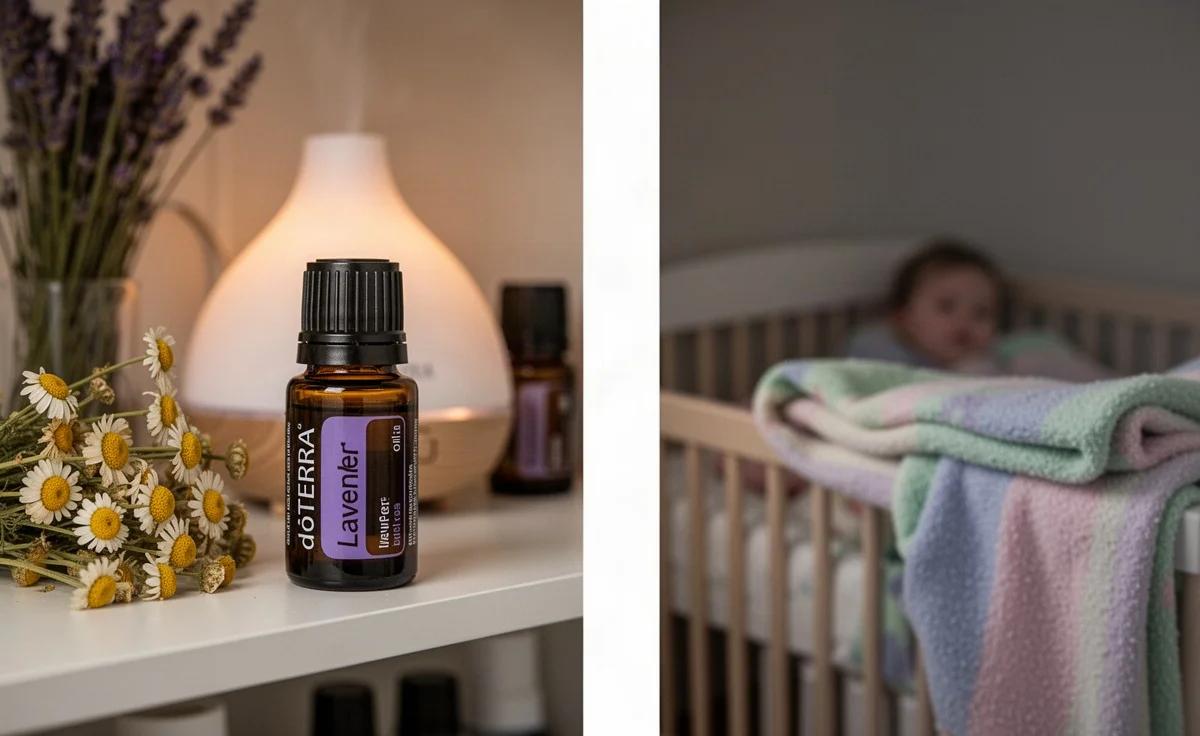
Honest Review of doTERRA Oils for Toddler Sleep
By the LittleSynergy Team — moms, Wellness Advocates & doTERRA enthusiasts
If you have ever stood in the dark nursery at 9pm, bouncing a wide-awake toddler who clearly did not read the sleep memo, you already know why this search exists. We have been there too, and after reviewing the doTERRA catalog, user experiences, and safety guidance, our verdict is clear: a few doTERRA oils can genuinely support a cozy bedtime ritual, but the ritual matters more than the oil. Products like Lavender and Serenity are loved by many parents for their soft, calming aromas diffused in a shared space. What we would not recommend is anything stronger, like eucalyptus or peppermint, around small children.
What We Like About These Oils
Our assessment is based on composition, typical parent feedback, and how they fit an actual evening with a toddler.
Pros:
- Lavender is the classic gentle starter oil, soft and familiar, not sharp or overwhelming
- The Serenity blend combines lavender with warm, grounding notes many find relaxing
- Both blend beautifully into a short pre-bed diffusion in a ventilated room
- doTERRA's own testing standard gives us confidence in what we are diffusing
Cons:
- The scent alone does not put a toddler to sleep; it works only inside a consistent routine
- Some parents expect instant results and are disappointed when night one looks the same as always
- Serenity costs more than plain Lavender, so it is an investment, not a necessity
- A toddler's room can quickly become overpowering if you diffuse too long
How We Suggest Using Them
A realistic 30-minute routine could look like this:
- About 45 minutes before bed, place the diffuser in the room, out of the toddler's reach
- Add 3 drops of Lavender or Serenity per 100 ml of water, the minimum recommendation
- Start the diffuser while you do pajamas, teeth, and a story in another room
- Turn it off before your child enters the bedroom, or keep sessions short and the room aired
- Repeat the same order and scent each night, because repetition does more than any oil
Never apply these oils to a toddler's skin without first talking to your pediatrician. Where children are involved, always follow doTERRA's product label and age guidance.
A Quick Comparison
| Oil | Scent Character | Best Role at Bedtime | Our Take |
|---|---|---|---|
| Lavender | Soft, sweet, floral | First choice for calm atmosphere | Gentle starting point |
| Serenity | Floral with warm, woody notes | A slightly richer evening blend | Lovely, but not essential |
| Balance | Earthy, grounding | Daytime calm, less bedtime-specific | Better for shared family spaces |
| Eucalyptus | Sharp, camphorous, menthol-like | Not for young children | Keep away from toddlers |
For a fuller look at gentle options and routines, see our guide to gentle essential oils for toddler sleep.
Common Mistakes That Undermine the Routine
The biggest mistake we see is treating diffusion like a stronger, longer session will yield a deeper sleep. With toddlers, the opposite is often true. A room that smells intensely of Lavender can become stimulating rather than soothing, and parents sometimes tell us their toddler started sneezing or rubbing their eyes after an hour-long diffusion. Another common misstep is changing the scent nightly to test what works. Toddlers thrive on predictability, so rotating between Lavender, Serenity, and Balance during the same week can weaken the very cue you are trying to build. We also see parents place the diffuser right beside the crib, where the mist falls directly on the child. Instead, keep it at least three feet away and below the level of the mattress, so the aroma stays ambient rather than concentrated.
Reading Your Toddler's Cues
A toddler cannot tell you the scent is too strong, but the body often will. Look for signs like facial rubbing, sneezing, watery eyes, restless behavior after diffusion begins, or resistance to entering the room. Those reactions often appear before you notice the room feels heavy. If you see any of them, shorten the diffusion window, reduce the drop count, or switch to diffusion in an adjacent room while the bedroom stays fresh. One simple test we like: after the first five minutes, step outside and re-enter the room yourself. If the smell hits you immediately at the door, it is likely too intense for a small child. The aroma should be a soft presence, not an announcement.
Related reading
Frequently Asked Questions
Do doTERRA oils actually help toddlers sleep? They can support a calming bedtime atmosphere, but they are not a sleep treatment. The repetition of the routine is what most parents say makes the real difference.
Is Lavender safe to diffuse around a toddler? Many parents choose Lavender for brief, well-ventilated diffusion when the child is not in the room while the diffuser is on. Confirm the right approach with your pediatrician.
How many drops should I use in a toddler's room? For ambient diffusion, the standard gentle amount is 3 drops per 100 ml of water, short sessions, and a ventilated room. We do not recommend more than that around children.
Can I put these oils on my toddler's skin? We do not advise applying any essential oil to a toddler's skin without a clear pediatric indication and dilution guidance from your doctor. Diffusion is the safer starting point.
Is Serenity worth the extra cost? If you already love Lavender and want a slightly more layered aroma, it can feel like a nice upgrade. If you are just starting out, plain Lavender is perfectly enough.
Our Final Take
This is one of the few areas where a little caution and a simple oil go a long way. A short, consistent Lavender diffusion paired with a predictable bedtime order is, in our view, the smartest place to start.
This content is for general information only and is not medical advice. Essential oils are not intended to diagnose, treat, cure, or prevent any disease; always consult a pediatrician before any use involving babies or children.