Relaxing Oils for Kids Bedtime and Calm
Wondering which relaxing oils suit your child's evening routine? We share gentle options for calm, cozy moments and what we keep in mind as parents.
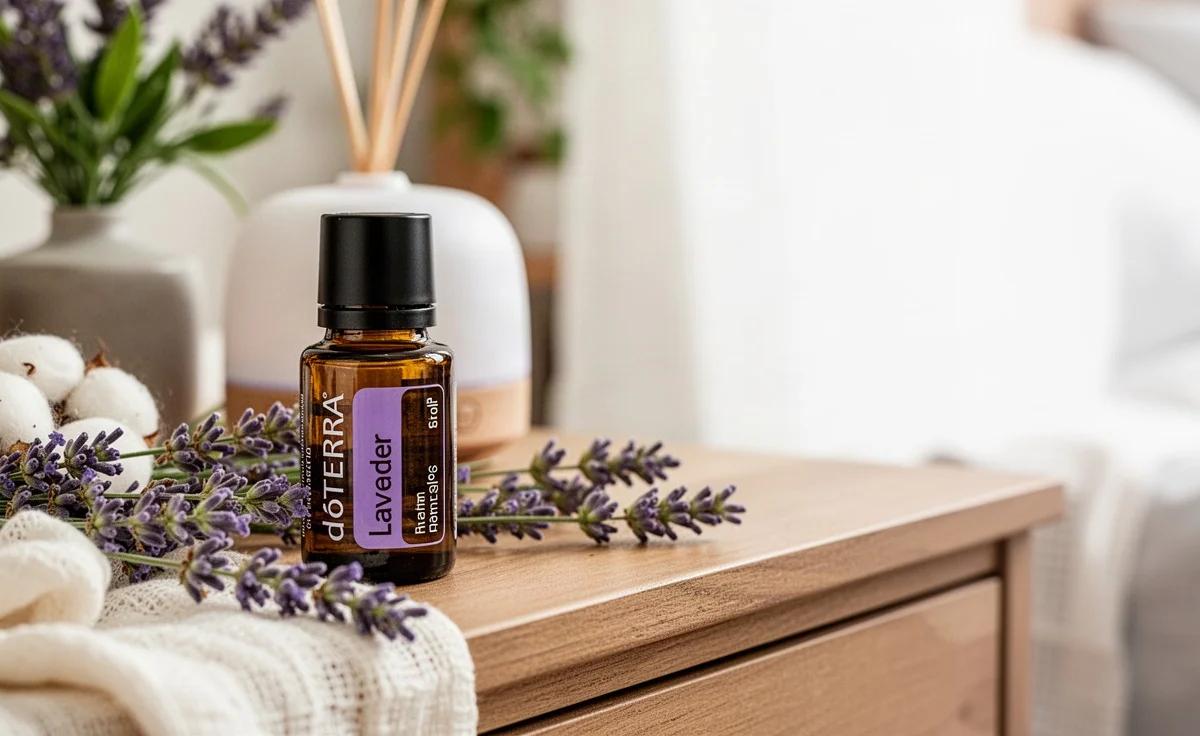
Relaxing Oils for Kids Bedtime and Calm
By the LittleSynergy Team — moms, Wellness Advocates & doTERRA enthusiasts
You know that moment when the house finally gets quiet, but your little one is still buzzing from the day? If you're reading this, you're probably wondering which relaxing oils for kids actually make sense, and which ones are better left in the cabinet. We've been there too.
The short answer: the gentlest options many parents turn to are Lavender and Roman Chamomile, used in a short, well-ventilated diffusion session. The key is less about the specific oil and more about the ritual: same scent, same time, same cozy sequence, evening after evening. Always check doTERRA's label guidance and talk with your pediatrician before using any oil around your child.
What We Look For in a Relaxing Oil for Kids
We keep the list short and the context simple. These are the oils we feel most comfortable diffusing in shared family spaces:
| Oil | Why Parents Reach For It | Our Note |
|---|---|---|
| Lavender | Soft, floral, traditional evening favorite | A classic starting point |
| Roman Chamomile | Mild, gentle, often a good alternative to lavender | Nice when lavender feels too strong |
| Cedarwood | Warm, woody, grounding | Lovely mixed with a floral note |
| Vetiver | Deep, earthy, anchoring | Use sparingly, it's potent |
None of these go on a child's skin in our home. We diffuse, briefly, in a room with the door open.
A Simple Evening Diffusion Routine
If you want to try a calming moment, this is the gentle sequence we follow:
- Start with 3 drops of Lavender per 100 ml of water in the diffuser.
- Run the diffuser for about 30 minutes in a well-ventilated shared space, not a closed bedroom.
- Turn it off before your child enters the room to sleep.
- Keep the diffuser and all oils out of reach of children, always.
Names like Peppermint and Eucalyptus are best kept away from young children, so we never diffuse those in kids' spaces.
The Ritual Matters More Than the Oil
What we've learned is that the repetition does the real work. The same soft scent, at the same time, paired with warm low light and a calm voice, teaches the body that the day is winding down. The oil is one small cue in that sequence, not the whole solution.
For more on evening routines, see Gentle Essential Oils for Kids Sleep. Every child responds differently, so start slowly, watch how yours reacts, and let your pediatrician guide any decisions about use on or around your child.
Common Mistakes We Made (So You Don’t Have To)
When we first started diffusing around our kids, we treated the diffuser like a plug-in air freshener — refill and forget. That led to two problems: over-scented rooms and cranky little noses. Here are the mistakes worth avoiding:
- Diffusing in a closed bedroom. Even gentle oils can become overpowering in a small, sealed space. Keep the door cracked open or diffuse in the living area before transition to bed.
- Using too many drops. More oil does not mean more calm. Three drops per 100 ml of water is plenty. Stronger blends can trigger headaches or sniffles.
- Switching scents every night. If you alternate between three different lavender-chamomile-cedar blends, you lose the cue power of repetition. Pick one blend and stick with it for at least two weeks.
- Diffusing right at the pillow. The diffuser should sit across the room, on a high shelf, not on a bedside table inches from your child’s face.
- Ignoring your child’s reaction. A wrinkled nose, a cough, or a sudden request to leave the room is feedback. Listen to it and adjust.
One small habit that helps: set a phone timer for 30 minutes every time you turn the diffuser on. It keeps sessions consistent and removes the “did I leave it running?” worry.
Pairing Calm Scents With Simple Touch and Sound
Scent works best when it’s paired with one or two other grounding cues. Here’s what we do alongside our short diffusion:
- The “Two-Minute Back Trace.” After lights dim, slowly trace shapes — a heart, a star, a spiral — on your child’s back with one finger while breathing out loud together. The oil becomes the background, the touch becomes the focus.
- The Same-Order Song. We hum the same three-note descending pattern every night, right after the diffuser goes on. It’s soft, slow, and boring — which is the point.
- A “Heavy Hands” Hold. For older toddlers, a gentle hand on each shoulder for ten slow breaths works better than any new bedtime routine chart. No oil on the skin; just calm pressure and steady presence.
The trick is to keep these additions simple and repeatable. Scent, touch, and sound each tell the nervous system the same message: nothing new is happening, you can stand down. The oil is only one part of that conversation — but combined with a familiar touch cue, it becomes far more reliable.
A practical note from our team: Roman Chamomile and Cedarwood are often described by parents as the “quieter” oils — less perfumey, more grounding — which makes them our go-to choices when one child finds Lavender too floral for their taste.
Frequently Asked Questions
Can I apply relaxing oils to my child's skin?
We don't. For children, especially the very young, we prefer diffusing in shared spaces and avoid skin application unless a pediatrician specifically advises it.
Which oil is best for a calming bedtime?
Many parents start with Lavender or Roman Chamomile because they're gentle and widely available. The best choice depends on your child's preferences and your pediatrician's guidance.
How long should I diffuse around kids?
We keep sessions to about 30 minutes in a ventilated room, using 3 drops per 100 ml of water. We turn the diffuser off before the child settles in to sleep.
Are there oils to avoid around children?
We keep Peppermint and Eucalyptus away from young children's spaces. Strong, heating oils also stay out of our diffuser, and we always check doTERRA's product labels.
Is diffusing relaxing oils safe for every child?
It depends on the oil, the child, and the environment. Talking with your pediatrician first is the step we never skip.
We keep it gentle, we keep it short, and we always let the calm of the routine lead.
This content is for general information only and is not medical advice. Essential oils are not intended to diagnose, treat, cure, or prevent any disease; always consult a pediatrician before any use involving babies or children.