Toddler Cough at Night Gentle Natural Remedy
Wondering about natural ways to ease your toddler's nighttime cough? Discover gentle routines, safe diffusion habits, and when to call the pediatrician.
Toddler Cough at Night Gentle Natural Remedy
By the LittleSynergy Team — moms, Wellness Advocates & doTERRA enthusiasts
The house finally goes quiet, you exhale for the first time all day, and then it starts: that small, raspy cough from the next room. If you are reading this, you are probably tired, a little worried, and trying to figure out what might help without reaching for something harsh. We have been there too, and we want to share what has felt gentle and supportive in our own homes.
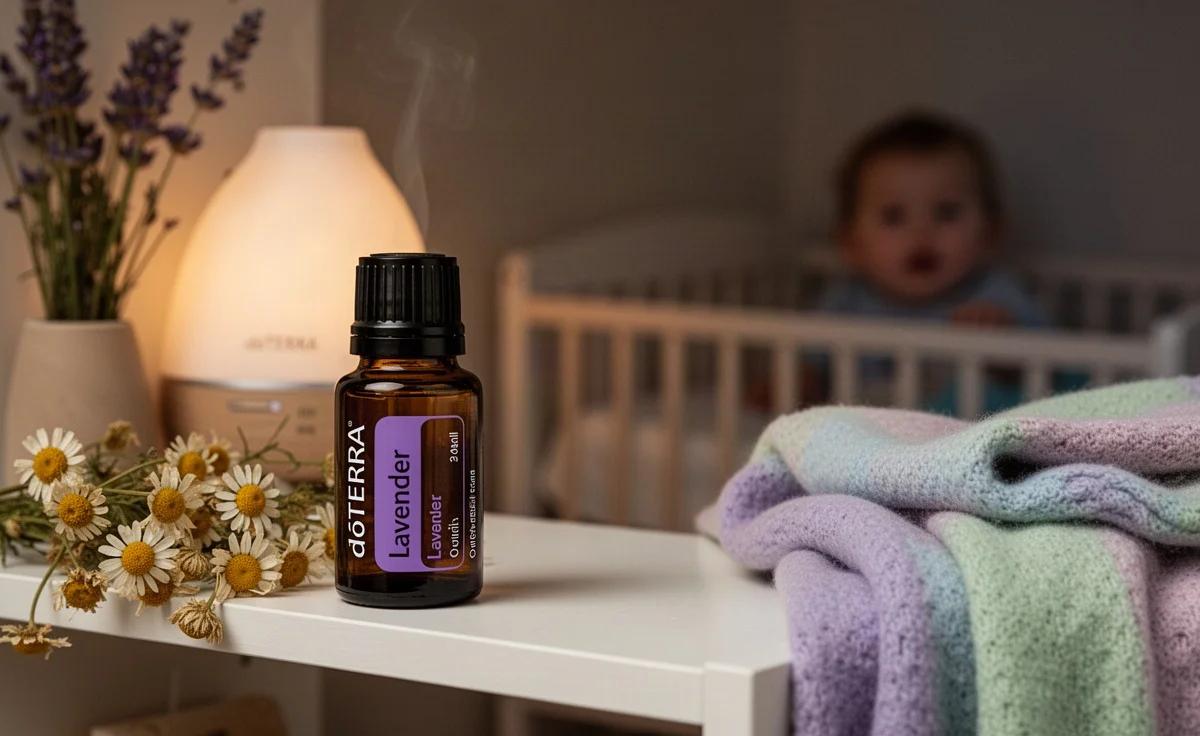
The short version: we do not use essential oils to stop a toddler's cough. A cough is the body doing its job, and it needs a pediatrician's eyes when it lingers or worries you. What we do use, with a lot of caution, is a calm bedroom environment and, on the nights a pediatrician has already given the okay for our family, a very light, brief diffusion in a shared, well-ventilated space. Comfort, routine, and humility come first.
What Actually Helps at Night, Beyond the Diffuser
Before any bottle opens, we look at the room. These everyday comforts often do more than any scent:
- A cool-mist humidifier to keep dry bedroom air from irritating a scratchy throat
- A slightly upright sleeping position, approved by your pediatrician, to help breathing feel easier
- A calm, screen-free wind-down so the body can settle
- Plenty of daytime fluids and rest
We have learned that the ritual matters as much as the aroma. A quiet voice, a back rub, a familiar lullaby: these are the real nighttime healers.
Oils We Approach with Extra Caution Around Toddlers
Some popular oils simply do not belong in a young child's room, and we name them honestly:
- Peppermint
- Eucalyptus
- Rosemary
- Wintergreen
These are rich in menthol or 1,8-cineole, which we prefer to keep away from toddlers' faces and bedrooms, even in a diffuser. No link, no recommendation, just caution.
A Gentler Bedtime Routine, Step by Step
When our own pediatrician has already guided us, here is the careful rhythm we follow:
- Start with the basics: humidifier on, room cool and dark, a calm story
- If diffusing at all, use far less than you would for an adult, and only in a well-ventilated space
- Choose a soft, floral option like Lavender or Roman Chamomile
- Diffuse for a short session only, then turn the device off long before sleep
- Check on your child, not the scent, and always keep bottles out of reach
For more gentle bedtime ideas, our guide on gentle essential oils for toddler sleep walks through the same cautious approach.
Comparison: Diffusing vs. Comfort Measures
| Approach | Best For | Our Take |
|---|---|---|
| Brief diffusion of Lavender or Roman Chamomile | A calm, shared evening atmosphere | Only after pediatrician guidance, short and light |
| Cool-mist humidifier | Dry nighttime air | Almost always our first step |
| Screen-free wind-down | Settling a busy toddler | Free and reliably helpful |
| Pediatrician visit | Any cough that worries you | Never postponed |
Common Mistakes That Make Night Coughs Worse
Over the years, we have made these missteps ourselves so you can avoid them:
- Diffusing all night long. Even a gentle oil becomes overwhelming when a child breathes it for eight hours. Short sessions only.
- Placing the diffuser near the crib or bed. Distance matters; keep it across the room and pointed away from your child's face.
- Layering too many scents. Lavender plus a scented lotion plus a scented bath wash creates a heavy sensory load before a cough-prone airway.
- Skipping the humidifier because you are diffusing. Diffusion is not humidification. A cool-mist humidifier still does the real work for dry air.
- Reaching for oils when you should be reaching for the phone. A concerning cough is a pediatrician call, not a diffuser moment.
A Parent-Approved Evening Checklist
Print this or save it to your phone for the next uneasy night:
- Assess first: temperature, breathing speed, color, comfort level. Anything off? Call the pediatrician before anything else.
- Set the room: cool-mist humidifier on, temperature around 68–72°F, blackout curtains, lovey or familiar blanket within reach.
- Skip the heavy scents: no chest rubs, no scented lotions, no perfumed plug-ins.
- If approved by your doctor: place one drop of Lavender or Roman Chamomile in a diffuser across the room, run for 20–30 minutes, then turn it off.
- Mark the floor beside the crib. A quick way to check on your child without waking them: sit on the floor, listen to the breathing, and watch for a minute or two.
- Write down what you tried and what you noticed. This helps your pediatrician spot patterns faster if the cough continues.
Frequently Asked Questions
What helps a toddler cough at night naturally?
We focus on a cool-mist humidifier, a slightly upright sleeping position, calm routines, and plenty of fluids. Any essential oil use only follows a pediatrician's guidance.
Can I diffuse lavender in my toddler's room for cough?
We use Lavender only after our pediatrician has approved it for our family, in a well-ventilated space, for a short session, and never as a cough treatment.
Is eucalyptus safe for a toddler's cough?
We avoid diffusing eucalyptus around very young children because of its menthol-like compounds. We name it but do not recommend or link it here.
Should I rub essential oils on my toddler's chest?
We do not apply essential oils to a toddler's chest. Comfort comes from a warm bath, a clean room, and a pediatrician's advice, not from chest rubs.
When should I call the pediatrician about a night cough?
Any cough that sounds unusual, lasts, or comes with fever, fast breathing, or visible discomfort should go to the pediatrician that day. We would rather call too early than too late.
A toddler's nighttime cough can feel endless, but you are not supposed to solve it with a bottle. A cool room, a calm ritual, and a doctor's guidance are the real remedy. The oils, when they appear at all, are only a quiet background note.
This content is for general information only and is not medical advice. Essential oils are not intended to diagnose, treat, cure, or prevent any disease; always consult a pediatrician before any use involving babies or children.