Calming Oils for Kids Sleep Made Simple
Gentle, parent-tested essential oils for a calmer kids bedtime routine. Learn which doTERRA oils many families love and how to use them safely.
Calming Oils for Kids Sleep Made Simple
By the LittleSynergy Team — moms, Wellness Advocates & doTERRA enthusiasts
You've done the bath, the book, and the third glass of water. Then your child lies there, wide awake, asking questions about dinosaurs. We have all been there. The direct answer is yes, many parents use specific doTERRA essential oils to create a calmer bedtime atmosphere, but the key is choosing gentle options and focusing on the ritual, not the remedy. The goal is a cozy, predictable transition to rest, not a medical treatment for sleeplessness. We always recommend checking with your pediatrician before introducing any essential oil into your child's routine.
Oils Many Families Reach For
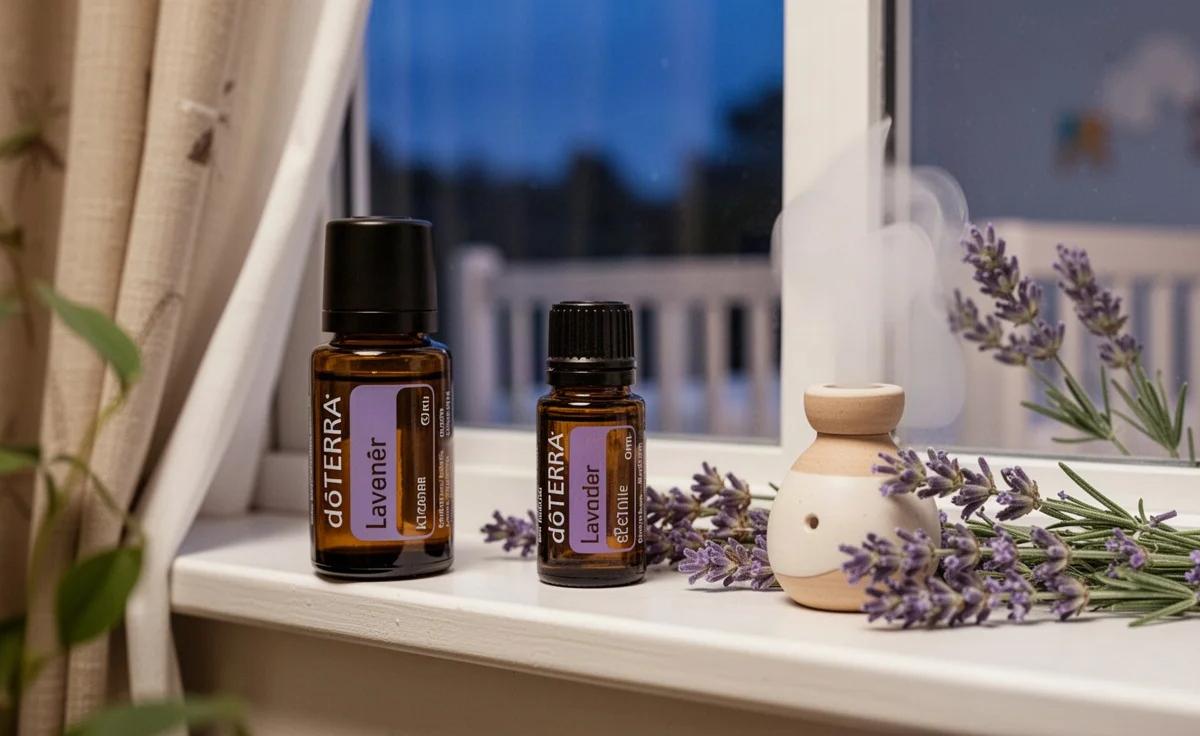
When the goal is a calm evening, certain single oils tend to be the most popular among parents we know. Lavender is the classic starting point for many. Its scent is grounding without being sharp. Serenity is a pre-blended option designed specifically for a peaceful mood, often used in evening rituals. Both are lovely diffused in a shared family space.
It is worth noting what we tend to avoid around the very young. Strong, menthol-heavy oils like Eucalyptus and Peppermint are best kept away from a child's bedroom, and even from shared spaces that are poorly ventilated. We keep those for the adults and leave the kids' rooms to the softer aromas.
A Simple Bedtime Diffuser Ritual
The real value of a calming oil is repetition. The brain learns that a specific scent, at a specific time, means the day is winding down. Here is a sequence that has worked well in our experience:
- Start the diffuser in the child's room about 30 minutes before bedtime, while you are still reading or doing quiet play in the living room.
- Use just 3 drops of Lavender or Serenity per 100 ml of water. That is plenty for a child's space.
- Turn the diffuser off after 30 minutes. A constantly running diffuser saturates the air and loses its effect.
- Bring your child into the room only after the session has finished and the room has been aired out.
Choosing the Right Option
| Oil | Aroma Profile | Why Parents Choose It |
|---|---|---|
| Lavender | Floral, soft, sweet | A gentle classic for wind-down time |
| Serenity | Warm, herbal, grounding | A ready-made blend for peaceful moments |
Both are meant for the air, not for a child's skin. Under age two, we do not recommend applying any essential oil to a child's skin without a pediatrician's direct guidance. Diffusing a small amount in a separate, airy room is the safer path for younger kids.
Our Most Important Habit
We always keep bottles out of reach and capped tightly. We also remind ourselves that oils are an atmosphere tool, not a substitute for a consistent bedtime or medical advice. If sleep struggles persist, your pediatrician is the best first call. For more on this topic, see our guide on gentle essential oils for kids sleep.
Common Mistakes That Undo a Calming Bedroom
Even a perfect oil choice can be undercut by the environment around the diffuser. The most common mistake we see is over-diffusing. Parents, tired and hoping for a quicker result, add more drops or run the unit longer. This often backfires. A saturated room can feel heavy, even mildly irritating to a child's sensitive nose, making them more restless, not less. Stick to a short, light session.
Another misstep is introducing the scent only when there is a problem. If the first time your child smells Lavender is on a night when they are already overtired and crying, the scent may become associated with that stress. Instead, start diffusing on calm evenings, or even during quiet daytime activities, so the aroma builds only positive, relaxed memories.
Finally, some parents place the diffuser too close to the crib or bed. The child gets a concentrated burst rather than a gentle background scent. Place the unit across the room, ideally near the door, and angle it away from the sleeping area.
Turning a Diffuser Session into a Wind-Down Cue
The oil is not the signal; the routine is. The oil simply amplifies a routine you already have. To make the scent cue work harder for you, pair it with one fixed, repeatable sensory anchor. For example, while the diffuser runs in the child's room, dim the lights and put on the same quiet, lyric-free piano track every night. The combination of scent, light, and sound builds a layered cue that tells the brain: this is the wind-down zone.
An easy actionable tip: give your child a small, predictable role in the ritual. A three-year-old can press the diffuser button with you or choose between two pre-approved soft blanket textures. This small agency reduces bedtime resistance because they feel part of the process rather than a passive recipient of "being put to bed." The aim is not more tools, but fewer variables. Keep the sequence identical for at least two weeks before evaluating whether it is helping; switching oils or routines nightly prevents the brain from ever forming the association you want.
Related reading
Frequently Asked Questions
Can I put calming oils on my child's pillow?
We do not recommend it. A small, 30-minute diffuser session with the door open is a more controlled option.
Which oil is gentlest for a child's room?
In our experience, Lavender and Serenity are the two most commonly chosen for a softer evening atmosphere.
Should I diffuse all night long?
No. Diffusing for 30 to 45 minutes before bed, then turning the unit off, is a better habit.
Are Peppermint and Eucalyptus okay for kids?
We keep those away from young children's rooms. They are strong and best reserved for adult use.
When should I ask a pediatrician?
Always check with your pediatrician before introducing any oil around your child, especially for babies and toddlers.
Conclusion
A calming oil is a small piece of a larger bedtime puzzle. It works best as a consistent scent cue paired with a predictable routine. Choose gently, diffuse briefly, and always keep your pediatrician in the loop.
This content is for general information only and is not medical advice. Essential oils are not intended to diagnose, treat, cure, or prevent any disease; always consult a pediatrician before any use involving babies or children.