Best doTERRA Oils for Kids Bedtime Routine Sleep
Discover gentle doTERRA oils for a calm kids bedtime routine. Simple diffuser ideas, safety tips, and the best blends for sleep, without the fuss.
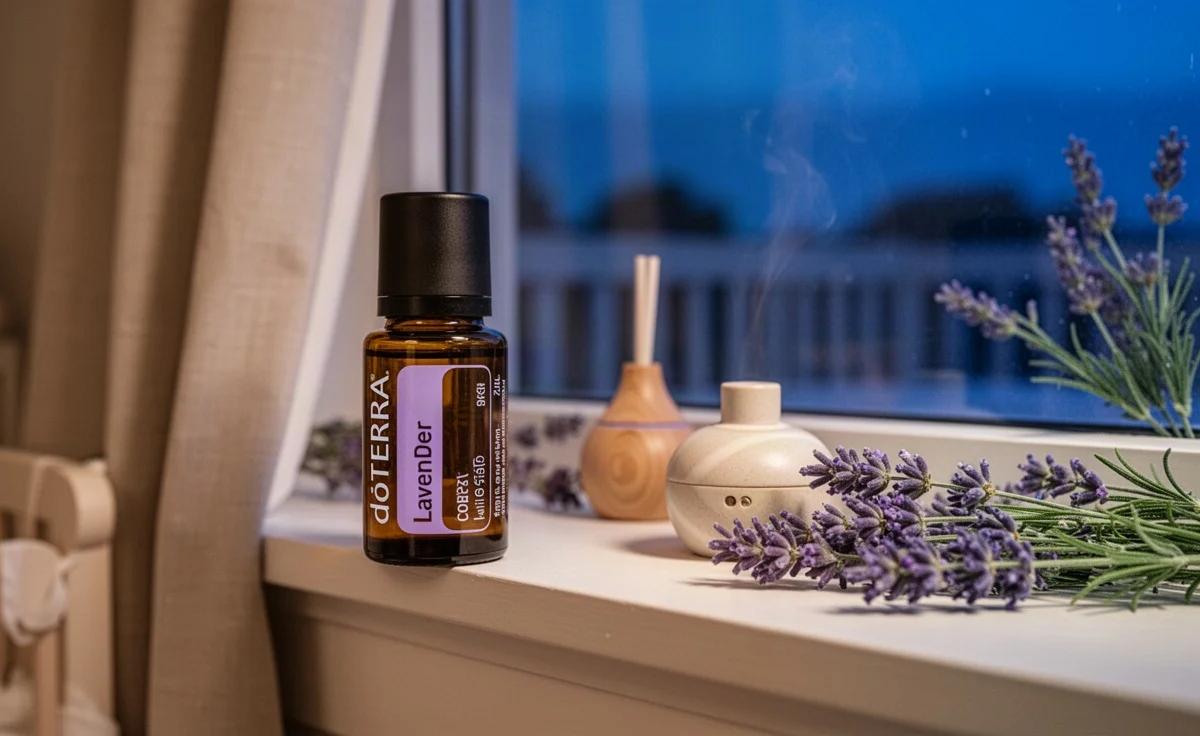
Best doTERRA Oils for Kids Bedtime Routine Sleep
By the LittleSynergy Team — moms, Wellness Advocates & doTERRA enthusiasts
If bedtime at your house feels like a tiny wrestling match followed by negotiations, you are not alone. The good news is that a simple, repeatable evening ritual with gentle aromas can help everyone wind down. The best doTERRA oils for a kids bedtime routine are calming, soft-scented options like Lavender, Roman Chamomile, and the Serenity blend, diffused in a shared space before lights out. They support a cozy, predictable atmosphere rather than doing anything to "make" a child sleep. Keep amounts small, avoid strong minty or spice-heavy oils, and always check with your pediatrician first.
Gentle Oils We Reach For at Bedtime
When the house gets loud and the clock says it is time to settle, these are the aromas we have learned to trust for an easy, comforting mood.
Lavender
Lavender is the classic starting point. Its soft floral scent is widely loved and feels instantly familiar. For a bedtime blend that leans a little sweeter and more grounding, Serenity combines Lavender with warm, woody notes that many parents describe as a "cozy blanket" smell.
Roman Chamomile
Roman Chamomile has a delicate, almost apple-like aroma. It is a lovely alternative for kids who find Lavender too strong. Use it on its own or pair it with a drop of Lavender in the diffuser.
Vetiver and Cedarwood
These are deep, earthy oils that feel anchoring. They are not "pretty" floral scents, but in our experience, one drop of Vetiver mixed with Lavender creates a surprisingly calm, grounded atmosphere for older children.
A Simple 3-Step Bedtime Routine
The magic is in the repetition, not the number of drops. Here is the rhythm we recommend most often.
- Start the diffuser about 30 minutes before bedtime in a room you can air out. Use 3 drops of oil per 100 ml of water, and keep the session under 45 minutes.
- Keep lights low, voices soft, and screens away while the scent fills the space. Let the smell become a cue that the day is ending.
- Turn the diffuser off and open a window briefly before your child settles in. Same time, same scent, same order every night.
Comparing Our Favorite Bedtime Oils
| Oil | Aroma Profile | Best For |
|---|---|---|
| Lavender | Soft, floral, familiar | First-time users, most kids |
| Roman Chamomile | Delicate, apple-like | Kids who want something lighter |
| Serenity blend | Sweet, warm, grounding | A ready-made calming blend |
| Vetiver | Deep, earthy, anchoring | Older children, mixed with Lavender |
Safety Notes That Matter
Never apply essential oils to a child's skin without a pediatrician's guidance, especially for newborns and infants. Keep strong oils like Peppermint, Eucalyptus, and Cinnamon away from young children and out of their bedrooms. Always follow doTERRA's product labels and age guidance, and store every bottle out of reach. For more on gentle options, read our full guide to essential oils for kids sleep.
Common Mistakes That Quietly Undermine Bedtime Diffusion
The most common error we see is running the diffuser continuously through the night in a closed room. Kids breathe more air per pound than adults do, and constant exposure can turn a pleasant scent into an overwhelming one. Another mistake is rotating three or four different oils every night "to see what works." The brain cannot build a bedtime association if the cue keeps changing. Pick one scent and stick with it for at least two weeks before judging whether it helps. Finally, avoid placing the diffuser too close to the crib or bed — place it across the room, elevated, where the mist disperses gently rather than concentrating around a sleeping face.
A "Scent Story" Trick for Reluctant Sleepers
For children who are old enough to engage, try pairing one calming oil with a short, personalized bedtime story that uses the scent as a character. For example, with Lavender, you might say, "Let's take three slow breaths of the purple flower smell — one for your busy hands, one for your fast feet, and one for your thinking brain." This gives the child a simple, active role rather than asking them to passively wait for sleep. Over time, the sensory pairing of the smell plus the breathing pattern becomes a powerful wind-down anchor. Keep the ritual under five minutes, use the same phrasing each night, and let the predictability create a feeling of safety that invites rest.
Frequently Asked Questions
Can I diffuse essential oils in my child's bedroom?
It is better to diffuse in a shared, well-ventilated space before bedtime rather than in a closed nursery. Turn the diffuser off before your child enters the room to sleep.
Which doTERRA oil is best for a child who won't settle?
Many parents start with Lavender because it is soft and widely liked. If that feels too strong, Roman Chamomile is a gentle alternative worth trying.
How many drops should I use for a child?
For ambient diffusion, 3 drops per 100 ml of water is a sensible starting point for kids, less than you would use for an adult. Never guess amounts for skin use, and ask your pediatrician.
Is it safe to use oils on a child's skin at bedtime?
Not without professional input. Very young children have sensitive skin, so topical use should only happen with a pediatrician's advice and generous dilution.
Are there oils to avoid around children?
Yes. Peppermint, Eucalyptus, Rosemary, Wintergreen, and spice oils like Cinnamon and Clove are best kept away from young children, especially around the face and in the bedroom.
A calm bedtime is built on routine more than on any single product. Pick one gentle doTERRA oil, use it lightly and consistently, and let the ritual do the work.
This content is for general information only and is not medical advice. Essential oils are not intended to diagnose, treat, cure, or prevent any disease; always consult a pediatrician before any use involving babies or children.