Essential Oils for New Moms Anxiety and Sleep
Gentle essential oil routines for postpartum anxiety and sleep. Calming diffuser blends, bedtime rituals, and safe self-care for new moms. A practical guide.
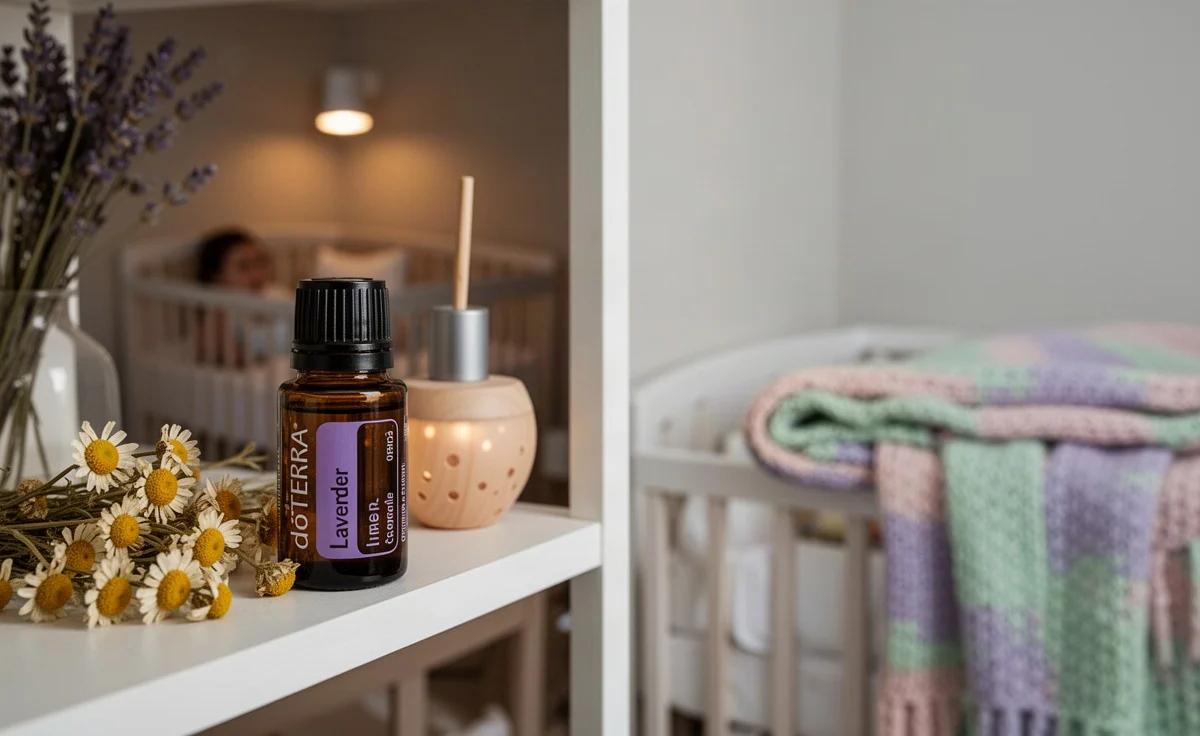
Essential Oils for New Moms Anxiety and Sleep
By the LittleSynergy Team — moms, Wellness Advocates & doTERRA enthusiasts
You're running on two hours of broken sleep and the baby just fell asleep, but your mind won't stop racing. That's the moment every new mom knows, and it's the reason essential oils can feel like a small, gentle reset. For postpartum anxiety and sleep, the most practical approach is a short evening diffuser routine with calming oils like Lavender and Bergamot, plus a bedtime ritual around scent. It won't replace rest, support, or professional help, but it creates a cue for your body to slow down.
The Evening Ritual That Actually Helps
The power isn't in one magic drop. It's in repetition. When you diffuse the same gentle scent at the same time each evening, your brain starts to associate that aroma with windings. That's why new moms often find a simple routine works better than trying many different oils.
Step by step evening reset:
- Around 30-45 minutes before bed, add 3 drops of a calming oil to your diffuser with 100 ml of water.
- Keep the session under 45 minutes in a well-ventilated room, then switch it off.
- Pair the scent with one grounding habit: warm herbal tea, slow breathing, or writing down tomorrow's to-do list.
- Repeat at the same time every night for at least a week.
Choosing Gentle Oils for Postpartum Calm
| Oil | Aroma Profile | Best Used For |
|---|---|---|
| Lavender | Soft, floral, classic | Evening diffusing, bedtime cue |
| Bergamot | Light citrus, calm | Uplifting calm during day |
| Serenity | Warm, soothing blend | Bedtime ritual when you want no decisions |
| Balance | Grounding, woody | When everything feels scattered |
Lavender is the first oil most of us reach for because it feels instantly familiar and soft. Bergamot brings a gentle brightness without the sharp edge some citrus oils have. If choosing feels like too much, Serenity is our honest shortcut: it's already blended for the evening, so there's one less decision on an exhausted brain.
What We Recommend Most
In our experience, new moms benefit most from one diffuser on the bedside table or dresser, set up before the baby's last feed so it's already running when you finally sit down. Diffusing 3 drops per 100 ml of water for 30 minutes is plenty. There's no benefit to running it all night, and a saturated room can actually feel heavy.
Before using any essential oil while postpartum, especially if breastfeeding, check with your doctor or midwife. Scent enters shared spaces, so follow doTERRA's label guidance and keep bottles out of reach of little hands. For a deeper look at oils during the baby blues season, we've written a fuller guide on essential oils for postpartum anxiety and baby blues.
Mistakes That Quietly Undermine Your Evening Routine
The most common mistake we see is diffusing for too long. After about 45 minutes, your nose adapts and you stop noticing the scent — but the room stays saturated, which can feel sticky or heavy at 3 a.m. when you're already overstimulated. Another trap is switching oils every night. Your brain needs repetition, not variety, to form the wind-down cue. Pick one oil for the first ten nights before you judge whether it "works."
Equally important: don't place the diffuser right next to your pillow. Strong, direct airflow can irritate eyes or make your throat feel scratchy when you're already sleep-deprived. Put it on a dresser across the room at waist height, and make sure the babies sleep space stays separate from any active diffusing.
A One-Minute Reset When There's No Time to Diffuse
Some nights you won't even get the diffuser switched on. That's fine; the ritual can shrink without disappearing. Keep a pre-diluted roll-on or a single drop of Lavender on a cotton pad inside your nightstand drawer. When you finally lie down but your mind keeps spinning, press the cotton pad once to your chest and take three slow inhales — in for four counts, out for six. The scent is faint but familiar, and the counting occupies the anxious loop just enough to let tiredness in.
This works because you're borrowing the same association you built with the full diffuser routine. The cue is already wired; you're just delivering it in a smaller package. Keep a second cotton pad ready before the last feed so there's zero setup when exhaustion hits.
Related reading
Frequently Asked Questions
Can I diffuse essential oils around my newborn?
Newborns and infants should not be in the room while a diffuser is running. Diffuse in a separate, ventilated space and wait until the session ends and the room airs out before bringing the baby back in. Ask your pediatrician for guidance specific to your situation.
Which essential oil is best for postpartum anxiety?
There is no single best oil, and oils do not treat anxiety. Many moms find the routine of diffusing soft florals like Lavender or grounding blends like Balance helps create a calmer evening atmosphere. What works is personal, so start with one and notice how the ritual feels.
Can I use essential oils while breastfeeding?
Every situation is individual. Talk with your doctor or midwife before using any essential oil while breastfeeding, and follow the product label. Diffusing in a separate space from the baby is generally a cautious starting point, but professional guidance matters most.
How many drops should I use in the diffuser as a new mom?
A gentle amount is 3 drops per 100 ml of water, diffused for 30 to 45 minutes in a ventilated room. Less is genuinely more when you're postpartum and sensitive to strong scents.
Are essential oils a substitute for postpartum mental health support?
No. Essential oils support atmosphere and ritual. If anxiety feels overwhelming or you are struggling with sleep, that conversation belongs with your doctor, midwife, or a mental health professional. Support is not something you have to earn by trying aromatherapy first.
A few drops and a consistent evening cue can create space you didn't think you had. Keep it simple, stay cautious, and let the ritual carry more weight than the oil itself.
This content is for general information only and is not medical advice. Essential oils are not intended to diagnose, treat, cure, or prevent any disease; always consult a pediatrician before any use involving babies or children.