doTERRA Oils for Baby Gas and Colic Relief
Wondering about doTERRA oils for baby gas and colic relief? Learn gentle options, safety rules, and what to ask your pediatrician first. A practical guide with.
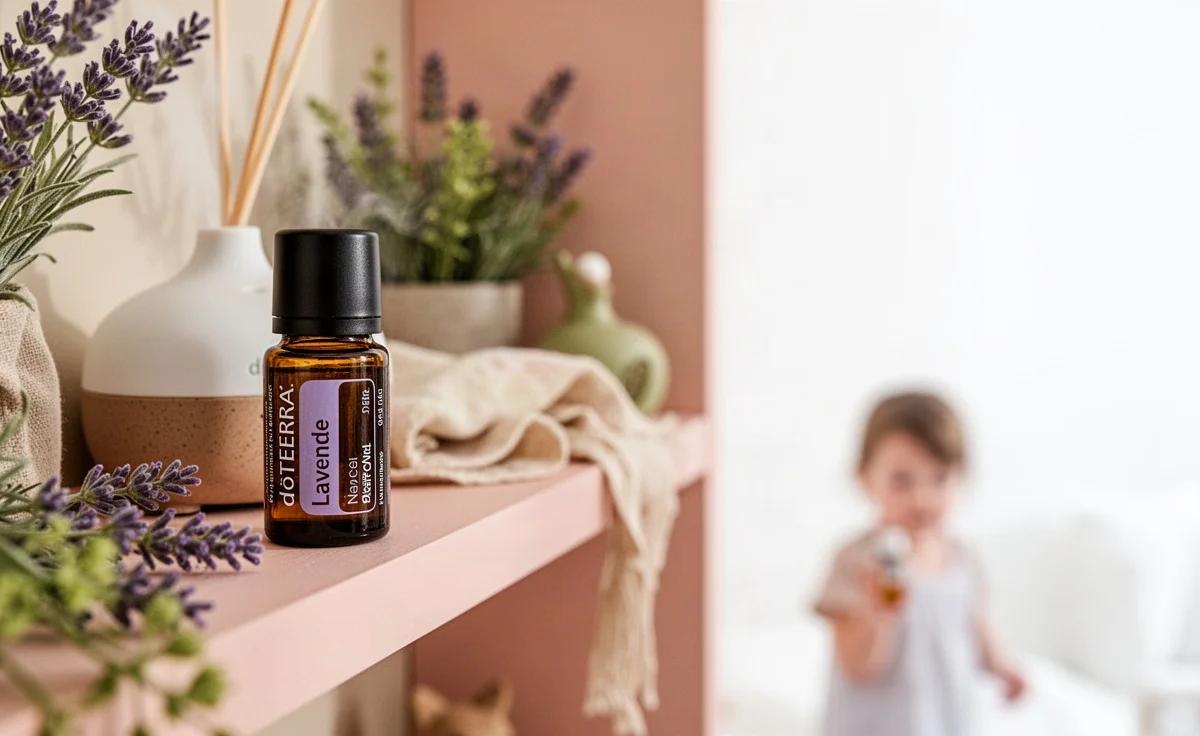
doTERRA Oils for Baby Gas and Colic Relief
By the LittleSynergy Team — moms, Wellness Advocates & doTERRA enthusiasts
You are running on three hours of sleep, bouncing a crying baby, and someone just mentioned essential oils for colic. If you are reading this, you are probably wondering whether doTERRA oils can help your little one feel more comfortable, and honestly, that is a fair question. Here is the direct answer: essential oils are not a treatment for gas or colic, and they should never replace pediatric care. What many parents do is use very gentle oils like Lavender or Roman Chamomile in a diffuser, in a shared family space, to create a calm atmosphere during fussy evenings. Always talk to your pediatrician before using any oil on or around a baby.
What Parents Actually Do
When a baby is uncomfortable, the instinct is to fix it fast. Gentle aromatherapy is not a fix, but many parents find that a calm room helps everyone settle. In our experience, the most common approach is diffusing a soft floral oil in the living room while holding or rocking baby, never applying it to the skin and never diffusing in a nursery with the door closed.
| Oil | Typical Parent Use | Notes |
|---|---|---|
| Lavender | Diffused in shared space | Soothing, floral, beginner friendly |
| Roman Chamomile | Diffused in shared space | Soft, apple-like scent, traditionally calming |
| Sweet Fennel | Avoid, adult use only | Traditionally linked to digestion, not for little ones |
What to Keep Away from Babies
Some oils are not appropriate around young children, even diffused. Peppermint, Eucalyptus, Rosemary, and Wintergreen contain strong compounds best kept away from babies and very young children. Cinnamon, Clove, Oregano, and Thyme are also not suitable on or near a child. Name these as plain text, do not link them, and ask your pediatrician before using anything new.
A Gentle Evening Routine
Here is what a cautious, parent-to-parent routine can look like:
- Check with your pediatrician first, every time you introduce something new.
- Choose one gentle oil, like Lavender, and diffuse 2-3 drops per 100 ml of water in a large, ventilated shared room.
- Keep the diffuser away from baby, run it for 30 minutes, then turn it off and air the room.
- Always store oils out of reach of children.
For more on this, see our article on gentle oils for newborn gas and colic relief.
How to Tell if Your Setup Is Too Strong
Even a gentle oil can become overwhelming if the amount, distance, or timing is off. One of the easiest mistakes to make is assuming that because Lavender smells soft to you, a baby experiences it the same way. Babies have a developing sense of smell and a much smaller body mass, so a scent that feels mild in a large living room can still be intense when a diffuser is placed on a shelf directly above a bassinet.
A practical rule we use and share with other moms is the "arm's length and nose height" test. Stand where the baby spends most of their time, at roughly the height of a crib or play mat, and notice whether the scent feels faint or strong. If you can clearly smell the oil from that spot, move the diffuser farther away or reduce the number of drops. If you cannot smell it unless you lean close to the diffuser, that is usually a safer starting point.
Watch for subtle cues that the scent is not agreeing with your baby. These can include increased fussiness, rubbing the face or nose, sneezing, watery eyes, or a change in breathing that seems faster or more nasal. These are not always dramatic, but they are worth noticing. If anything seems off, turn the diffuser off, open a window, and step outside with your baby for a few minutes. Try again another day with half the amount or a shorter run time.
Common Mistakes When First Trying Oils at Home
A lot of parents unintentionally create problems by treating aromatherapy like a quick fix. Here are the patterns we see most often, along with small adjustments that make a big difference.
Mistake 1: Diffusing in a closed room before bedtime. It feels logical to prepare the nursery with a calming scent, but a closed door traps the oil particles in the air. Instead, diffuse in the main living area during the fussy evening window, and keep the nursery fresh and unscented for sleep.
Mistake 2: Adding more drops because the scent seems too faint. More is not better with babies. Two or three drops in a large room is usually enough. If the scent is faint, bring the diffuser a little closer to the adult rocking chair, not closer to the baby.
Mistake 3: Switching oils too quickly. If you try Lavender one night and Roman Chamomile the next, it becomes hard to know what is helping or whether a reaction is connected to a specific oil. Use one oil for several nights in a row before deciding whether it fits your routine.
Mistake 4: Placing the diffuser on the floor near a crawling baby or a pet. Warm mist, water, and cords are tempting for little hands and paws. Keep the diffuser on a stable, elevated surface with the cord tucked away, and always unplug it when you leave the room.
Frequently Asked Questions
Can essential oils cure colic? No. Essential oils are not a cure or treatment for colic, gas, or any medical condition in a baby.
Can I put doTERRA oil on my baby's tummy? No. Never apply essential oils to a baby's skin without direct pediatric guidance. Even diluted oils are not appropriate for the very young.
Which doTERRA oil is gentlest for a calm room? Many parents reach for Lavender or Roman Chamomile because their soft scents feel familiar and peaceful in shared spaces.
Can I diffuse oils in the nursery? It is better to diffuse in a large, ventilated room the baby is not confined to, and never leave the diffuser running continuously.
Should I avoid any oils around babies? Yes. Peppermint, Eucalyptus, Rosemary, Wintergreen, Cinnamon, Clove, Oregano, and Thyme are best kept away from babies and young children.
The bottom line is simple: focus on comfort, calm, and your pediatrician's guidance. Oils can support a peaceful atmosphere, but your baby needs your presence more than anything.
This content is for general information only and is not medical advice. Essential oils are not intended to diagnose, treat, cure, or prevent any disease; always consult a pediatrician before any use involving babies or children.