Safe Essential Oils for Toddlers with Colds
What parents should know about using essential oils around toddlers with colds, plus gentle diffusing ideas and when to call the pediatrician.
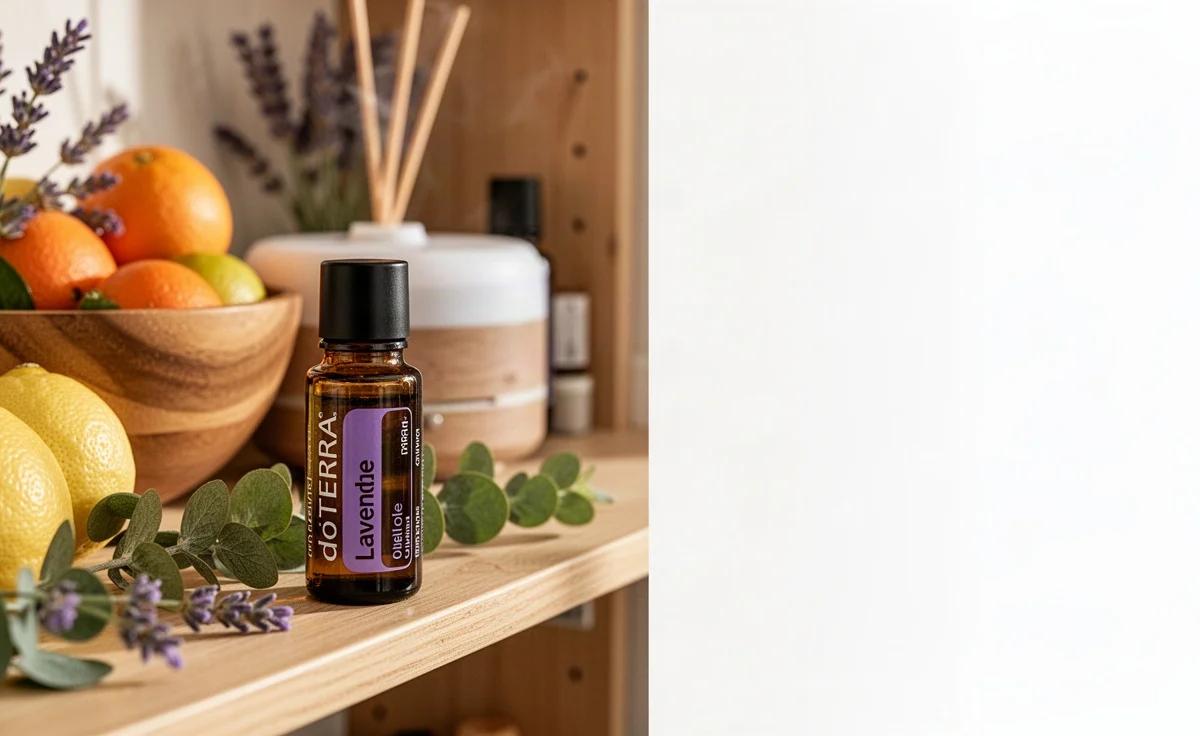
Safe Essential Oils for Toddlers with Colds
By the LittleSynergy Team — moms, Wellness Advocates & doTERRA enthusiasts
You are three nights into a stuffy-nose season, the humidifier is running, and you are wondering if there is anything else you can do to make the room feel a little more comfortable. When a toddler has a cold, many parents turn to gentle aromas to make bedtime cozier. The direct answer is that no essential oil treats a cold, but some mild options, diffused sparingly in a well-ventilated shared space, can simply make the air feel fresher and the room calmer. For toddlers, the gentlest approach is almost always diffusion, not skin application, and the conversation should always start with your pediatrician.
What Many Parents Diffuse During Cold Season
The idea is comfort, not treatment. A soft, familiar scent in the living room can make an ordinary evening feel a little more settled. These are the oils we see most often in family spaces during sniffly weeks:
| Oil | Why Parents Reach for It | Notes for Toddlers |
|---|---|---|
| Lavender | Calming, soft, widely loved | Diffuse sparingly, short sessions |
| Lemon | Bright, fresh, uplifting | Avoid sun-exposed skin |
| Sweet Orange | Cheerful, gentle aroma | A favorite for shared spaces |
| Frankincense | Warm, grounding, subtle | Diffuse in well-ventilated rooms |
A Lavender diffused at a low level is a classic starting point. Some moms also enjoy a light Wild Orange in the afternoon playroom, just to lift the mood without any strong, medicinal scent.
A Simple Diffusing Routine for Shared Spaces
When a toddler is congested, less is more. Here is the step-by-step approach we suggest:
- Start with a clean, open room, not a closed nursery.
- Use 3 drops per 100 ml of water in the diffuser.
- Run the diffuser for 30 minutes, then turn it off.
- Let the room air out before the toddler spends long stretches there.
- Watch how your child responds, and ask your pediatrician before repeating regularly.
This is a comforting ritual, not a remedy. For more on gentle options during colds, we have a fuller guide on gentle essential oils for kids with colds.
What to Avoid Around Toddlers
Some oils are best kept away from young children entirely during cold season. These include Peppermint, Eucalyptus, Rosemary, and Wintergreen, as well as blends built on them like Breathe or On Guard. They can feel intense for small airways. Also skip Cinnamon, Clove, Oregano, and Thyme on children's skin. Citrus oils like Lemon are lovely in the air, but keep them off skin that will see sunlight. Always dilute anything topical with a carrier oil, store bottles out of reach, and follow doTERRA's product labels and age guidance.
Reading Labels More Carefully With Toddlers in the House
Many parents assume that because an oil is labeled “pure” or “natural,” it is automatically gentle enough for a toddler’s space. In practice, the label you need to read most closely is the usage and safety guidance, not the front-of-bottle marketing. Two common oversights that come up in our community:
Confusing “kid-friendly” blends with “toddler-specific” blends. Some blends marketed for “kids” still contain Eucalyptus or Peppermint at lower dilutions. For a two- or three-year-old, even a small amount can feel sharp in a stuffy room. Look at the full ingredient list, not just the name of the blend.
Ignoring diffuser placement. A diffuser placed on a low shelf right next to the playmat is very different from one placed across the room near a cracked window. For toddlers, distance matters as much as drop count. Keep the diffuser out of reach, and keep the mist away from the child’s immediate breathing zone.
A quick habit that helps: photograph the oil label and the safety insert on your phone before the cold season starts, so you can double-check guidance at 2 a.m. without fumbling for the box.
What a “Good” Diffusion Session Looks Like With a Toddler
Parents often ask how they will know if they have used too much. With toddlers, the goal is that the scent is barely noticeable when you walk into the room — like a faint, clean background note, not a strong fragrance. If you can smell the oil from the hallway, you have likely used too much or run the diffuser too long.
Signs a session was too strong include watery eyes, more fussiness than usual, rubbing the nose, or a toddler who suddenly wants to leave the room. None of these mean the oil is “bad” — they mean the room needs more air and less aroma. A good reset is to turn off the diffuser, open a window for five minutes, and wait a full day before trying again with one fewer drop.
For most families, one 30-minute session in the morning and one in the early evening is more than enough. The rest of the day should be scent-free so the room has time to return to normal.
Frequently Asked Questions
Can essential oils help my toddler's cold? No oil treats or cures a cold. They can only add a pleasant aroma to a shared space while you follow your pediatrician's advice for comfort and care.
Is it better to diffuse or apply to skin for a toddler? Diffusing in a well-ventilated shared room is generally the more cautious choice. Skin application for young children is best left to a pediatrician's guidance.
How many drops should go in the diffuser around a toddler? A common starting point is 3 drops per 100 ml of water for 30 minutes. Always less than for an adult, and never in a closed nursery.
Which oils should we avoid when our toddler has a cold? Avoid Peppermint, Eucalyptus, Rosemary, Wintergreen, Cinnamon, Clove, Oregano, and Thyme around young children. Name them, skip them, and ask your pediatrician.
When should I talk to a doctor? Any time a cold worries you. Difficulty breathing, prolonged fever, or a cough that worsens are all reasons to call your pediatrician right away.
A Comforting Ritual, Not a Cure
A gentle scent in the living room will not fix a cold, but it can make the evening feel a little softer. Keep sessions short, rooms airy, and your pediatrician in the loop.
This content is for general information only and is not medical advice. Essential oils are not intended to diagnose, treat, cure, or prevent any disease; always consult a pediatrician before any use involving babies or children.