Is doTERRA On Guard Safe for Kids? Our Review
Wondering if doTERRA On Guard is right for your family? We break down the blend, the cautions, and what parents should know before using it.
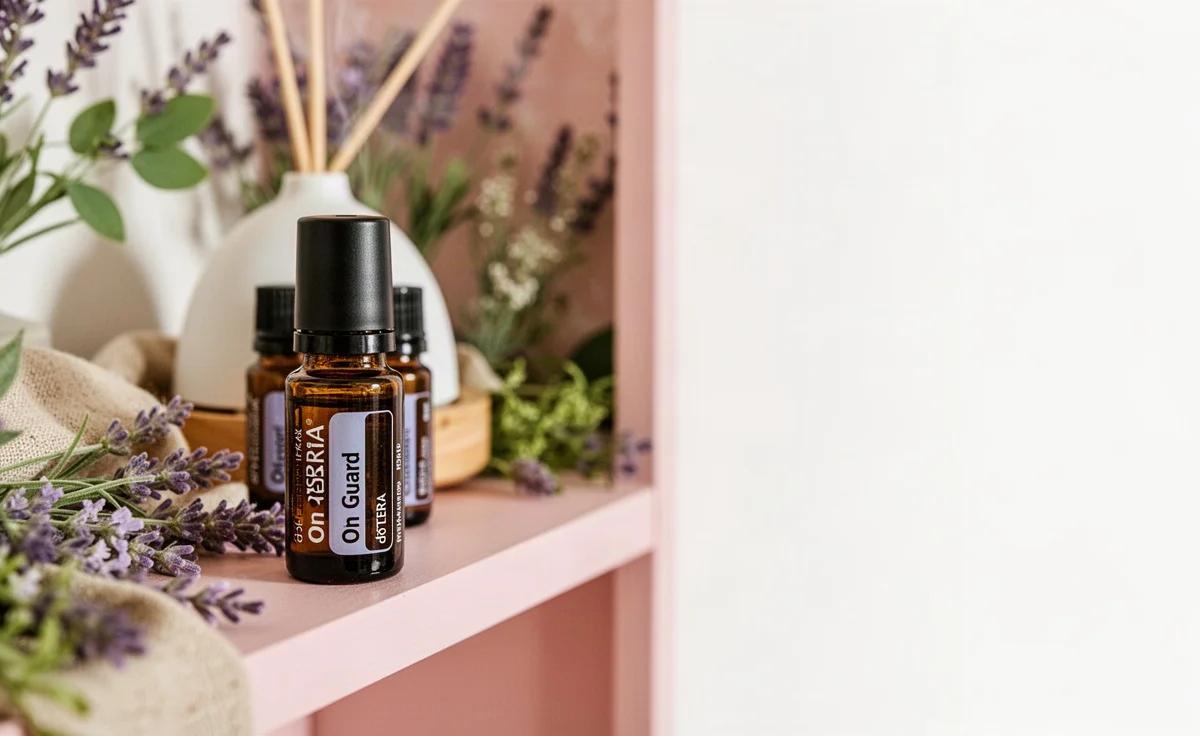
Is doTERRA On Guard Safe for Kids? Our Review
By the LittleSynergy Team — moms, Wellness Advocates & doTERRA enthusiasts
You've probably seen that little brown bottle on a friend's kitchen counter and wondered if it could work in your home too. Here is our honest take: On Guard is a potent, warming blend built on cinnamon, clove, and eucalyptus, three oils that many parents choose to keep away from young children's skin and faces. That does not mean it has no place in a family home, but it does mean the answer to "is it safe for kids?" is not a simple yes. It depends on how you use it, where, and around whom.
What Is Actually in On Guard?
The blend combines cinnamon bark, clove bud, eucalyptus, rosemary, and wild orange. Two of those (cinnamon and clove) are what aromatherapists call "hot" oils, meaning they can feel intense or irritating on delicate skin. Eucalyptus and rosemary are high in 1,8-cineole, a compound most experts recommend keeping away from the face of the very young.
This does not make On Guard a bad product. It simply means it is a strong blend best used thoughtfully in shared family spaces, not on a child's body.
What We Like About It
Here is where On Guard shines for parents:
- It fills a room with a warm, spicy, clean scent that feels like autumn baking.
- A little goes a long way, so one bottle lasts for months.
- Many parents use it in a diffuser in the kitchen or living room when the house feels stuffy or after guests leave.
- The On Guard blend pairs well with gentler oils like Lavender to soften the aroma.
What Gives Us Pause
The honest cons:
- Cinnamon and clove can irritate sensitive skin, so we would not apply this blend to a child's skin, even diluted.
- Eucalyptus and rosemary are not our first choice around newborns and infants.
- The scent is strong. In a small, closed bedroom it can feel overwhelming quickly.
- If you want a gentle bedtime blend for a child's room, there are better matches.
How We Would Use It Around Kids
If you want to try On Guard in a family home, here is the cautious path:
- Diffuse in a shared, well-ventilated space like the living room, not a nursery.
- Keep sessions short and use fewer drops than you would for an adult room.
- Let the room air out before a baby or toddler spends time in it.
- Never apply it to a child's skin, and always ask your pediatrician before using any new oil around your little one.
A quick comparison to show where On Guard fits:
| Use | Gentler Option | On Guard |
|---|---|---|
| Child's bedtime diffuser | Lavender, Balance | Not ideal |
| Shared family room, short sessions | Wild Orange | Yes, sparingly |
| On a child's skin | Avoid entirely | Avoid entirely |
| Adult's own use | Any blend | Yes |
If you are comparing it with similar blends, our full breakdown of doTERRA On Guard vs Thieves for Kids goes deeper into the differences.
Common Mistakes Parents Make with On Guard
The most frequent error we see is assuming that because a diffuser is running in a large room, the oil concentration is automatically safe. Diffuser output varies hugely, and ultrasonic models can saturate a space faster than a passive reed diffuser. Another mistake is placing the diffuser on a low shelf or side table where a toddler can reach it, knock it over, or put wet hands near the mist. In our homes, we treat the diffuser like a hot pan: up high, at the back of a counter, and unplugged when not actively supervised.
Some parents also forget that scents cling to fabric. Curtains, couch cushions, and blankets can hold the spicy aroma of On Guard long after the diffuser turns off, which means a child napping on that sofa hours later is still breathing the residual mist. If you plan to diffuse in the afternoon, allow at least thirty minutes of open-window airing before anyone small settles into that space for rest.
Safer Alternatives That Still Feel Cozy
If you love the cinnamon-clove warmth but want a child-friendlier route, consider building your own aroma profile with single oils. A drop of Wild Orange and a drop of Cinnamon Bark in a diffuser can create a softer approximation without the eucalyptus and rosemary that concern us in On Guard. Another approach is to diffuse On Guard only during the day when kids are at school, then switch to Lavender or Cedarwood in the evening.
For a completely diffuser-free option, a bowl of hot water with a slice of orange and a single clove placed on the kitchen counter (out of reach) can deliver a similar cozy scent with no concentrated oil exposure at all. We have used this trick during holiday baking season, and it genuinely makes the house smell wonderful without requiring a single drop from any bottle.
Frequently Asked Questions
Can I diffuse On Guard in my child's bedroom?
We would not. The blend's eucalyptus and rosemary make it a better fit for a shared, airy space, and even then kept away from newborns and infants.
Is On Guard safe to put on a child's skin?
No. Cinnamon and clove are warming oils that can feel harsh on delicate skin. We keep this blend out of any child's topical routine.
What is a gentler doTERRA oil for a family home?
Lavender and Wild Orange are two of the most forgiving options for a pleasant, softer aroma in shared spaces.
Does On Guard keep kids from getting sick at school?
We cannot make that claim. Many parents use it for a fresh, clean-smelling home, but it is not a substitute for pediatric care or healthy habits.
Should I ask my pediatrician first?
Yes. Before using any essential oil on or around a child, check with your pediatrician and follow doTERRA's label guidance.
Our Verdict
On Guard is a powerful, beautifully scented blend, but we would not call it a children's oil. It suits adults and well-ventilated family spaces better than nurseries or small bedrooms. If you are drawn to its warm, spicy aroma, use it sparingly, away from little faces and skin, and keep gentler oils for the moments that are truly about calm.
This content is for general information only and is not medical advice. Essential oils are not intended to diagnose, treat, cure, or prevent any disease; always consult a pediatrician before any use involving babies or children.