doterra calming blend for kids nighttime sleep
A gentle look at doTERRA calming blends for kids' nighttime sleep, with diffuser tips, safe habits, and pediatrician-first guidance. A practical guide with.
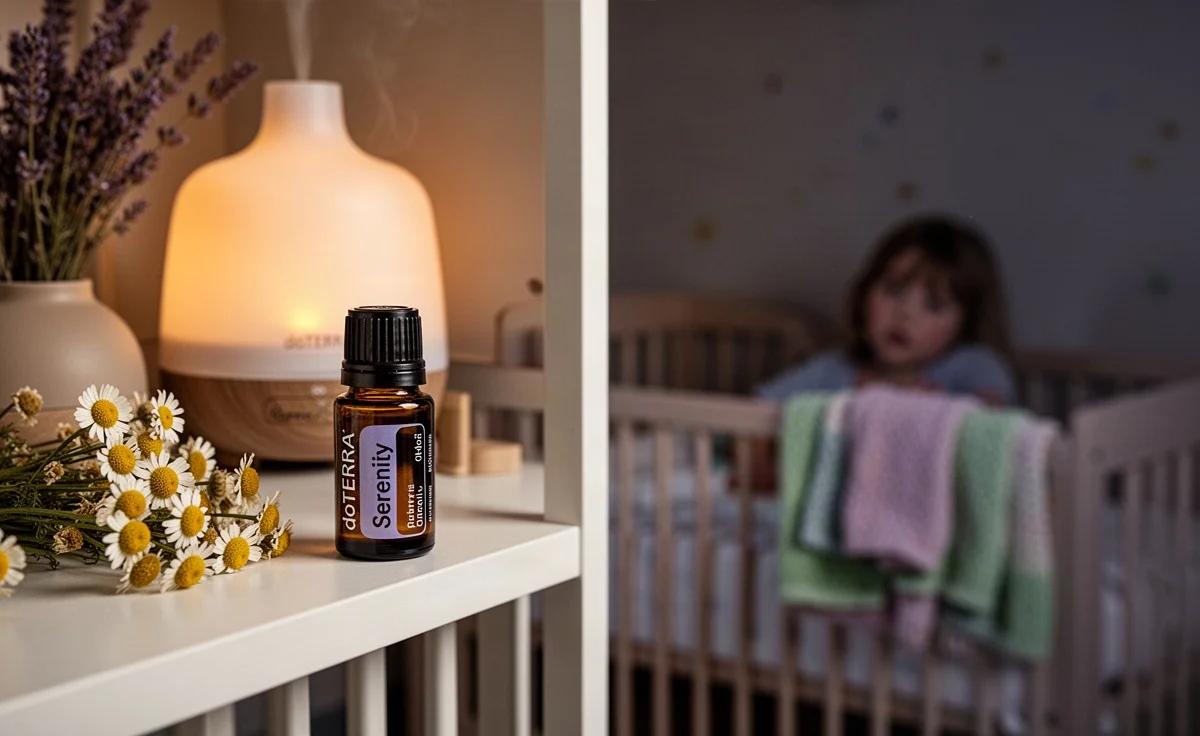
doterra calming blend for kids nighttime sleep
By the LittleSynergy Team — moms, Wellness Advocates & doTERRA enthusiasts
If you have ever stood in a dark hallway at 9pm wondering whether tonight will finally be the night everyone sleeps, you are not alone. The short answer is that many parents reach for gentle doTERRA blends to create a calmer, cozier bedtime atmosphere for kids, not as a remedy, but as a sensory cue that signals the day is ending. Diffusing a soft, soothing aroma in a shared family space, keeping amounts small, and always checking with your pediatrician first is the approach we recommend most often.
Why Parents Start with a Diffuser
What we recommend most often is starting with ambient diffusion rather than skin application. A diffuser turns a few drops of oil into a light, room-level scent that feels less intense and easier to control around children. It also avoids the dilution questions that come with topical use on young skin.
For a bedtime diffuser, gentle, non-menthol options tend to fit best. Many parents lean on lavender, Roman chamomile, or soft woody notes like cedarwood. doTERRA's Serenity blend is a popular starting point because it combines lavender, cedarwood, and other calming aromas into one ready-to-use bottle. If you already own Lavender, that single oil works beautifully on its own too.
| Blend or Oil | Aroma Profile | Why Parents Choose It for Bedtime |
|---|---|---|
| Serenity | Lavender, cedarwood, soft floral | Ready-made, gentle, easy to diffuse |
| Lavender | Sweet, herbal, classic | Single oil, versatile, widely loved |
| Roman Chamomile | Soft, apple-like, delicate | Feels light and soothing in small amounts |
| Cedarwood | Warm, woody, grounding | Adds a cozy, anchoring note |
A Simple Bedtime Diffuser Routine
The magic is in repetition, not in any single drop. Here is the step-by-step rhythm many families settle into:
- Start the routine about 30-45 minutes before lights out.
- Add 2-3 drops of a gentle blend to your diffuser with water.
- Run it in a shared family space, not directly beside a sleeping child.
- Air out the room briefly before your child settles in.
- Repeat the same scent and timing each night so it becomes a familiar cue.
We keep amounts small for kids, and for newborns or infants we skip diffusion in their sleep space entirely and focus on a calm, uncluttered environment instead.
Which Oils to Keep Out of a Kids' Bedtime Routine
Some oils, while wonderful for adults, are better kept away from young children's spaces. Peppermint, eucalyptus, rosemary, and wintergreen all contain strong aromatic compounds that can feel overwhelming when diffused around little ones. Blends built on those oils, such as Deep Blue or doTERRA Breathe, fall into the same category. We name them only so you can spot them, and we do not recommend them for this purpose.
Also keep cinnamon, clove, oregano, and thyme off children's skin. And citrus oils like lemon or wild orange, while cheerful, can make skin more sensitive to sunlight, so we avoid applying them before daytime play.
The Diffuser Placement Mistake Most Parents Make
Position matters more than the number of drops. Placing the diffuser on a high shelf across the room from the bed, rather than on a nightstand right next to a child's head, changes the entire experience. A mist that lands on bedding or pillows clings to fabric and keeps releasing scent through the night. Aim for a location at least three to four feet away from where your child actually sleeps, and point the mist toward the center of the room, not toward the bed.
Also check your water level before starting the routine. A half-full diffuser that runs dry mid-cycle can sputter and release a short, concentrated burst of aroma. That sudden intensity is exactly what you are trying to avoid. Refill the reservoir each evening and clean it weekly, because old water left sitting becomes a perfect hiding spot for mildew that will alter the scent and trigger stuffy noses.
Pairing Scent with a Predictable Wind-Down Cue
A scent works as a bedtime signal only when it arrives at the same moment every evening. Try pairing the first puff of mist with a specific, low-stimulation activity: dimming the hallway light, closing the curtains, or starting a three-minute audiobook chapter. The goal is for your child's brain to connect the aroma with the transition sequence, not just with lying down.
One practical idea is to hand your child a small, safe bedtime object before the diffuser starts—like a favorite soft book or a weighted stuffed animal—and say the same phrase each night, such as, "Time to get cozy." After a few weeks, the scent alone may trigger drowsiness because the routine has become automatic. Avoid pairing the aroma with screen time or energetic play, since that teaches the opposite association and works against the calming intent.
Frequently Asked Questions
Can I diffuse doTERRA calming blends in my child's bedroom all night?
No. Run the diffuser for 30-45 minutes before bedtime, then turn it off and air the room. Continuous diffusion saturates the air and adds nothing extra.
Is doTERRA Serenity safe for kids?
It depends on the child and the context. Many parents diffuse it in small amounts around older children, but newborns and infants need a different, more cautious approach. Ask your pediatrician and follow the product label.
Can I put calming oils on my child's skin before bed?
Topical use on children requires careful, individualized guidance from a pediatrician. For young skin, diffusion in a shared space is the gentler starting point.
What if my child dislikes lavender?
Try Roman chamomile or cedarwood, or simply diffuse nothing and focus on a warm, quiet routine. The scent is a support, never a requirement.
How many drops should I use?
For a child's shared space, 2-3 drops in the diffuser is plenty. For newborns or infants, skip diffusion in their sleep space.
A calm bedtime is built from small, repeatable rituals, and a gentle scent can be one of them. Keep it soft, keep it consistent, and always let your pediatrician guide what touches your child.
This content is for general information only and is not medical advice. Essential oils are not intended to diagnose, treat, cure, or prevent any disease; always consult a pediatrician before any use involving babies or children.