doTERRA Oils Safe for Kids, A Mom's Guide
Which doTERRA oils are gentle enough for kids? A warm parent-to-parent guide on safe diffusing, cautious use, and oils we keep away from children.
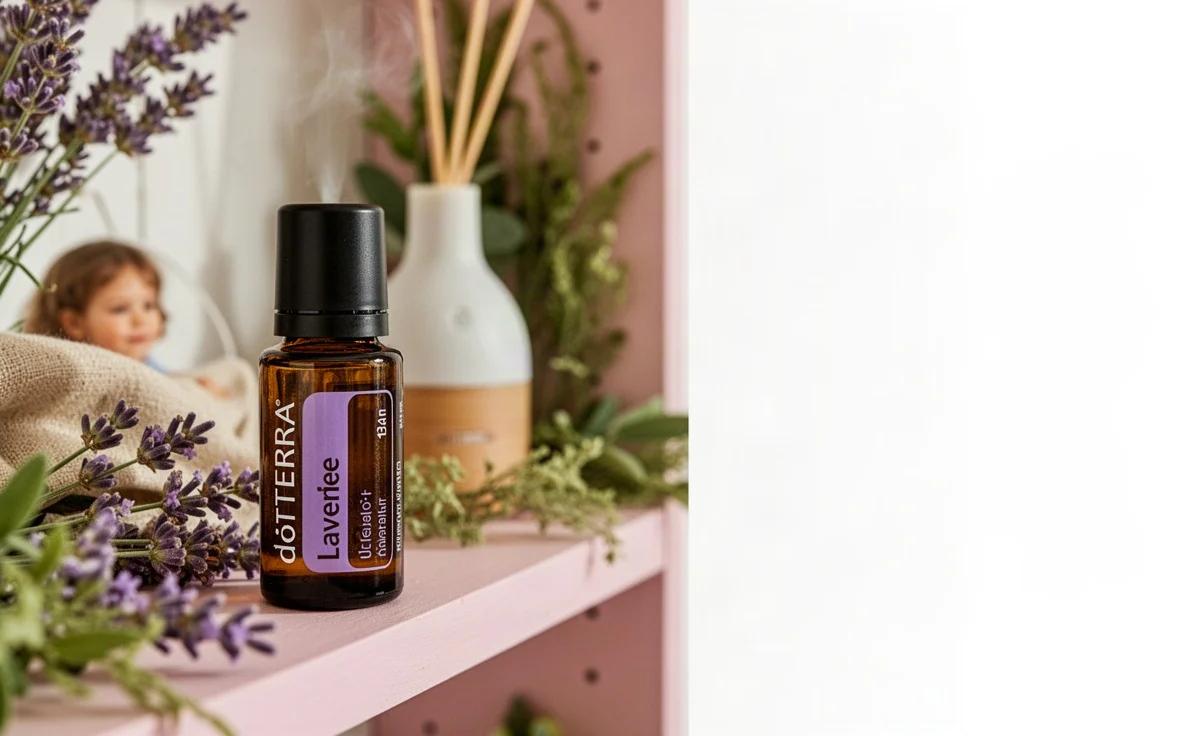
doTERRA Oils Safe for Kids, A Mom's Guide
By the LittleSynergy Team — moms, Wellness Advocates & doTERRA enthusiasts
If you are standing in front of your oil shelf wondering which little brown bottle is okay to diffuse while the kids do homework, I know that feeling of wanting to get it right. So let me say this plainly up front: there is no single list of doTERRA oils that are "safe for kids," because every child is different and every oil has its own profile. What there is, though, is a cautious, gentle way to enjoy essential oils in a family home. Many parents find that soft, floral, or woodsy oils like Lavender, Roman Chamomile, and Cedarwood feel the most comfortable to diffuse in shared spaces, in small amounts and with good ventilation. The real answer is always to check doTERRA's own guidance on kids and ask your pediatrician before using any oil on or around a child.
What We Diffuse in Our Family Spaces
When we talk about kids in the house, we mostly mean the diffuser, not the skin. Diffusing is the gentlest way to fill a shared room with a soft aroma without putting anything on a child's body. We keep the amount low, far less than for an adult, and we never run the diffuser for hours on end. A few drops in a well-ventilated living room or kitchen feels different from a closed nursery.
The oils we reach for most often in shared spaces are:
- Lavender, for a soft, calm evening smell
- Roman Chamomile, delicate and almost apple-blossom sweet
- Cedarwood, warm and woodsy, nice in the afternoon
- Wild Orange, bright and cheerful, but only in a room without direct sun exposure on anyone's skin
Oils We Keep Away from Young Children
Some oils are genuinely beautiful for adults, but we do not use them around our little ones. This is not about being dramatic. It is about respecting the fact that small bodies and small airways are more sensitive than ours.
| Oil or Blend | Why We Keep It Away from Young Kids |
|---|---|
| Peppermint | High in menthol, too intense for small airways |
| Eucalyptus | High in 1,8-cineole, best avoided around little ones |
| Rosemary | Strong and camphor-like, not for nurseries |
| Wintergreen | Very high in methyl salicylate, we skip it |
| On Guard | Contains cinnamon, clove, eucalyptus, and rosemary |
We also avoid applying phototoxic citrus oils like Bergamot and cold-pressed Lemon on skin that will see sunlight, and we never put "hot" oils like Cinnamon, Clove, Oregano, or Thyme on a child's skin. These belong in the adult cabinet, not the family shelf.
A Simple, Cautious Routine for the Family
If you want a calm essential oil routine with kids in the house, here is the step-by-step mindset we use:
- Choose one gentle oil, like Lavender or Roman Chamomile, and start with that single bottle.
- Diffuse in a shared, ventilated space, never in a closed nursery or a newborn's room.
- Use far fewer drops than you would for yourself, and keep sessions short.
- Ask your pediatrician first before using any oil on or around your child, every time the situation changes.
- Store every bottle out of reach, capped, in dark glass away from heat and light.
For a deeper comparison of brands and their safety cultures for children, we wrote doTERRA vs Young Living Safety for Kids, and it may help you feel more grounded in your choice.
Common Mistakes Even Careful Parents Make
The most frequent mistake we see is not choosing the wrong oil, but choosing a good oil and using too much of it. A parent might love Lavender, so they add eight drops to a bedroom diffuser, close the door, and leave it running through a three-hour nap. That is an adult dose in a small enclosed space. With kids, the goal is a whisper of scent, not a wall of it. Two or three drops in an open room is usually plenty, and thirty to sixty minutes is a reasonable session.
Another slip happens with roll-ons and pre-diluted blends. A bottle might say "KidSafe" on the label, or a friend might call it gentle, and suddenly it gets rolled onto wrists and behind ears before bed. But children's skin is thinner and more permeable than adult skin, and a product designed for a ten-year-old is not automatically right for a two-year-old. If a blend is labeled for "kids," read the label carefully, check for any oils your pediatrician has flagged, and when in doubt, diffuse instead of apply.
A third mistake we made early on: thinking citrus means harmless. Lemon and Wild Orange smell bright and cheerful, but they can cause skin sensitivity if applied before sun exposure. If a child has even a drop of citrus oil on their hands and then plays outside, that is a recipe for irritation. Wash hands after touching citrus oils, and keep them off skin that will see daylight.
What to Do If a Reaction Happens
Every parent hopes it never happens, but knowing what to do in the moment beats panicking. The most common reaction we hear about is skin irritation: redness, warmth, or a rash where an oil touched the skin. If that happens, do not reach for water to wash it off. Oil and water do not mix, and water can push the oil deeper into the skin. Instead, apply a generous amount of a carrier oil like fractionated coconut oil, jojoba, or even olive oil to the area, then wipe gently and repeat until the irritation calms. Plain liquid dish soap can help remove stubborn residue, followed by a gentle pat dry.
If a child rubs oil near their eyes, the burning can be intense, but flushing with water can make it spread. A cotton ball dipped in a carrier oil, wiped gently across closed eyelids and the surrounding skin, is the standard first step. If breathing becomes difficult, coughing is persistent, or the child is lethargic, call poison control or emergency services immediately. Keep the bottle with you so you can tell them exactly what the oil is and how much was involved. Reactions in children can escalate faster than in adults, so err on the side of calling sooner rather than waiting to see if it passes.
Frequently Asked Questions
Are doTERRA oils safe for kids? It depends entirely on the specific oil, the child's age, and how it is used. There is no blanket "yes," which is why we always defer to your pediatrician and the product label.
Which doTERRA oils are gentlest for family diffusing? Many parents start with Lavender, Roman Chamomile, and Cedarwood because they have soft, non-sharp aromas. Even these are diffused in small amounts and ventilated rooms.
Can I put doTERRA oils on my child's skin? We do not recommend applying essential oils to a child's skin without specific pediatric guidance, and we never give dilution numbers for children. That decision belongs to a qualified professional.
Why should Peppermint and Eucalyptus be avoided around young children? They are rich in menthol and 1,8-cineole, which can be too intense for small airways. We simply do not diffuse them in nurseries or around the very young.
What is the safest way to use essential oils in a home with babies? Keep oils stored away, use only gentle aromas in shared spaces, keep amounts tiny, and talk to your pediatrician before introducing anything new.
Cautious does not mean joyless. It means choosing soft scents, small amounts, and open windows, so the whole house can feel calm without asking a little body to do too much.
This content is for general information only and is not medical advice. Essential oils are not intended to diagnose, treat, cure, or prevent any disease; always consult a pediatrician before any use involving babies or children.