Gentle Essential Oils for Kids Sleep Guide
Discover gentle essential oils for kids sleep, from choosing to maintaining a calming bedtime routine. Safe tips and blends for the whole family.
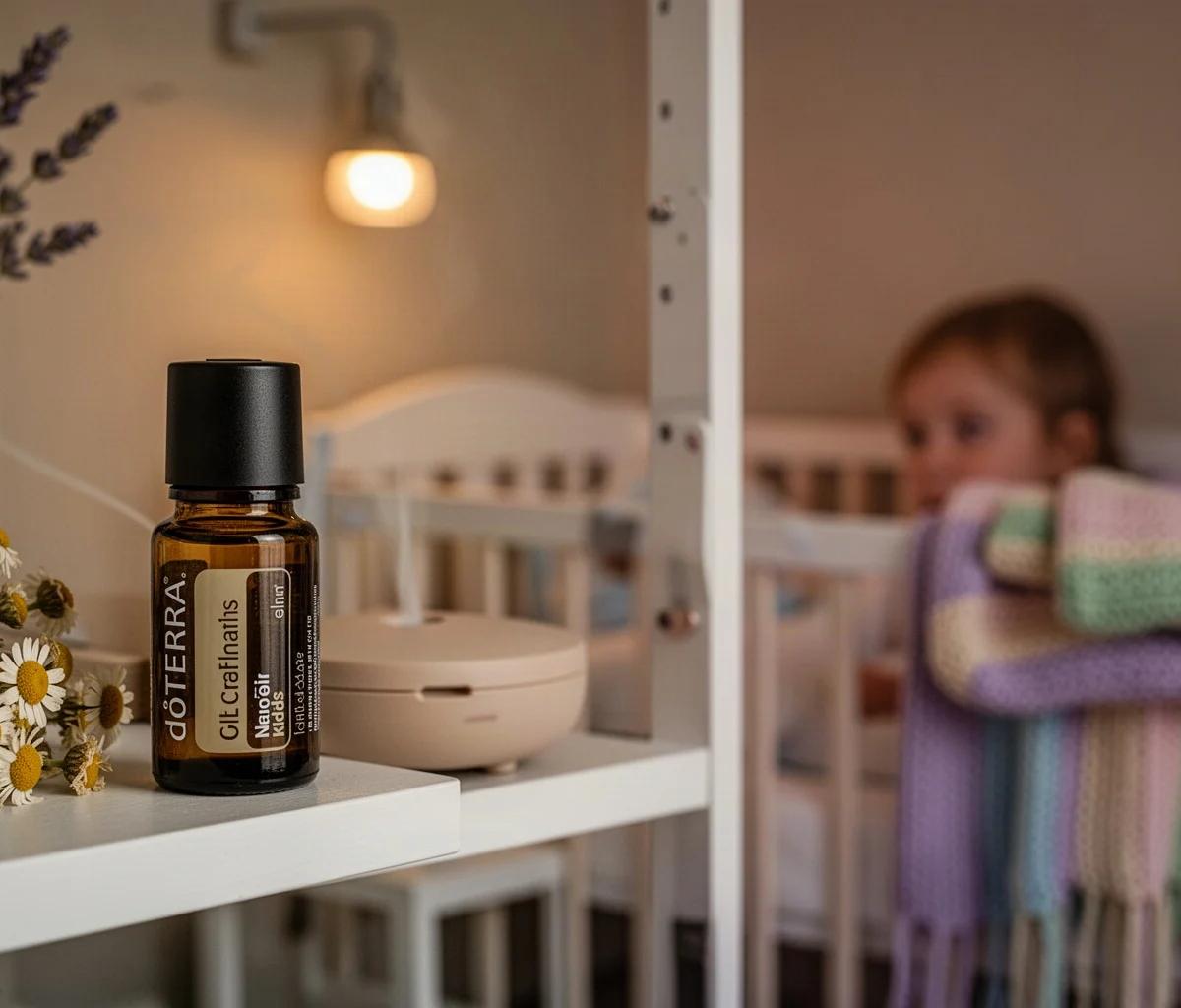
Essential oils can be a wonderful addition to a family's bedtime routine, but when it comes to kids, gentle and informed choices matter more than anything. This guide walks you through everything from picking the right oils to creating a soothing ritual that actually sticks. We will cover safe practices, which oils are best for different age groups, and how to blend them for a peaceful home. Think of this as your friendly, practical handbook for using nature's aromatics to help everyone in the house wind down and sleep a little deeper.
Starting with Safety: The Golden Rules for Kids
Before you even open a bottle, let's talk safety. A child's skin and respiratory system are more sensitive than an adult's, so a few non-negotiable rules apply. Always dilute essential oils with a carrier oil like coconut, jojoba, or sweet almond. A typical safe ratio for kids is one drop of essential oil per tablespoon of carrier oil. Never apply oils directly to the skin without dilution.
Diffusion is often the easiest and safest way to share oils with children. Place the diffuser on a high shelf out of reach, and keep session times to 20-30 minutes in the hour before bed. You also want to ensure the room is well-ventilated. When you are just starting out, it is a good idea to introduce one oil at a time to see how your child responds. For a deeper dive into the safest options, our guide on the best essential oils for sleep and relaxation is a great first read.
Choosing Your Base: The Best Oils for Little Ones
Not all oils are created equal for children. Lavender is the classic go-to, and for good reason. It is incredibly gentle and widely studied for its calming properties. Lavender for children sleep, gentle bedtime support is a cornerstone in any kid-friendly collection. It helps ease the transition from a busy day to a quiet night.
Beyond lavender, you have other soft and sweet options. Roman chamomile is another star, known for its mild, apple-like scent that soothes frayed nerves. Mandarin or sweet orange (in tiny amounts) can bring a gentle sense of joy and calm. For a pre-bedtime moment that involves physical connection, consider how aromatherapy pairs with touch. Learning to create a simple massage blend is easy, and you can find specific tips for gentle essential oils for baby massage bedtime routines. These oils form a fantastic foundation for any young family's medicine cabinet.
Age Matters: Tailoring Your Approach
A newborn is very different from a toddler, and your essential oil use should reflect that. For newborns, the consensus is to be extremely conservative. Often, simply using a lavender-infused lotion or a very light diffuser mist in the hallway is enough. Direct diffusion in the same room might be too much. Our specific advice on essential oils for newborn sleep and calm will help you navigate this delicate stage with confidence.
As babies grow into mobile toddlers, their sleep challenges change. They might fight naps or have trouble settling their busy minds. The gentle essential oils for toddler sleep guide focuses on stronger, yet still safe, dilution practices for this curious age group. Toddlers are often exploring their sense of smell, so letting them choose the oil for the night from two safe options can be a fun way to build their buy-in for the routine. The key is always to keep the concentration low and the intention high.
Building the Perfect Bedtime Blend
Now for the fun part: creating blends. A simple synergy often works best. For example, you can combine two drops of lavender with one drop of Roman chamomile in your diffuser. This classic pairing is fantastic for easing bedtime anxiety. To make it feel special, you can call it your "sleepy time" mix. You can find more inspiration for your nightly ritual in our collection of gentle essential oils for kids sleep ideas.
If you are aiming for a calmer household in general, you can create a base "peace" blend. Mix lavender, cedarwood, and a tiny drop of sweet orange. This combination works to reduce stress and create a cozy, grounded atmosphere. For the bedroom, specifically, you might want to explore calming diffuser blends for kids bedroom to keep the room smelling inviting and sleep-ready. Creating a blend is about consistency; your child will start to associate that particular scent with winding down.
Navigating Fussy Bedtimes and Tantrums
Evenings can sometimes bring out big emotions. Toddlers are learning to navigate a world full of feelings, and this often surfaces right before sleep. If your little one struggles with nighttime fears or wakes up distressed, oils can play a supporting role. For night terrors, a gentle, reassuring scent in the room can provide a sense of safety. You can read more about this in our guide on gentle essential oils for toddler night terrors.
Similarly, if the transition to bath or bed triggers a meltdown, aromatherapy can help shift the mood. Diffusing a calming oil like lavender a few minutes before you announce bedtime can signal to your toddler's brain that a change is coming. For those particularly tricky moments, some parents find that a particular oil helps soothe a gentle oils to help calm toddler tantrums moment. The scent isn't a magic fix, but it can help your own stress levels, which in turn helps your child regulate.
Expanding Your Toolkit: More Helpful Scents
While lavender and chamomile are the superstars, other oils can be incredibly supportive. For a warming and grounding scent, cedarwood is excellent. It has a woody, comforting aroma that often helps kids feel safe. For older children (over six), a mild oil like ylang-ylang can be used in very low dilution to promote relaxation and ease tension.
You might also consider the synergy of a blend that is already formulated for calm. Just like you would pick a specific tea for a specific mood, you can choose a specific oil for the mood you want to create. To get a full picture of your options, a look at the best essential oils for sleep and bedtime calm will give you a solid list to work from. Having two or three "go-to" oils on hand is usually more than enough to cover most evenings.
Creating a Peaceful Home Atmosphere
Your essential oil use doesn't have to stop at the bedroom door. A calm home environment supports better sleep for everyone. Using a diffuser in the living room during the evening wind-down can set a peaceful tone for the entire household. Scents like lavender and sweet orange can help ease the transition from the hustle of the day to a slower, family-focused evening.
This practice is about more than just the scent; it is about creating a ritual of relaxation. When you consciously choose to switch off screens and diffuse a calming aroma, you are telling your family that it is time to rest. For more ideas on how to use aromatherapy to change the feeling of your home, explore our tips for calming essential oils for a peaceful home. A peaceful home truly starts with the habits you build.
Special Considerations for Pregnancy and Family Use
If you are expecting a new baby, you might be using oils for your own comfort as you prepare for the new arrival. There are specific oils that are considered safe and helpful during pregnancy, particularly for nausea and anxiety. Always consult with your healthcare provider first, but some parents find great relief with a gentle, diluted blend. You can find more targeted information in our resource on gentle doTERRA oils for pregnancy nausea and relaxation.
Once the baby is here, those same oils can help older siblings adjust to their new role. Making the older child feel included in the "big kid" bedtime routine with their own special oil can ease sibling jealousy. You can read more about managing this dynamic in our guide on gentle essential oils for children and calm homes. The whole family can benefit from the same calming scents, just at different concentrations.
Making It a Ritual: Consistency is Key
The true power of essential oils for sleep often comes from the ritual you build around them. The scent becomes a cue for the body to start producing melatonin. It is not just about the oil itself; it is about the routine. Start by dimming the lights, turning on the diffuser, and reading a quiet story. This 30-minute buffer is essential for letting a child's nervous system settle.
Over time, your child will start to associate that specific lavender and chamomile scent with safety and sleep. Consistency matters more than perfection. Even on chaotic nights, a quick spritz of a linen spray can be enough to maintain the connection. For a wonderful guide on building this routine with your toddler, check out these tips for gentle essential oils for kids sleep and gentle essential oils for toddlers sleep to help you get started on the right foot.
Troubleshooting and Adjusting Your Approach
Sometimes, a blend that works one week might not work the next. Children's needs change as they grow, and their sensory preferences change too. If a certain scent suddenly seems to agitate your child rather than calm them, listen to that cue. It is okay to take a break from that oil and try something else. The goal is to support your child, not to force a specific solution.
If you are having trouble with a particularly stubborn sleep regression, you might need to look at other factors. Consider the room temperature, the amount of screen time before bed, and the bedtime snack. Essential oils are a fantastic support tool, but they are not a substitute for healthy sleep hygiene. For more persistent issues, our guides on gentle essential oils for kids bedtime routines and gentle essential oils for toddler sleep offer more nuanced advice for those trickier nights.
Caring for Your Oils and Diffuser
To get the most out of your essential oils, you need to store them properly. Keep them in a cool, dark place away from sunlight and heat. Make sure the caps are always tightly closed to prevent oxidation, which can reduce their potency. Quality oils can be an investment, so treating them well is worthwhile.
Your diffuser also requires regular cleaning. Essential oils are concentrated and can leave a residue. A simple wipe with a damp cloth after each use, and a deeper clean with a little white vinegar once a week, will keep your diffuser running efficiently. This ensures that the scent is pure and not stale, which is essential for creating that inviting sleep atmosphere we talked about earlier.
The Path to a Restful Night
Bringing essential oils into your family's sleep routine is a journey, not a race. Start small, observe your child's reactions, and adjust as you go. The goal is not to have a "perfect" routine, but to have a gentle, calming practice that helps your family connect and rest. With a little patience and the right information, you can create a soothing sanctuary that supports everyone’s well-being.
FAQ
Are essential oils safe for all children? Most gentle oils are safe when properly diluted and diffused, but children with asthma, allergies, or sensitive skin need extra caution. Always start with a very low dilution, patch test topically, and consult your pediatrician before introducing something new.
How much should I dilute for a toddler? A safe starting point is one drop of essential oil per tablespoon of carrier oil. For diffusion, use only 1-2 drops of a gentle oil like lavender in the diffuser. Less is always more when it comes to little bodies.
Can I use peppermint oil to help my child sleep? Peppermint is generally not recommended for children under six. It is stimulating and can cause a choking sensation or breathing issues in infants. Stick to calming oils like lavender, chamomile, and cedarwood for sleep.
What if my child wakes up with night terrors? Night terrors are different from nightmares and often occur in deep sleep. Instead of trying to wake the child, focus on calming the environment. A diffuser with a reassuring scent like lavender can help ease their return to sleep.