Gentle Essential Oils for Toddler Sleep
Discover calming essential oils that may help your toddler wind down. Simple diffusing tips and gentle bedtime rituals for a peaceful evening routine.
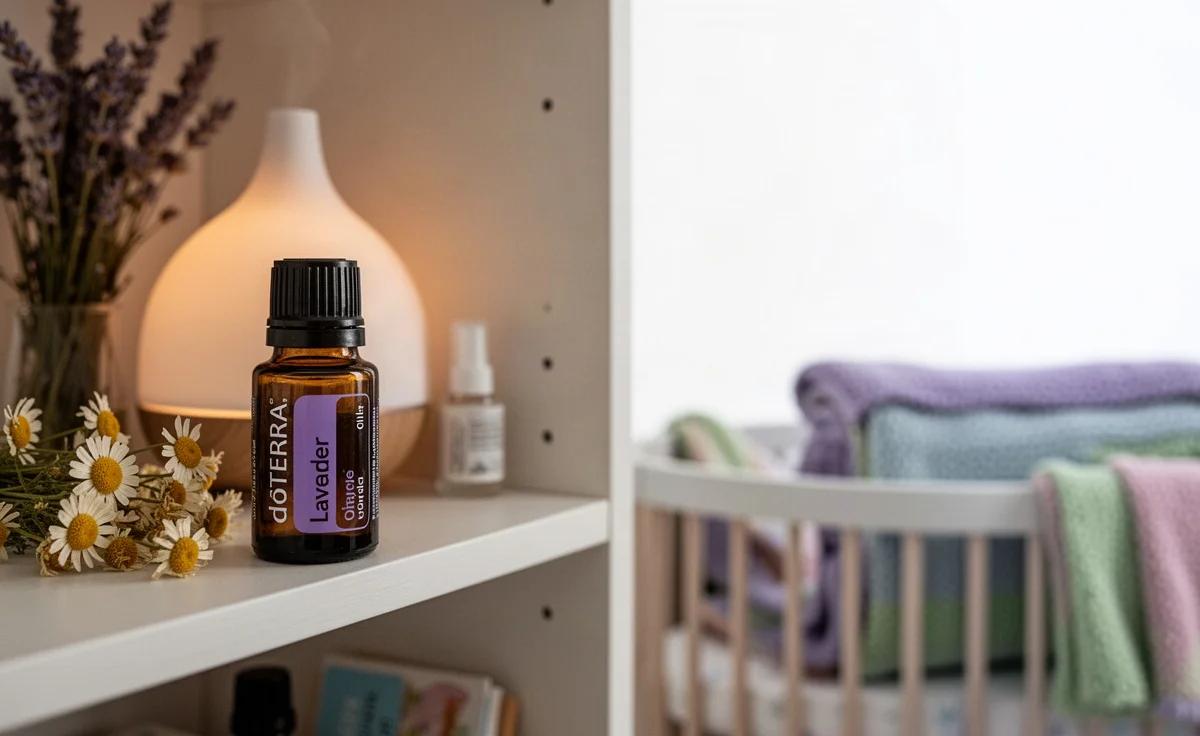
Gentle Essential Oils for Toddler Sleep
By the LittleSynergy Team — moms, Wellness Advocates & doTERRA enthusiasts
You have read the same two bedtime books five times, and your toddler is still bouncing off the walls. If you are wondering whether essential oils can actually help, the short answer is yes, many parents find them useful, but not as a magic switch. Their real value comes from the ritual: a predictable, soothing sequence of scent and calm that signals to a little body that the day is ending. The oil matters less than the consistency around it, and safety always comes first.
Calming Oils Parents Often Reach For
When choosing something for a toddler, we lean toward the gentlest options. Lavender is the classic starting point: soft, floral, and widely loved. Roman chamomile is another favorite because it feels milder than the lavender some children find overpowering.
| Oil | Scent Profile | Why Parents Like It |
|---|---|---|
| Lavender | Sweet, floral | The most familiar, easy to find |
| Roman Chamomile | Soft, apple-like | Delicate for small noses |
| Cedarwood | Warm, woody | Adds a grounding, cozy note |
| Vetiver | Deep, earthy | Feels heavy and anchoring |
The table shows why we often suggest starting simple. One oil, one diffuser, one calm room.
How We Build a Toddler Bedtime Ritual
The magic is in the sequence, not the single drop.
- Diffuse one gentle oil in the bedroom 30 minutes before the routine begins.
- Keep the lights warm and low, screens off.
- Do the same actions in the same order: bath, one book, song, lights out.
- Turn the diffuser off when you leave, never leave it running all night.
The scent becomes the anchor after a few consistent nights. You can read more about building gentle sleep habits in our guide on gentle essential oils for toddler sleep.
What to Keep Away from Toddlers
We practice caution with the strongest aromas. Peppermint, eucalyptus, rosemary, wintergreen, cinnamon, clove, oregano, and thyme are best kept off young children's skin and out of their rooms. The same goes for blends built on those oils, like Deep Blue or doTERRA Air. We love and use these ourselves as adults, but we choose the softest options for our kids and always check with our pediatrician first. A quick patch test on ourselves does not translate to toddler skin.
Always store every bottle up high, out of reach, and follow doTERRA's official age guidance on the label.
Common Mistakes That Quietly Sabotage the Routine
Even well-meaning parents can accidentally turn a calming ritual into a stimulating one, and the difference is often invisible until bedtime falls apart.
Using too many oils at once. A three-oil blend sounds lovely to an adult nose, but a toddler’s olfactory system is still learning to parse complexity. Layering lavender, cedarwood, and vetiver can create a muddled scent that registers as “a lot” rather than “calm.” Stick with one oil for at least a week before adding anything.
Diffusing in a room that is too warm. Heat intensifies aroma, and a stuffy, overly warm bedroom can push a soft lavender into headache territory. Keep the room slightly cool, around 65–68°F (18–20°C), and place the diffuser at least three feet from the crib or bed.
Rushing the wind-down. If the diffuser starts at 7:15 and you are still wrestling pajamas at 7:45, the scent never gets a chance to work as a cue. Build in buffer time: start the diffuser before the last book, not after the bath.
Forgetting to clean the diffuser. Residual water and old oil produce a stale, musty base note that can make even fresh lavender smell off. Empty and wipe the reservoir after each use, and do a deeper clean with rubbing alcohol weekly.
What to Do When One Oil Doesn’t Seem to Work
Parents sometimes assume essential oils are not for their child because lavender produced zero visible effect. That is usually a cue to adjust the ritual, not abandon it.
Switch the oil before switching the routine. Some toddlers simply do not respond to lavender, even though it is the most popular choice. Roman chamomile or a single drop of cedarwood can feel entirely different to a small nose. Change only one variable at a time and observe for four to five nights.
Check the timing of the diffuser. A child who is already over-tired and crying has passed the window where scent cues help. Start the diffuser earlier, when the toddler is still calm and engaged in quiet play, so the association forms during a regulated state.
Look at the whole sensory picture. Lavender will not overcome a bright hallway light, a blaring TV in the next room, or a missed afternoon nap. The oil is one layer; it cannot mute every other input.
Try a passive scent source instead of a diffuser. For a very sensitive child, one drop of oil on a cotton ball tucked inside a small muslin bag and placed on a high shelf can be enough. There is no mist, no noise, and the scent stays soft.
Keep a simple log for one week. Note the oil, start time, room temperature, and how long it took your toddler to settle. Patterns will show up faster than instinct will, and the log also gives your pediatrician something concrete to review if you choose to ask about oils at the next visit.
Frequently Asked Questions
Can I put essential oils on my toddler's skin? We avoid it unless a pediatrician tells us otherwise. Diffusing in a shared, ventilated space feels like the gentler starting point, then we follow our doctor's advice from there.
How many drops should I use for a toddler? Fewer than you would use for yourself, but we never give a number for a child's skin. For the diffuser, a small amount, like two or three drops at most, is a common approach.
Is lavender safe for toddlers? Many parents use it happily, but every child is different. We use it, we watch how our little one responds, and we check with our pediatrician.
Can I diffuse oils all night in my toddler's room? We prefer not to. Thirty to forty-five minutes before bed, then we switch it off. Saturated air bothers sleep, and the association forms during the awake wind-down.
Should I ask my pediatrician first? Yes, always. Essential oils are a complement to a bedtime routine, never a substitute for professional pediatric guidance.
Conclusion
A calm toddler evening is built from repetition, warmth, and a few drops of something gentle. Start slow, keep it simple, and let the ritual do the heavy lifting, with your pediatrician as your guide.
This content is for general information only and is not medical advice. Essential oils are not intended to diagnose, treat, cure, or prevent any disease; always consult a pediatrician before any use involving babies or children.