Is Frankincense Safe During Pregnancy
Wondering if frankincense is safe during pregnancy? Here is what we have learned about using this gentle oil while expecting, plus tips that help.
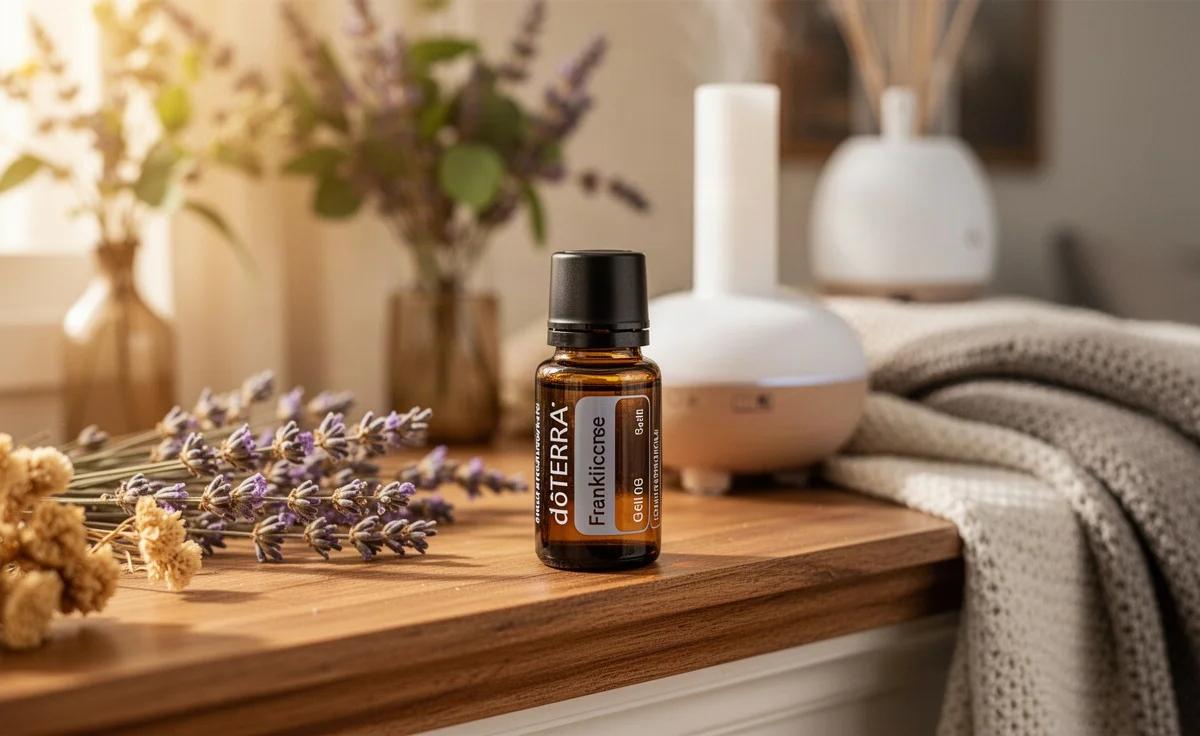
Is Frankincense Safe During Pregnancy
By the LittleSynergy Team — moms, Wellness Advocates & doTERRA enthusiasts
If you are staring at your oil shelf wondering which bottles to keep out during these nine months, you are not alone. The short answer is that frankincense is one of the most commonly discussed oils for pregnancy, but safety depends on how you use it and your own health. Many expecting moms we talk to prefer it for its soft, grounding, slightly sweet aroma. Still, the most reliable advice is simple: check with your doctor or midwife before using any essential oil while pregnant.
What Makes Frankincense Different
Frankincense has a warm, resinous scent that many find calming. That is why it appears often in routines around pregnancy and postpartum. Some families reach for it during quiet moments, while others add it to a light massage blend with a carrier oil. What we recommend most often is starting with very small amounts and paying attention to how you feel. Pregnancy changes your sense of smell, and an oil you loved before may suddenly feel too strong. If that happens, trust your body and set it aside for a while. For a broader look at which oils tend to be gentle during this season, see our guide to safe essential oils during pregnancy.
How We Approach Frankincense in Pregnancy
Every pregnancy is different, so we keep things flexible. Frankincense is not a blend we push on anyone; it is more of a quiet option in a thoughtful routine.
| Use | What many moms do | What we would add |
|---|---|---|
| Diffusing | Use a short session in an aired room | Keep it light and brief, never constant |
| Massage | Blend with a carrier oil for the body | Ask your care provider first |
| Smelling from the bottle | Inhale gently when a scent feels soothing | Avoid if nausea makes scents unpleasant |
| On the skin neat | Some do this out of habit | Not the best idea during pregnancy |
Simple Steps for a Cautious Routine
- Talk first. Mention frankincense at your next appointment with your midwife or doctor.
- Use less than before. If you get the green light, a soft aroma is enough.
- Diffuse briefly in a shared, well-aired room. Short sessions are plenty.
- Skip the skin until you have approval. Dilution advice for pregnancy is personal and belongs in a medical conversation.
If morning sickness is your current battle, you may also like our notes on pregnancy safe doTERRA oils for nausea relief.
What We Use Lately
We tend to reach for Frankincense on quiet afternoons, when the house feels calm and we just want a soft, earthy background note. Some of our team also keep Balance nearby, though that blend is entirely a personal preference, not a pregnancy-specific suggestion. Neither is meant for everyone, and both work best when used in moderation.
Common Mistakes We See With Frankincense During Pregnancy
One easy trap is treating frankincense as “safe” just because it sounds gentle or has a long history. Another is copying a friend’s routine without adjusting for your own pregnancy. A few mistakes we see often:
- Using the same number of drops as before pregnancy. Your sensitivity can shift quickly, even from week to week.
- Diffusing in a small, closed room for hours. A stuffy space can turn a soft scent into an overwhelming one.
- Applying it to the belly “for stretch marks” without checking first. Skin can be more reactive during pregnancy, and frankincense is not a substitute for a proper moisturizing routine.
- Ignoring new nausea from a scent. If it suddenly makes your stomach turn, stop using it that day.
Practical Ways to Use Frankincense Without Overdoing It
If your provider has given you a green light, keep your use simple and intentional. A few examples that fit into real days:
- One drop on a wooden clothespin left on a bathroom shelf for a very faint, passive scent that does not fill a whole room.
- Smelling the open bottle once during a quiet rest break, then closing it and putting it away instead of carrying it around.
- Mixing 1 drop with a full palm of unscented lotion for a massage only if your care provider has approved topical use, and always on legs or shoulders rather than the belly.
- Setting a timer for 20 minutes when diffusing, even in a well-aired room, so the session ends before the scent builds up unnoticed.
Think of frankincense as a background detail rather than the main event. The goal is a moment of calm, not a strong aromatic presence that lingers all afternoon.
Frequently Asked Questions
Is frankincense okay to diffuse while pregnant?
Many expecting moms choose short diffusion sessions in well-ventilated rooms, but this is not universal advice. Your midwife or doctor is the best person to confirm what works for your pregnancy.
Can I put frankincense on my skin during pregnancy?
We do not recommend topical use without first discussing it with your care provider. Pregnancy changes how your skin and body respond, and personal guidance matters more than general tips.
Which doTERRA oils do moms often use in pregnancy?
Some moms lean toward gentle, low-intensity oils like frankincense, lavender, or soft citrus scents, but preferences vary widely. Our guide to gentle essential oils for the first trimester covers this in more detail.
Is frankincense safe in the first trimester?
This is a conversation for your doctor or midwife, not a general rule. We suggest extra caution during early pregnancy and less is always more.
Does frankincense help with labor or delivery?
Some people use it for atmosphere around birth, but we never present it as a support for labor outcomes. That discussion belongs with your birth team.
The heart of it is that frankincense can feel like a warm, grounding friend during a very tender season. Just keep your doctor or midwife in the loop, use less than you think you need, and trust the way your body responds.
This content is for general information only and is not medical advice. Essential oils are not intended to diagnose, treat, cure, or prevent any disease; always consult a pediatrician before any use involving babies or children.