Lavender for Children Sleep, Gentle Bedtime Support
Can lavender help your child sleep better? Discover how this gentle essential oil may support calming bedtime routines for kids safely.
By the LittleSynergy Team — moms, Wellness Advocates & doTERRA enthusiasts
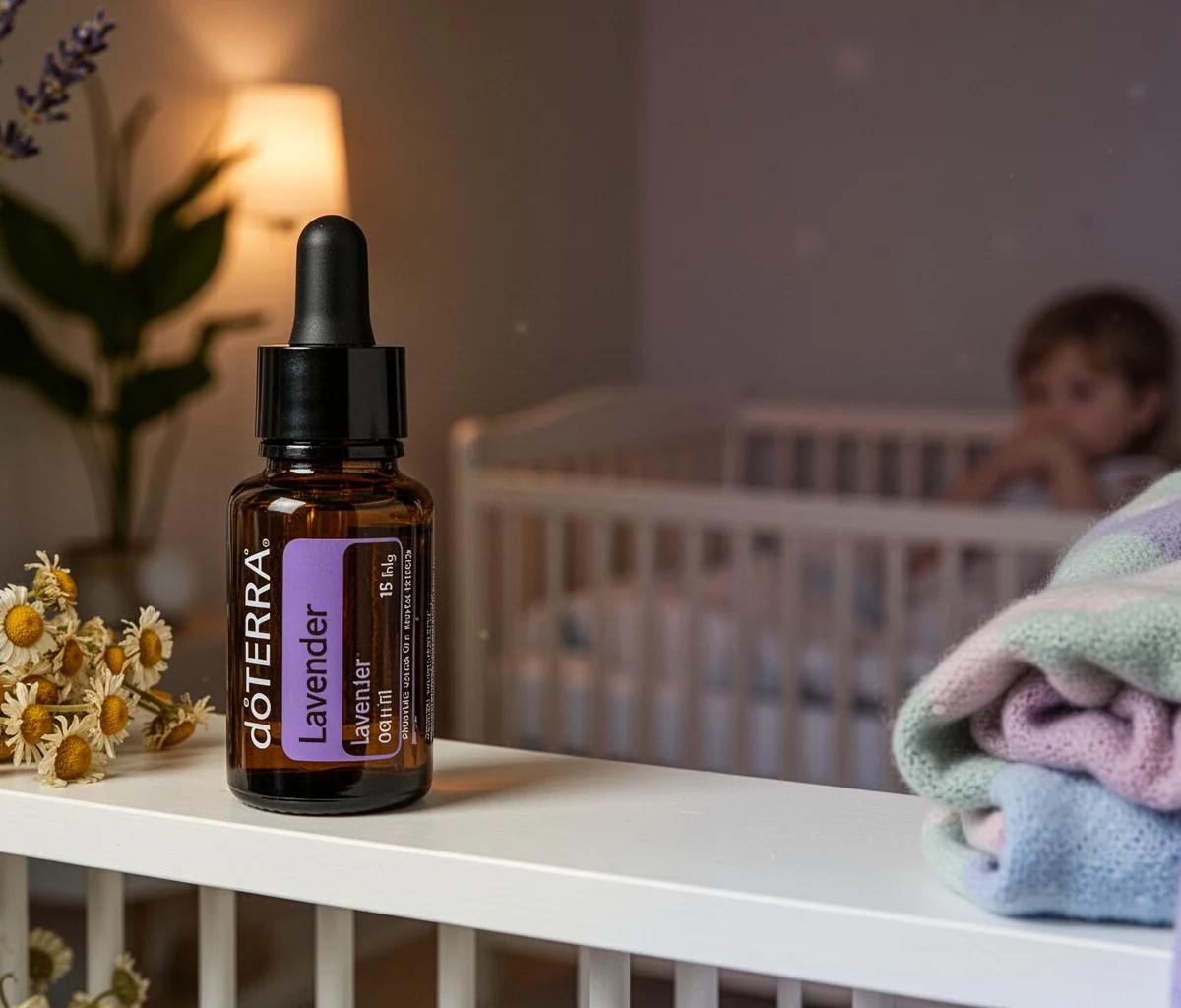
If you're reading this, chances are bedtime has become a bit of a battle in your house, and you're wondering if lavender might help. The short answer: many parents find that diffusing Lavender in their child's room creates a calming atmosphere that makes settling down a little easier. It won't magically put anyone to sleep, but its gentle, floral scent has been traditionally associated with relaxation and quiet evenings. It's not a cure-all, but it can become a comforting ritual that helps everyone, parents included, shift gears.
That said, essential oils around children require real caution. Always consult your pediatrician before using any essential oil on or around your child, follow doTERRA's official age guidance on every product label, and keep all oils out of reach of little hands.
Why Parents Turn to Lavender at Bedtime
Lavender has been used for centuries in homes where people wanted a peaceful evening environment. Its soft, herbal-floral aroma is one of the gentlest in the essential oil world, which is why so many parents start here when exploring oils for the family.
What we've come to understand is that lavender doesn't "treat" sleeplessness, it simply contributes to a calm sensory environment. When you're trying to help a busy toddler or an overstimulated preschooler settle down, creating a cozy, dimly lit room with a pleasant scent can make the transition from playtime to bedtime feel more natural.
In our experience, diffusing is the safest and simplest method for children. A small amount in a well-ventilated space goes a long way.
How to Use Lavender Safely Around Children
Here's a practical step-by-step approach that many parents find works well:
Choose the right product: Start with pure Lavender essential oil. doTERRA also offers Lavender Touch, which is pre-diluted with fractionated coconut oil if you'd like a roll-on option for yourself.
Diffuse in shared spaces: Add 2, 3 drops of Lavender to a cool-mist diffuser in your child's bedroom or a hallway nearby, about 30 minutes before bedtime. Keep the room well-ventilated and never run the diffuser all night long, short bursts are gentler.
Pair it with routine: Oils work best as part of a consistent bedtime ritual. Dim the lights, read a story, play soft music, and let the lavender scent become one more cue that sleep time is near.
If considering topical use: Never apply undiluted essential oil to a child's skin, and never use numeric drop counts or dilution ratios on your own, those decisions belong to your pediatrician. If they approve topical use, always dilute generously with a carrier oil and apply to the soles of the feet, never near the face.
For more on creating a calming bedtime environment with oils, you might find our guide on gentle essential oils for kids sleep helpful.
Lavender vs. Other Calming Oils for Kids
Not all "calming" oils are equally appropriate for children. Here's a quick comparison:
| Oil | Aroma Profile | Suitability for Kids | Notes |
|---|---|---|---|
| Lavender | Soft, floral, herbal | Gentle, widely used | Preferred starter oil for families |
| Roman Chamomile | Sweet, apple-like | Gentle | Often blended with Lavender |
| Cedarwood | Warm, woody, grounding | Generally gentle | Nice in small amounts |
| Peppermint | Sharp, minty, cooling | Not for young children | High menthol, never diffuse around babies or toddlers |
Always ask your pediatrician which oils are appropriate for your child's specific age and health.
What Lavender Won't Do
Let's be really clear: Lavender is not a sleep medication, and it won't treat insomnia, night terrors, or any medical sleep disorder. If your child has ongoing sleep struggles, restless nights, or wakes frequently in distress, please talk to your pediatrician. Essential oils are a pleasant environmental addition to a healthy bedtime routine, they're never a substitute for medical care or a pediatrician's advice.
Related reading
Frequently Asked Questions
Is lavender safe for babies and toddlers?
It depends on the child's age and how you're using it. Always consult your pediatrician first and follow doTERRA's age guidance on the product label. Diffusing small amounts (2, 3 drops) in a well-ventilated room is generally considered gentler than topical use, but your doctor's input is essential.
Can I apply lavender directly to my child's skin?
Never use undiluted essential oil on a child. If your pediatrician approves topical use, always dilute generously with a carrier oil. Do not use numeric drop counts or percentages on your own, ask your doctor for guidance.
How long should I run the diffuser in my child's room?
Most parents run it for 30, 60 minutes before bedtime, then turn it off. Continuous overnight diffusing isn't necessary and may be too much for little lungs.
Will lavender make my child sleepy during the day?
No. Lavender doesn't cause drowsiness, it simply creates a calm environment. It's the bedtime routine and dimmed lights that signal sleep, not the oil itself.
What if my child doesn't like the smell?
Not every child loves lavender, and that's okay. If your child finds the scent unpleasant, it won't help them relax. Trust their reaction and explore other gentle options with your pediatrician's guidance.
Conclusion
Lavender can be a lovely, gentle addition to your family's bedtime rhythm when used thoughtfully and safely. It's not magic, but for many of us, it became a small ritual that made the evening feel a little softer. Always consult your pediatrician, follow doTERRA's label guidance, and keep your oils stored safely away from curious hands.
This content is for general information only and is not medical advice. Essential oils are not intended to diagnose, treat, cure, or prevent any disease; always consult a pediatrician before any use involving babies or children.