Is Diffusing Oils in Kids Room Safe
A mom-to-mom look at diffusing essential oils in your child's room, gentle options, simple habits, and when to ask the pediatrician first. A practical guide.
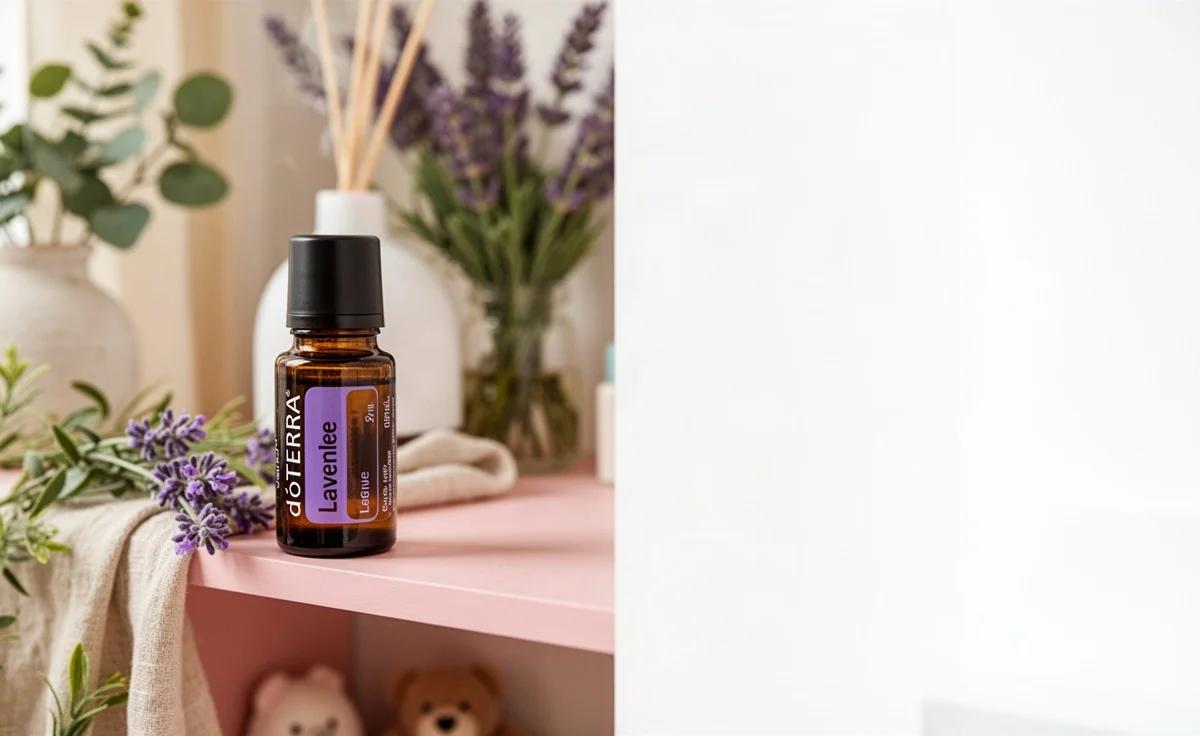
Is Diffusing Oils in Kids Room Safe
By the LittleSynergy Team — moms, Wellness Advocates & doTERRA enthusiasts
You just finished the bedtime routine, the lights are low, and you wonder if a soft scent in the diffuser would make the room feel calmer. We have been there too. The short answer is that diffusing oils in a child's room can be done gently, but it depends on the oil, the room, and your child. Many parents keep the diffuser on a high shelf, run it for short intervals, and choose soft single oils or simple blends rather than anything strong. Always start with less than you would use for yourself, keep the door open for airflow, and check with your pediatrician before bringing any new oil into your child's space. This is about a pleasant evening atmosphere, never about treating anything.
Start With Airflow and a Light Hand
What we recommend most often is to think about the room, not just the oil. A small, closed bedroom holds scent much more intensely than a shared family space. Keep the diffuser near the door, open a window slightly, or leave the door ajar. A short run of 30 to 45 minutes is usually plenty, and you can turn it off once the room is sleepy and quiet. Scent lingers gently after the diffuser stops.
For a kid's room, soft florals and gentle citrus notes are common first choices. Many parents start with Lavender, a classic evening favorite, or a drop of Balance for a cozy, grounded feel. Keep the amount small, roughly 2 to 3 drops in the water, less than you would use in a living room.
Oils to Keep Out of a Child's Room
Some oils are best kept away from babies and very young children. Peppermint, Eucalyptus, Rosemary, and Wintergreen are high in menthol or 1,8-cineole, so we do not recommend diffusing them in a nursery or child's bedroom. Cinnamon, Clove, Oregano, and Thyme are strong and warming, also best avoided there. Phototoxic citrus oils like Bergamot, Lemon, and Wild Orange are fine in a diffuser, but do not apply them to skin that will see sunlight.
| Oil or Blend | Kid's Room Diffusing | Notes |
|---|---|---|
| Lavender | Commonly chosen | Soft, classic evening scent |
| Balance | Commonly chosen | Cozy, grounding feel |
| Peppermint, Eucalyptus | Avoid in bedroom | High menthol or 1,8-cineole |
| Cinnamon, Clove, Oregano | Avoid in bedroom | Very strong, warming oils |
A Simple Evening Routine
- Set the diffuser on a stable, high surface away from small hands.
- Add water and just 2 to 3 drops of a soft oil like Lavender or Balance.
- Run it for 30 to 45 minutes with the door slightly open.
- Turn it off before the room is fully closed for the night.
- Store oils out of reach, in dark glass bottles, away from heat and light.
For more on building these habits, see our Safe Diffusing Around Children, a Mom's Guide.
Choosing the Right Diffuser for a Child's Room
Not all diffusers are equal, and the device itself matters as much as the oil. Ultrasonic models that use water are our usual choice for bedrooms because they produce a fine, cool mist and run quietly, which is less disruptive to sleep than heat-based or nebulizing diffusers that can be louder and release stronger concentrations. Look for a diffuser with an automatic shut-off when the water runs low, so you never have to worry about it running dry overnight.
One mistake we see often is placing the diffuser on a nightstand right next to the bed. Even with a soft oil, that close range can feel intense. Instead, put it across the room, ideally near the door or on a dresser at least three to four feet away from the child's pillow. The scent should reach the room, not the face.
Signs You Are Diffusing Too Much
Your child will often tell you, without words, when a scent is too strong. Watch for rubbing eyes, sneezing, coughing, or complaining about the smell. Some children develop a mild headache or feel queasy when a room is over-scented, even if the oil is a gentle one. If you notice any of these signs, stop the diffuser, open a window, and let the room clear before using it again.
Another common mistake is adding more drops because the scent is faint. Remember that young noses are far more sensitive than adult ones. If you can barely smell it from the doorway, that is often the right level for a sleeping child. Trust the light hand over a strong cloud.
Frequently Asked Questions
Is it safe to diffuse essential oils in a child's room every night? Rather than every night, many parents run the diffuser occasionally and for short intervals. Ask your pediatrician what fits your child's age and health.
What is the safest oil to diffuse in a kid's room? There is no single safest oil for every child. Lavender and Balance are common gentle starting points, but the pediatrician's guidance and doTERRA's label always come first.
Can I diffuse oils in a newborn's room? For newborns and infants, we keep the diffuser off or use it in an adjacent shared space, never directly in the nursery. Check with your pediatrician before introducing anything.
Should I leave the diffuser on all night? No. A short run is enough to create a soft scent, and leaving the door open helps air move. Continuous diffusion saturates the room without adding benefit.
Where should I put the diffuser so it is safe? Place it on a high, stable surface, away from curtains and out of a child's reach. Keep the oil bottles stored separately, also out of reach.
Diffusing in a kid's room is really about a light, thoughtful touch. Soft oils, a short run, airflow, and a quick check with the pediatrician keep it simple and gentle.
This content is for general information only and is not medical advice. Essential oils are not intended to diagnose, treat, cure, or prevent any disease; always consult a pediatrician before any use involving babies or children.