doTERRA Pregnancy Safe Oils List to Consider
A practical look at doTERRA oils many expecting moms enjoy, with cautious guidance. Always check with your doctor or midwife first. A practical guide with.
doTERRA Pregnancy Safe Oils List to Consider
By the LittleSynergy Team — moms, Wellness Advocates & doTERRA enthusiasts
If you are reading this, you are probably standing in front of your oil collection wondering which little brown bottle is still your friend right now. That is a completely reasonable question, and honestly, it is the one we hear most from newly pregnant friends.
The direct answer is that there is no single universal "safe list," because every pregnancy is individual. What we can offer is the list of doTERRA oils that many pregnant women find pleasant and comforting, always with the clear reminder to check with your doctor or midwife before using anything. The oils most often mentioned as gentle choices include lavender, frankincense, lemon, grapefruit, and wild orange. These are typically diffused in small amounts, not applied directly to the skin. For a deeper look at choosing oils during this season, our article on Safe Essential Oils During Pregnancy walks through the same questions.
Oils Many Moms Reach For
When we talk about pregnancy-friendly oils, the conversation usually centers on gentle, well-known single oils rather than complex blends.
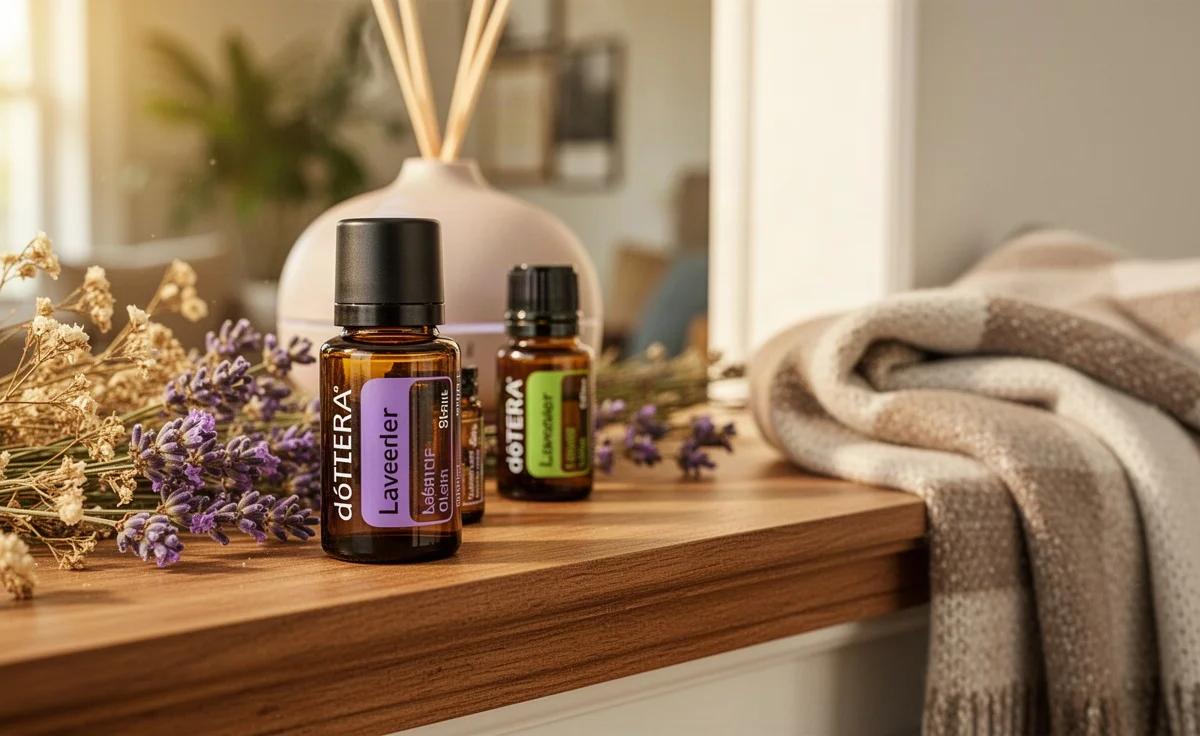
Lavender is the one most people mention first. Its soft floral scent is familiar and calming, and it is very common in evening diffusion while unwinding.
Frankincense has a warm, grounding aroma that many women enjoy for quiet moments of reflection.
Lemon, grapefruit, and wild orange are bright, cheerful citrus options. These are lovely in shared spaces, though citrus oils should never be applied to skin that will see sunlight.
A Quick Comparison Table
| Oil | Aroma | Common Use in Pregnancy | Notes |
|---|---|---|---|
| Lavender | Soft, floral | Evening diffusion | Very widely used, always diluted if topical |
| Frankincense | Warm, resinous | Quiet moments | Grounding, pairs well with lavender |
| Lemon | Bright, clean | Morning diffusion | Avoid sun-exposed skin after topical use |
| Grapefruit | Fresh, uplifting | Afternoon diffusion | Same phototoxicity caution as lemon |
How to Use Them Thoughtfully
Here is the simple routine we suggest most often, step by step.
- Ask first. Before anything else, get the green light from your doctor or midwife.
- Choose diffusion over topical application. A diffuser in an open, aired room keeps things light.
- Use less than you normally would. A couple of drops in the diffuser is plenty when you are pregnant.
- Watch how you feel. If a scent suddenly turns your stomach, trust that signal and stop.
Oils to Set Aside
Some oils are better off in the drawer for now. Peppermint, eucalyptus, rosemary, and wintergreen are high in menthol or 1,8-cineole and are best avoided during pregnancy unless a qualified professional says otherwise. Cinnamon, clove, oregano, and thyme are very strong and not suited to this chapter either.
We also want to mention that blends are harder to evaluate than single oils because they contain several essential oils at once.
The Nausea Window: What Actually Helps
Morning sickness has a way of making every scent feel like an ambush. What smells wonderful on Monday might be unbearable by Wednesday, which is why we suggest keeping your choices to one or two oils at most during the first trimester. Many moms find that a single drop of lemon or wild orange on a cotton round, held near but not under the nose, is easier to control than a room diffuser. The key is that you can drop the cotton round and walk away instantly — something you cannot do as easily with a diffuser cloud.
If you try this during nausea waves, keep your eyes closed and take one shallow breath first. The olfactory system is hyper-alert right now, and even a "gentle" oil can trigger a gag reflex if you inhale deeply from the start.
Common Mistakes Even Careful Moms Make
The biggest mistake we see is bottle sharing. That roll-on you loved before pregnancy may have been applied dozens of times, and the rollerball has been touched by hands, purses, and bathroom counters. Pregnancy shifts your skin's sensitivity, so any new product on the skin — even a pre-diluted one that was fine before — deserves a re-test on the inside of your wrist.
A second mistake is assuming "natural" means "can't overdo it." More diffusion does not equal more benefit. Running a diffuser for two hours in a closed bedroom can be far more intense than running it for forty minutes in a living room. With pregnancy, the dose is the air you are actually breathing, not the number of drops in the machine.
A Five-Minute Evening Reset Routine
When sleep feels elusive and your brain will not settle, we keep this ritual short and repeatable: one drop of lavender on a cotton pad, placed on the nightstand not on your pillow. No diffuser, no timer to manage, no lingering humidity in the room. You can add one drop of frankincense to the same pad if your nose agrees.
Keep the pad at arm's reach rather than directly beside your head. This gives you enough scent to notice the shift without overpowering the bed. If you wake at 3 a.m. and the smell is gone, that is actually a good sign — the reset worked and your body is ready for the deeper half of the night.
Frequently Asked Questions
Are doTERRA oils safe during pregnancy? Some single oils are widely used, but safety depends on the specific oil, how it is used, and your individual pregnancy. Always ask your doctor or midwife.
Can I diffuse lavender while pregnant? Lavender is one of the most commonly diffused oils during pregnancy, always in small amounts in a ventilated room. Confirm with your care provider first.
Which oils should I avoid during pregnancy? Peppermint, eucalyptus, rosemary, wintergreen, cinnamon, clove, oregano, and thyme are commonly set aside during pregnancy. This is not a closed list, so ask your provider.
Is it better to diffuse or apply oils topically while pregnant? Diffusion in a shared, aired space is generally the gentler option many women prefer. Topical use should always be discussed with your doctor or midwife.
What about blends like On Guard or Deep Blue? Blends contain multiple oils and are harder to assess during pregnancy. Most women choose simple single oils instead until their provider gives specific guidance.
Pregnancy is a season of listening to your body and erring on the side of caution. A few gentle oils can still be part of that season when chosen slowly, used lightly, and cleared by someone who knows your whole story. That is the approach we would want for ourselves, and it is the one we share with you.
This content is for general information only and is not medical advice. Essential oils are not intended to diagnose, treat, cure, or prevent any disease; always consult a pediatrician before any use involving babies or children.