Essential Oils for Kids Sleep Made Simple
Wondering how to use essential oils for kids sleep? Explore gentle bedtime aromas, simple diffusing routines, and what every parent should ask first.
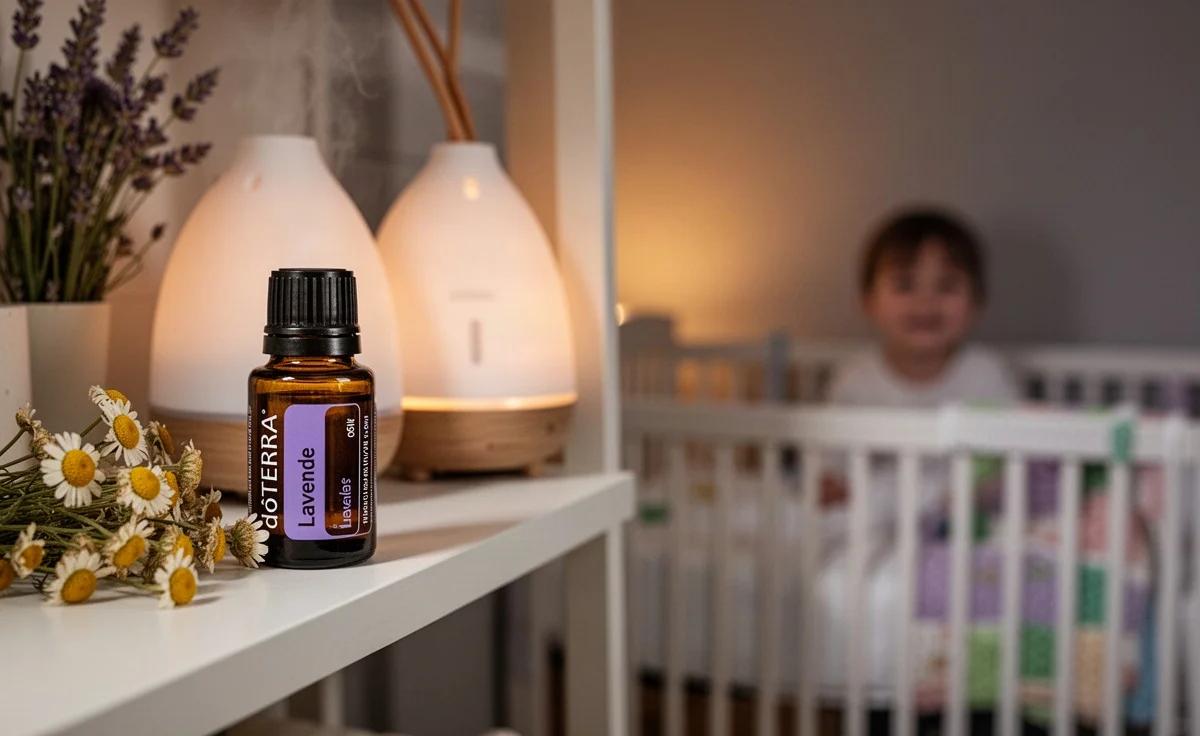
Essential Oils for Kids Sleep Made Simple
By the LittleSynergy Team — moms, Wellness Advocates & doTERRA enthusiasts
Every parent knows the quiet hope of a calm bedtime, and the frustration when it slips away. If you are reading this, you are probably wondering whether essential oils can help create a peaceful sleep environment for your child. The short answer is yes, many parents use gentle, kid-friendly aromas as part of a soothing evening routine, but the real magic lives in the ritual itself, not in a single drop. A consistent, calming sequence built around soft scents, low light, and quiet connection can signal to a child that the day is winding down. What oils you choose matters, how you use them matters more, and checking with your pediatrician before introducing anything new around your child is always the right first step.
Start With the Ritual, Not the Oil
The value of essential oils for kids sleep sits in repetition and association. Same aroma, same time, same gentle order of events night after night. This consistent rhythm, rather than any single ingredient, helps little bodies and busy minds settle. Diffuse for about 30 minutes before bedtime, then turn the diffuser off before your child climbs into bed. A room that smells softly of lavender and cedar becomes a familiar cue for winding down.
Gentle Aromas Many Families Love
Not every oil fits a child's bedtime. The softest and most commonly chosen options include:
| Oil | Why Parents Choose It | Best Used As |
|---|---|---|
| Lavender | Sweet, classic, calming | Diffused in shared space |
| Roman Chamomile | Delicate, mild | Diffused or lightly diluted |
| Cedarwood | Warm, grounding, woody | Diffused before bed |
| Vetiver | Deep, anchoring base note | Diffused briefly |
A word of caution: strong, high-menthol oils like eucalyptus, peppermint, rosemary, and wintergreen are best kept away from young children, especially around the face and in the bedroom. Citrus oils like bergamot, lemon, and wild orange can be phototoxic on skin exposed to sunlight, so skip them for topical use around kids.
A Simple, Safe Bedtime Routine
- Start the diffuser in a shared family space, not the nursery, with Lavender or Roman Chamomile, keeping the amount minimal.
- Let the aroma fill the room for about 30 minutes, then switch the diffuser off.
- Move through a calm sequence: warm bath, soft pajamas, a short story, low lighting.
- Keep everything out of reach of children, with bottles closed and stored away.
We have found that the families who see the most consistent results treat the oil as one small piece of a wider, loving wind-down. Your pediatrician and the doTERRA product label are your best guides on age and use.
Common Mistakes That Undermine a Calm Bedroom
Even well-intended routines can backfire when small details are overlooked. One frequent misstep is running a diffuser too close to the bed or crib, which can overwhelm a child's sensitive nose. Keep the diffuser at least three feet away and positioned where the mist does not blow directly toward the child. Another common error is using the same number of drops for a child as you would for yourself. A one-to-three drop total for a standard bedroom is usually plenty, and starting with a single drop lets you gauge your child's response. Finally, avoid layering multiple scents simultaneously. A blend of three calming oils may sound lovely to an adult, but a young child's olfactory system processes aromas more intensely. Stick to one oil, or one pre-blended product formulated for kids, for at least a week before considering any change.
Choosing a Diffuser That Works for Kids' Rooms
The device itself matters as much as the oil. Ultrasonic diffusers that run quietly and produce a fine, cool mist are generally more suitable for bedrooms than heat-based or nebulizing models, which can alter oil chemistry or release too much aroma too quickly. Look for a diffuser with an automatic shut-off, a timer setting, and a soft or adjustable light that can be dimmed or turned off entirely. A machine that beeps loudly when it finishes can wake a light sleeper, so test it during the day first. Place the diffuser on a stable surface out of reach, such as a high shelf or dresser, and never on the floor where curious hands or feet might knock it over. Clean the water reservoir regularly to prevent mildew, which can introduce an unpleasant scent and defeat the purpose of a soothing environment.
Frequently Asked Questions
Can I diffuse essential oils in my child's bedroom all night?
No. Diffuse for about 30 minutes before bedtime, then turn the diffuser off. Continuous diffusion saturates the air and does not add benefit.
Which oils should I avoid around young children?
In our experience, eucalyptus, peppermint, rosemary, and wintergreen are best kept away from young children, especially near the face. Hot oils like cinnamon, clove, oregano, and thyme should never go on a child's skin.
Do I need to dilute for the diffuser?
Diffusing is ambient and does not touch the skin, but use fewer drops than you would for an adult. For anything applied to skin, dilution decisions belong to your pediatrician.
Can essential oils replace a bedtime routine?
No. The routine is the foundation. The oil simply becomes a familiar, pleasant cue within it.
For a broader look at this topic, we have shared more in our full guide.
Conclusion
Essential oils can become a warm, gentle thread in your child's evening ritual. Keep the amounts small, the space shared, the oils soft, and the pediatrician in the loop. The goal is never a quick fix, but a steady, loving pattern your child learns to trust.
This content is for general information only and is not medical advice. Essential oils are not intended to diagnose, treat, cure, or prevent any disease; always consult a pediatrician before any use involving babies or children.