doTERRA Lavender vs Serenity for Toddler Bedtime
Compare doTERRA Lavender and Serenity for toddler bedtime. We break down scent, routine fit, and which one suits your family best. A practical guide with clear.
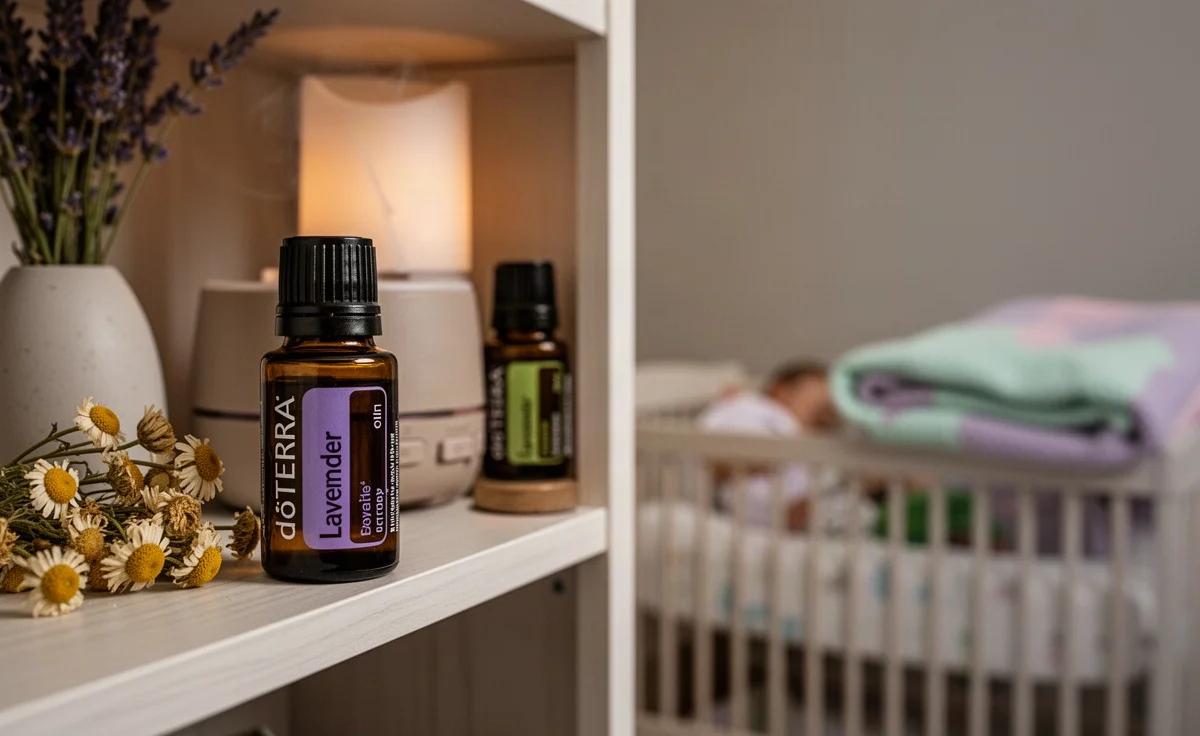
doTERRA Lavender vs Serenity for Toddler Bedtime
By the LittleSynergy Team — moms, Wellness Advocates & doTERRA enthusiasts
You have tried the lullabies, the nightlight, and the third glass of water, and bedtime still feels like a negotiation. If you are here, you are probably wondering whether Lavender or Serenity makes more sense in your toddler's evening routine. Our honest take: for most families, Lavender is the simpler starting point for toddler bedtime, while Serenity works better when you want a softer, more layered aroma that parent and child can share. Neither replaces a consistent routine, and we always check with our pediatrician before diffusing around little ones.
What Each Oil Brings to Bedtime
Lavender is the classic. Its floral, herbaceous scent is a single-note aroma that many parents find predictable and easy to introduce. We like it for building a clear sleep association because the smell stays consistent night after night. Serenity, by contrast, is a blend with lavender plus warm, grounding notes like vanilla and cedarwood. The result is a smoother, less piercing scent, which suits families who find pure lavender a bit sharp.
Side-by-Side Comparison
| Criterion | Lavender | Serenity |
|---|---|---|
| Scent profile | Single floral note | Soft, warm, layered blend |
| Familiarity | Very widely known | Less known, more complex |
| Best fit | Simple, consistent routine | Shared parent-child wind-down |
| Diffuser use | Yes, modest drop count | Yes, modest drop count |
| Toddler association | Easy to build | Gradual, cozy atmosphere |
| Caution | Keep diffused, brief sessions | Keep diffused, brief sessions |
How We Use Them, Step by Step
- Start with a short, calm wind-down: low lights, quiet play, no screens.
- Add 3 drops of your chosen oil per 100 ml of water in a diffuser placed well away from the crib.
- Run the diffuser for 30 minutes only, in a well-ventilated room.
- Turn it off when you leave, rather than running it all night.
- Watch how your toddler responds over several nights and adjust or pause if anything feels off.
Which One to Choose
Choose Lavender if you want one recognizable scent and a no-fuss routine. Its single-note profile makes it easier to tell whether it suits your child's environment. Choose Serenity if you love the idea of a softer, blended aroma that you also enjoy during your own evening reset. The trade-off: blends introduce more aromatic variables, so it can be harder to pinpoint what is working. As always, we defer to doTERRA's product label and our pediatrician's guidance, and we keep every bottle out of reach of small hands.
Common Mistakes Parents Make with Toddler Diffusion
The biggest mistake we see is treating a diffuser like an air freshener you turn on and forget. A toddler's respiratory system is still developing, so more oil does not equal more calm. In fact, over-diffusing can trigger fussiness, watery eyes, or disrupted sleep, which is the opposite of your goal. Another frequent error is placing the diffuser on a bedside table right next to the crib, where the mist drifts directly into a small face. Instead, place the diffuser at least three feet away and never on a surface your toddler could reach or pull down. Finally, many parents introduce oils on the same night they change bedtime, pj routine, or room temperature. If you want to know whether Lavender or Serenity actually helps, change only one variable at a time and keep everything else identical.
Practical Ways to Test Without Wasting Your Bottle
Before committing to a full diffuser session, try a simple paper strip test. Add one drop of oil to a cotton pad or tissue and place it inside the empty diffuser (not running) about an hour before bedtime. This lets the room take on a faint aroma without active mist, so you can gauge your child's reaction. If that goes well for two or three nights, move to a 15-minute diffusion session, then gradually extend to 30 minutes only if sleep remains smooth. This stepped approach helps you spot sensitivity early. Also consider that both oils can work outside the bedroom, too: a calm living room wind-down with Serenity in the diffuser before the final diaper change often eases the transition into the nursery, while a single drop of Lavender on a cloth tucked high on a shelf can serve as a subtle crib-side cue without needing a machine at all. Keep both bottles labeled and stored in a lockbox if your toddler is in a climbing phase, because the bottles themselves can become a curiosity target during the bedtime routine.
Frequently Asked Questions
Is Serenity stronger than Lavender? No, Serenity tends to read as softer and warmer because the blend rounds out the floral notes. Lavender is more direct and recognizable.
Can I diffuse Lavender in a toddler's room all night? We use brief sessions of about 30 minutes in a ventilated room, never continuous diffusion overnight. Ask your pediatrician about what fits your child.
Which oil is better for a shared bedtime routine? If you and your toddler both wind down together, Serenity's layered scent often feels more welcoming for adults than pure lavender.
Do I need to dilute anything for diffusion? Diffusion does not require a carrier, but we keep drop counts low, around 3 drops per 100 ml of water, and never apply these oils to a toddler's skin without professional guidance.
Where can I learn more about toddler sleep oils? We have a fuller look in our review of doTERRA oils for toddler sleep, which covers routines and cautions in more detail.
Both oils can support a gentle evening ritual, but the real anchor is consistency, dimmed lights, and a predictable sequence your child can count on. Whether you start with Lavender or Serenity, slow, simple, and supervised is the way we approach it at home.
This content is for general information only and is not medical advice. Essential oils are not intended to diagnose, treat, cure, or prevent any disease; always consult a pediatrician before any use involving babies or children.