Lavender for Children Sleep, A Gentle Bedtime Idea
Many parents wonder if lavender can support a calmer bedtime for kids. Here's a cautious, practical look at using it in your family routine.
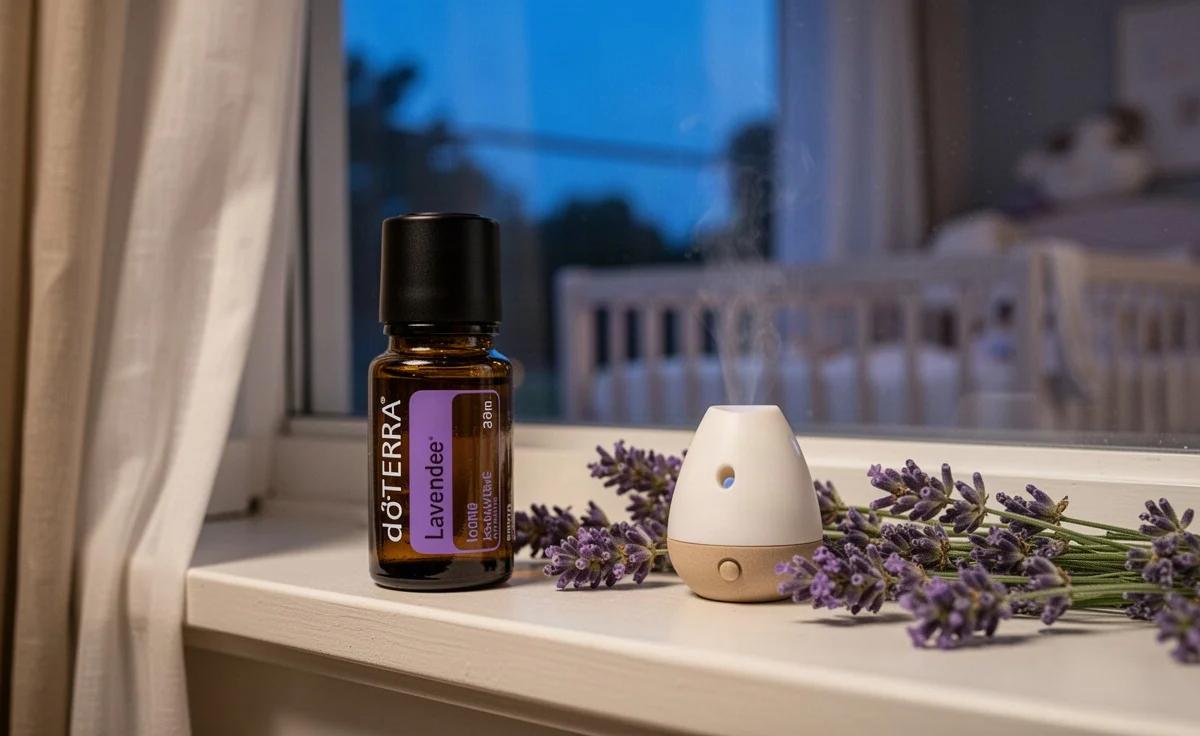
Lavender for Children Sleep, A Gentle Bedtime Idea
By the LittleSynergy Team — moms, Wellness Advocates & doTERRA enthusiasts
If you've ever stood by your child's bed at 9 p.m. wondering how to make the wind-down feel less like a battle, you're not alone. Many parents find that a simple, repeated bedtime ritual with a soft, familiar scent helps signal that the day is done. Lavender is often part of that ritual.
Many parents use Lavender as part of a calm evening atmosphere for children, not as a treatment for anything. The idea is simple: a consistent, cozy routine with diffused lavender in a shared family space can help everyone shift toward rest. It's the repetition and the association that matter most. Always check the product label and your pediatrician before using any essential oil around kids.
Why Lavender Fits a Bedtime Routine
Lavender's soft, floral scent is traditionally associated with relaxation. For children, it can become a sensory cue, something they smell and connect with pajamas, stories, and lights dimming. That association builds over time, not overnight.
What we recommend most often is keeping things simple and consistent. The goal is never to fix a sleep problem with a single drop, but to create an atmosphere that gently says, "the day is ending."
Lavender vs Cedarwood for Kids Sleep Compared
Both oils are popular for evening routines, but they feel different in a room. This quick comparison can help you choose where to start.
| Oil | Scent Profile | Common Evening Use |
|---|---|---|
| Lavender | Soft, floral, sweet | Classic bedtime diffuser choice |
| Cedarwood | Warm, woody, grounding | Often blended with lavender |
Cedarwood tends to feel heavier and more anchoring, while lavender feels lighter and more familiar. Many parents begin with lavender and add other oils only once the routine is established. See our full comparison of lavender vs cedarwood for kids sleep for more.
How to Use Lavender for Children Sleep
Here is a cautious, step-by-step approach that keeps the child's safety first.
- Diffuse in a shared family space, not right next to the bed. Use a small amount, such as 3 drops per 100 ml of water.
- Run the diffuser for about 30 minutes before bedtime, then turn it off. The child does not need to sleep with it running.
- Keep the room ventilated during and after diffusing.
- If you prefer no diffuser, place a drop of lavender on a cotton ball inside a closed container you open briefly before the routine, then close again.
- Never apply lavender directly to a child's skin without a pediatrician's guidance. For children under two, do not apply essential oils to the skin at all without medical advice.
- Store the bottle out of reach of children and follow the doTERRA label.
Read This Before You Start
Lavender is widely seen as a mild oil, but caution still applies. Essential oils are not a substitute for pediatric care, and no oil should be described as completely safe for every child. High-menthol oils like peppermint and eucalyptus should be kept away from young children entirely, and phototoxic citrus oils should never be used on sun-exposed skin. If your child has allergies, asthma, or any medical condition, ask your pediatrician first.
Common Mistakes Parents Make with Lavender Bedtime Routines
The biggest mistake is going too strong, too fast. A bedroom that smells like a lavender field can be overwhelming for small noses, leading to fussiness instead of calm. Start with fewer drops than you think you need, and watch your child's reaction over several nights before adjusting.
Another common slip is diffusing continuously all night. Children do not need the scent while they sleep; constant exposure can make the association weaker, not stronger. The cue works best when it appears during the wind-down period and then disappears.
Finally, many parents switch oils every few nights, chasing a "better" result. That undermines the whole point. Pick one oil, one routine, and stick with it for at least two weeks before deciding whether it fits your family.
Age-Specific Practical Tips for the First Two Weeks
Toddlers (2–4 years): Pair the lavender scent with a touch-based ritual, like a slow back rub or hand massage using unscented lotion. The combination of familiar touch and scent builds a stronger wind-down cue than either alone.
School-age children (5–10 years): Let them be part of the routine. Have them count the drops into the diffuser (with supervision) or press the start button. Ownership often reduces bedtime resistance because the routine becomes "theirs."
Older children and teens (11+): Consider a "sniff jar" approach instead of diffusion: a small jar with a cotton ball and one drop of lavender they can open and inhale once before reading or screens-off time. It is discreet, portable, and respects their growing need for autonomy over their own bodies and spaces.
Frequently Asked Questions
Is lavender safe to diffuse around children? Diffusing lavender in a ventilated shared space is a common practice, but it depends on the child's age and health. Always check doTERRA's age guidance and consult a pediatrician.
Can I put lavender oil on my child's pillow? Applying essential oils directly to a pillow or skin is something to discuss with a pediatrician. For young children, diffusion in a ventilated room is a gentler starting point.
How many drops of lavender should I use? For ambient diffusion in a shared space, around 3 drops per 100 ml of water for 30 minutes is a typical starting point. For anything applied to skin, leave the amount to a pediatrician.
Does lavender make children sleep? No. Lavender is not a treatment for sleeplessness. It can be part of a relaxing evening ritual, but the consistency of the routine matters more than the oil itself.
Can I use lavender during pregnancy or breastfeeding? Always check with your doctor, OB, or midwife before using essential oils during pregnancy or while nursing.
Final Thoughts
A gentle lavender bedtime ritual can be a lovely part of family wind-down time. Keep it simple, keep it consistent, and let the routine, not just the scent, do the work. When in doubt, your pediatrician is always the right first call.
This content is for general information only and is not medical advice. Essential oils are not intended to diagnose, treat, cure, or prevent any disease; always consult a pediatrician before any use involving babies or children.