Pregnancy Safe doTERRA Oils for Morning Sickness
Gentle doTERRA oils that many moms use for pregnancy nausea. A warm, practical guide with safe diffusing habits and honest reminders to ask first.
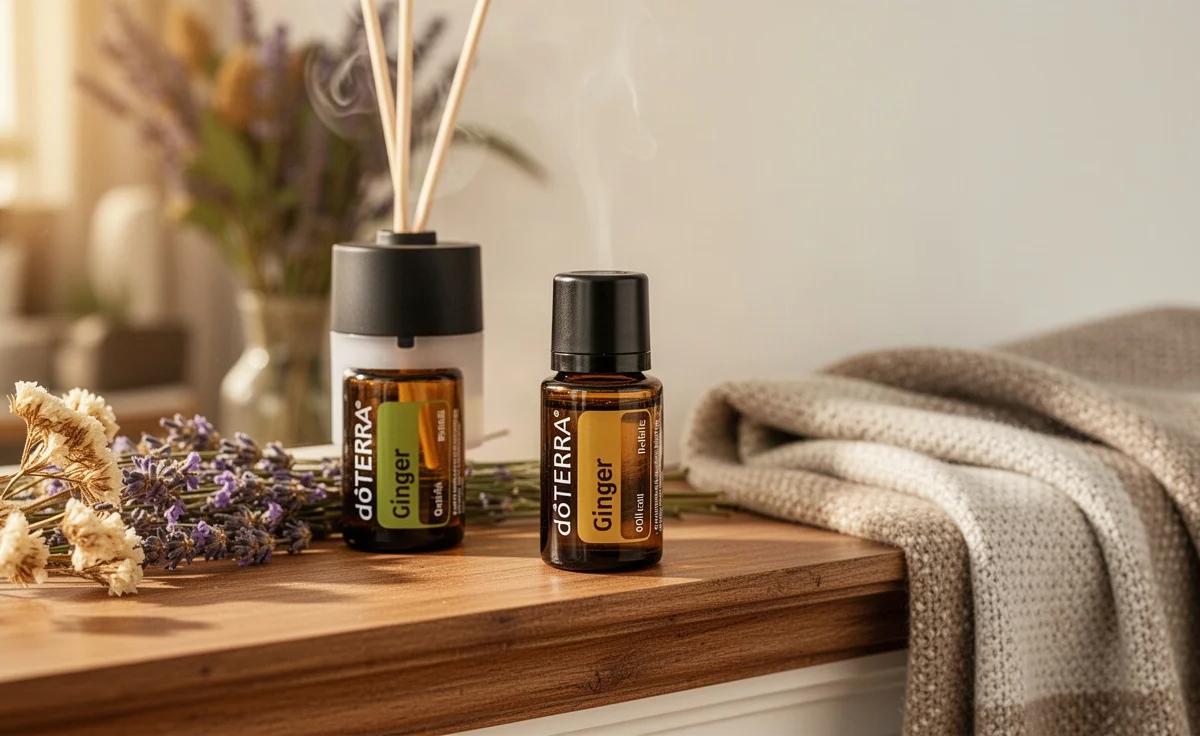
Pregnancy Safe doTERRA Oils for Morning Sickness
By the LittleSynergy Team — moms, Wellness Advocates & doTERRA enthusiasts
Many moms-to-be stand in front of their oil shelf nauseous, exhausted, and completely unsure which little brown bottle would help and which one to leave alone. If you are here, you are probably doing the same thing: wanting gentle support without second-guessing every choice.
Here is the direct answer. Many pregnant moms find soft, calming aromas like Ginger and Peppermint helpful for occasional queasiness, usually by inhaling them briefly or diffusing small amounts in a well-ventilated room. That said, no essential oil should replace your doctor's guidance during pregnancy, and comfort levels vary a lot from one mom to the next. Always talk to your obstetrician or midwife before adding anything new to your routine, especially in the first trimester.
Oils Many Moms Reach For
Every pregnancy is different, so none of this is a promise. These are simply the oils we and many other moms have kept nearby for gentle aroma support.
| Oil | What Many Moms Like It For | How They Often Use It |
|---|---|---|
| Ginger | Settling the stomach, warm spice aroma | Brief inhalation from the bottle, diffuser |
| Peppermint | Cool, fresh scent that feels clearing | Soft inhalation, shared room diffusion |
| Lemon | Bright, clean citrus lift | Diffuser in an open living space |
A quick note on Lemon: its cheerful scent can cut through that heavy, queasy feeling, but citrus oils can make skin more sensitive to sunlight. Diffusing is the gentler route here.
A Simple Diffusing Routine for Wobbly Days
When nausea hit hardest, I kept things almost boring in the safest way possible.
- Open a window or door so fresh air moves through the room.
- Add just 2-3 drops of ginger or peppermint to a diffuser, less than I would use for an adult-only space.
- Sit across the room, not right next to the mist.
- Turn the diffuser off after 20-30 minutes and notice how I feel.
- Check with my midwife before trying any new oil or timing.
What to Keep Away for Now
Some oils that are perfectly lovely later are best avoided during pregnancy without a clear medical green light. Strong or warming oils like cinnamon, clove, oregano, and thyme tend to feel intense when everything already smells too strong. Wintergreen and rosemary are others best left on the shelf. When in doubt, less is more, and your doctor's word matters most.
Small Habits That Add Up
On hard days, I found that a drop of ginger on a cotton ball inside my bag gave me a discreet sniff option without touching my skin. Peppermint worked the same way during car rides. These little habits never replaced rest, small meals, or my midwife's advice, but they made the queasy hours feel slightly more manageable.
How Long to Inhale Without Overdoing It
More is not better when nausea is already making you sensitive. A good starting rhythm is one slow, normal breath with the bottle about an inch away from your nose, then set it down for at least 10 to 15 minutes before sniffing again. Repeated, constant inhalation can actually make a queasy stomach feel worse and may trigger a headache. If you catch yourself holding the oil under your nose or sticking it in a personal inhaler all morning, that is a sign to step outside, breathe plain air, and reset.
Common Mistakes That Backfire
A few well-meaning habits can turn a helpful oil into an overwhelming one. First, do not put undiluted ginger or peppermint on your wrists, chest, or upper lip while pregnant without a specific plan from your provider; that much aromatic input is often too strong and can irritate skin that is already more reactive. Second, avoid diffusing in a closed car or tiny bathroom where the scent has nowhere to go. Third, do not rotate through four different oils in one afternoon hoping one will "work"—your nose needs a break between smells. Stick with one oil at a time for a full day or two, and keep a neutral scent-free room available where you can escape the smell entirely.
Simple Ways to Keep Oils Nearby Without Overwhelming Yourself
Instead of leaving bottles open on the counter, make a small grab-and-go kit that stays out of the heat and away from your bedside where scent can build up overnight. A cotton pad with one drop of ginger inside a sealed glass jar works well for a quick lift during a work call or after a meal. For car rides, one drop of peppermint on a wooden clothespin clipped to the vent gives you a faint, controlled smell that fades rather than filling the whole car. Write down which oil you used, the time of day, and how you felt 30 minutes later, this simple log makes it easier to spot what actually helps and what simply seemed like a good idea in the moment.
Related reading
Frequently Asked Questions
Can I use doTERRA oils for morning sickness? Many moms use mild aroma support like ginger or peppermint for occasional nausea, but always check with your obstetrician or midwife first, especially early in pregnancy.
Which oils should I avoid during pregnancy? Strong warming oils like cinnamon, clove, oregano, and thyme are commonly left aside, along with wintergreen and rosemary, unless your doctor says otherwise.
Can I apply oils to my skin for nausea? During pregnancy, inhalation or well-ventilated diffusing is usually preferred over skin application, and any topical use should be discussed with your healthcare provider.
How many drops should I diffuse while pregnant? Keep it minimal, like 2-3 drops in a shared room, and always with good airflow. Stop if the scent feels too strong.
Does peppermint really help with nausea? Many moms find the cool, fresh scent comforting for occasional queasiness, but experiences vary, and it is not a substitute for medical guidance.
Gentle aroma support can feel like a small lifeline during morning sickness, but the safest approach is always the simplest one: go slow, keep the room airy, and let your doctor guide the way.
This content is for general information only and is not medical advice. Essential oils are not intended to diagnose, treat, cure, or prevent any disease; always consult a pediatrician before any use involving babies or children.