Lavender vs Chamomile for Baby Sleep Compared
Which is gentler for your baby's bedtime routine, lavender or chamomile? We compare scent, mood, and practical use for parents. A practical guide with clear.
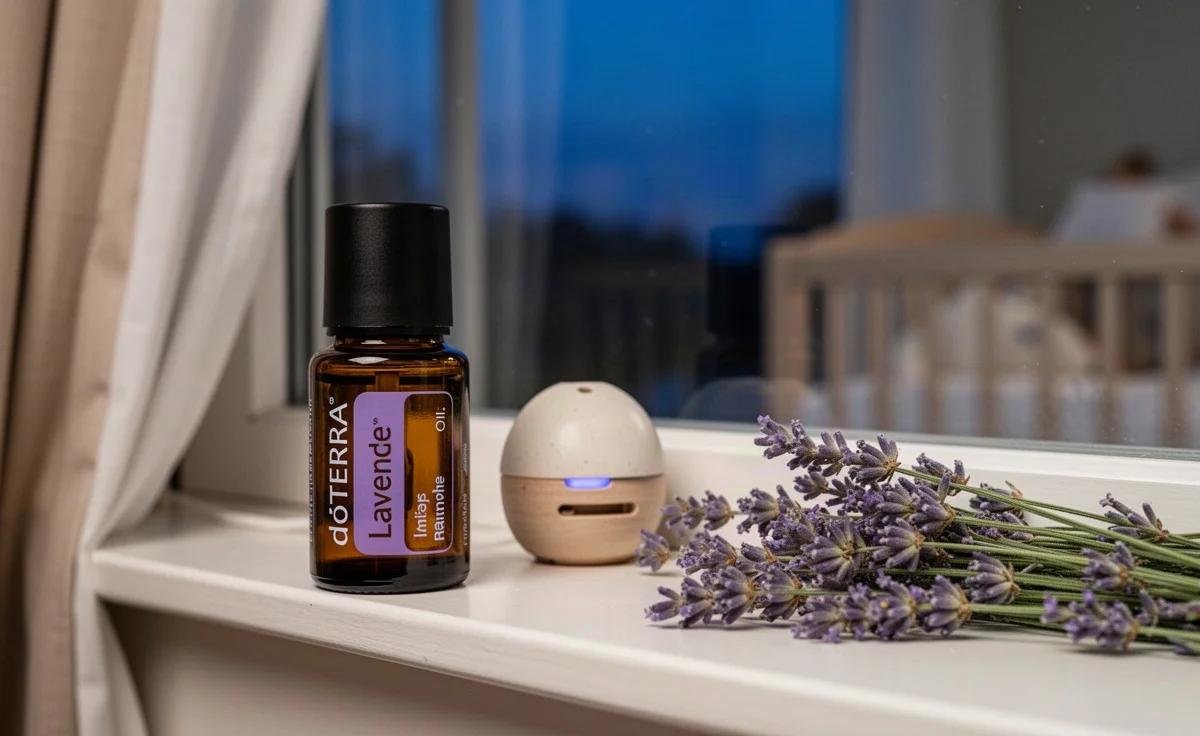
Lavender vs Chamomile for Baby Sleep Compared
By the LittleSynergy Team — moms, Wellness Advocates & doTERRA enthusiasts
You have probably stood in the baby aisle or scrolled online at midnight wondering if lavender or chamomile is the better pick for bedtime. They are the two names every parent hears, but few of us know how they actually differ. In our experience, lavender is the stronger classic for a cozy, familiar bedtime scent, while chamomile is the softer, subtler option for babies or moms who find lavender too floral or overwhelming. Neither one is "better" in a vacuum; it really comes down to your nose and your child's reaction.
For families new to essential oils, the first step is always the same: talk with your pediatrician, follow doTERRA's official age guidance on the product label, and keep any diffusing gentle, short, and in a well-ventilated area.
Quick Comparison: Lavender vs Chamomile
| Criterion | Lavender (Lavandula angustifolia) | Roman Chamomile |
|---|---|---|
| Scent profile | Floral, sweet, herbaceous, instantly recognizable | Soft, apple-like, warm, less intense |
| Best for | A classic, familiar bedtime atmosphere | Sensitive noses, small rooms, subtle rituals |
| Intensity | Noticeable; a little goes far | Gentle; easy to under-dose accidentally |
| Common pairing | Blends beautifully with citrus or woods | Ideal alone or with a carrier for calm moments |
| Watch out for | Can feel overpowering if diffused too long | So mild some parents wonder if it is "working" |
| Typical family use | Evening diffusion in shared spaces | Short, gentle diffusion before the bedtime routine |
The most important detail is the botanical name for lavender: Lavandula angustifolia is the sweet, gentle classical lavender, very different from spike lavender (Lavandula latifolia), which has a much sharper, camphor-like profile. For bedtime, we always mean the sweet one.
How to Choose: A Simple 3-Step Process
Start with the child, not the oil. If your little one consistently calms with a warm, recognizable scent, try Lavender first. If strong floral notes seem to overstimulate, Roman Chamomile is the gentler next step.
Opt for diffusion over direct skin application. Diffuse a tiny amount of oil in a shared, well-ventilated room away from the crib, for a short interval. For the very youngest members of the family, avoid diffusing strong or high-menthol oils altogether, and keep all bottles out of reach of children.
Repeat the same ritual. The real value is consistency: same scent, same low lighting, same sequence. The familiar pattern becomes a bedtime signal far more reliably than any single oil on its own.
Which One to Choose If...
Choose lavender if you want a classic, cozy anchor for the evening routine, and you already know your child responds well to gentle floral scents. It is the most traditional bedtime oil for a reason, and one drop of a pre-diluted touch blend can serve a whole shared space.
Choose chamomile if your child finds strong smells distracting, you have a smaller room, or you personally prefer something barely-there. It shines precisely because it does not shout.
A common mistake is assuming "stronger equals more effective." With little ones, less is genuinely more. You can read more in our guide to Lavender for Children Sleep, Gentle Bedtime Support if lavender is your frontrunner.
Common Mistakes Parents Make with Bedtime Oils
Over-diffusing in a closed nursery. It feels soothing to fill a small room with a lovely scent, but a tiny sealed space can quickly become overpowering for a baby’s developing airways. A better approach is to run the diffuser for 10–15 minutes before you bring your child into the room, then switch it off. The scent lingers gently without becoming saturated.
Applying oil to bedding or stuffed animals. The oil does not evaporate from fabric the way it does in a diffuser, and your baby may lie with their face against that exact spot for hours. If you use a touch blend, place it on your own hands or clothing—never on the child’s pillow, sleep sack, or lovey.
Switching scents too often. Parents sometimes rotate lavender, chamomile, and a third blend within the same week, then wonder why bedtime feels chaotic. Pick one, stick with it for at least a week or two, and observe. Consistency tells your baby’s brain, “now we wind down.”
Simple Bedtime Diffusion Schedules that Work
The 5-3-5 routine. Run the diffuser for 5 minutes while you dim the lights and close curtains, off during the 3 minutes of final feeding or rocking, then on again for 5 minutes as you place your child in the crib and leave. The brief, predictable bursts create a gentle scent rhythm without overwhelming the room.
The pre-bath bloom. Diffuse while you run the evening bath in the bathroom (not the nursery). Your child associates the scent with warm water and soothing touch, and the nursery itself stays free of any direct exposure. By bedtime, the scent has faded to a whisper.
The “outside the door” trick. Place the diffuser in the hallway outside the nursery and run it on low. Air currents carry just enough of the aroma into the room without ever collecting near the crib. This works especially well if your child already shows signs of scent sensitivity.
Whatever pattern you choose, write it down and repeat it exactly for several nights. Your baby learns the cue, and you avoid the sneaky habit of “just one more drop” on difficult evenings.
Frequently Asked Questions
Can I diffuse lavender around a baby?
It depends on the specific oil, your child's age, and your pediatrician's advice. Many parents prefer to diffuse in a shared, well-ventilated space away from the crib, using less than they would for themselves, and always following doTERRA's label guidance.
Is chamomile safer than lavender for babies?
Neither plant oil is inherently "safe" just because it is gentle-smelling. The safest approach is to check with your pediatrician, use very small amounts in open air, and never apply either oil directly to a baby's skin without professional guidance.
Which oil helps babies sleep faster?
Essential oils are not sleep treatments, and no oil can promise faster sleep. The comforting, repeated bedtime ritual matters far more than the specific scent.
Can I mix lavender and chamomile?
Some families do blend them, but for a child it is often better to introduce one simple scent at a time so you can observe how they respond. If you do blend, keep the total amount very small.
Why does my lavender bottle smell sharp?
You may have spike lavender rather than Lavandula angustifolia. Check the botanical name on the label, because the two plants have very different aromatic profiles.
The honest answer is that most families land on one favorite after a few evenings of quiet, consistent evenings. Start gentle, keep the routine simple, and let your pediatrician and your own instincts guide the details.
This content is for general information only and is not medical advice. Essential oils are not intended to diagnose, treat, cure, or prevent any disease; always consult a pediatrician before any use involving babies or children.