Safe Aromatherapy for Pregnancy Nausea and Fatigue
Struggling with pregnancy nausea and exhaustion? Discover gentle aromatherapy options for moms to be, plus when to check with your doctor. A practical guide.
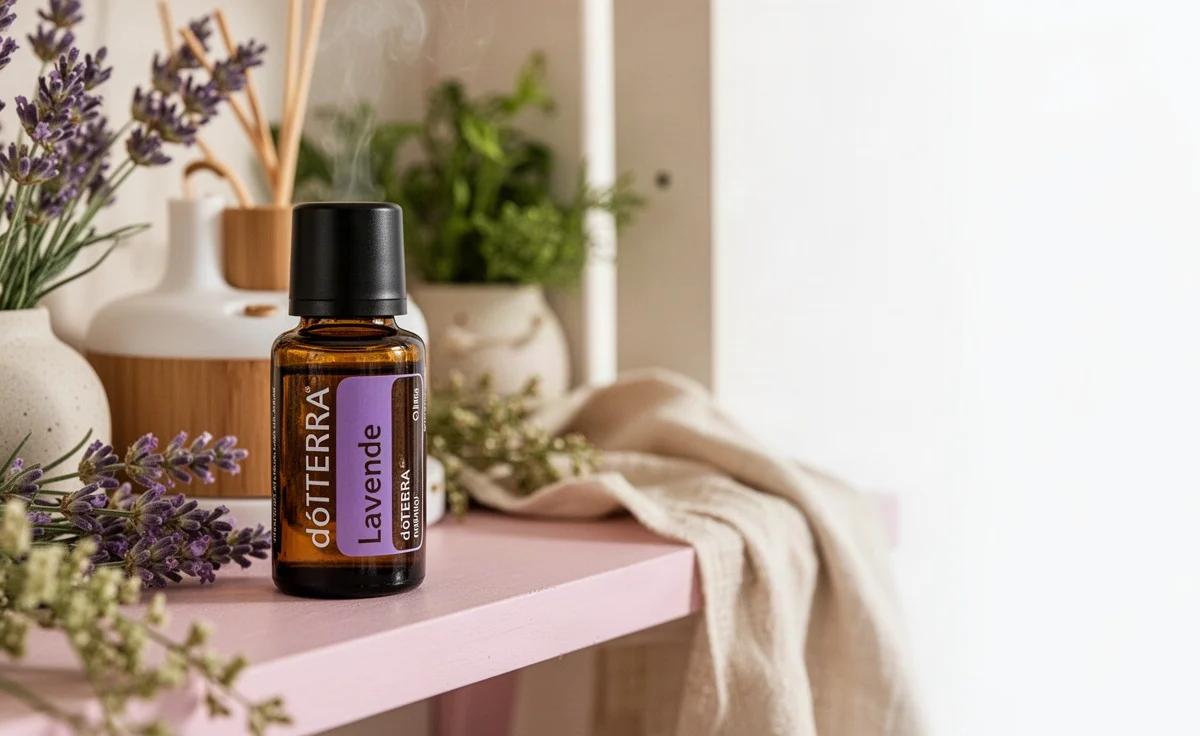
Safe Aromatherapy for Pregnancy Nausea and Fatigue
By the LittleSynergy Team — moms, Wellness Advocates & doTERRA enthusiasts
You are curled on the couch at 3 p.m., crackers untouched, eyes heavy, and a wave of queasiness rolls in just as your toddler asks for a snack. The short answer is that some gentle essential oils, used sparingly in a diffuser in a shared living space, are a popular comfort measure many pregnant moms turn to for nausea and sluggishness. The safer starting points are typically soft, non irritating options like Lavender for calm and citrus notes for a brighter mood. However, every pregnancy is different, so aromatherapy during this time is never a one size fits all solution. The most important step is to ask your doctor, OB, or midwife before introducing any new oil routine. This article shares what has felt gentle and supportive in our own homes, while always deferring to the medical professional who knows your pregnancy best.
Why Aromatherapy Can Feel So Appealing
When you feel rotten, a pleasant scent in the air is one of the few comforts that requires almost no energy. Many moms find that diffusing a soft, non irritating oil in a well ventilated family room or kitchen helps shift the atmosphere from "survival mode" to something a little kinder. The goal here is never treatment. It is simply creating a gentler sensory environment. Because pregnancy can sharpen your sense of smell dramatically, what you loved last month might suddenly feel overpowering. Start with fewer drops than you would normally use, keep the room airy, and step outside for fresh air if a scent stops feeling good.
A Gentle Comparison of Common Oils
| Oil | Why Moms Often Reach for It | Our Cautious Note |
|---|---|---|
| Lavender | Soft, familiar, comforting aroma | Keep diffuser time short and room ventilated |
| Wild Orange | Bright, uplifting citrus note | Avoid applying to skin before sun exposure |
| Lemon | Fresh, clean, energizing scent | Same phototoxicity caution for skin |
| Peppermint | Very strong, cooling aroma | Not our first choice during pregnancy; ask your doctor |
A note on missing oils: do not order a bottle of Peppermint because you hope it will settle your stomach. Many moms find its menthol scent too intense during pregnancy, and it is simply not a gentle starting point. Gentle doTERRA oils for pregnancy nausea explores this in more detail.
A Simple, Cautious Routine You Can Try
- Open a window or door to keep air moving before you start.
- Add a small amount of a gentle oil like Lavender or Wild Orange to your diffuser, far fewer drops than you would use when not pregnant.
- Diffuse for a short period in a shared space like the living room, never right next to your face.
- Notice how you feel. If a scent becomes too much, turn the diffuser off and step outside.
- Mention your aromatherapy habit at your next prenatal appointment, and keep all bottles out of reach of curious little hands.
Specific Blends That Feel Gentle in Practice
If single oils feel too one-note, try a very diluted two-oil combination in a shared space. A drop of Lavender plus a drop of Wild Orange in 100–150 ml of water can smell soft rather than sharp. Another quiet favorite is Lemon paired with a tiny amount of Lavender: the citrus lifts while the floral keeps it from feeling astringent. Avoid making a large batch ahead of time. Instead, mix only what you plan to diffuse that day so you can adjust or abandon it if your nose changes its mind within hours. Refrigerating a pre-made blend may seem convenient, but pregnancy-heightened smell can make even a previously pleasant mix suddenly feel cloying. Keep blends simple, label the bottle with the date and contents, and never place a diffuser on a bedside table where you might fall asleep with it running close to your face.
Common Mistakes That Can Turn a Comfort Into a Trigger
One frequent misstep is treating the diffuser like an air freshener: leaving it on for hours in a closed room until the scent saturates fabric and hair. Another is assuming that because an oil is “natural” it deserves more drops. During pregnancy the opposite is usually truer, and a heavy hand can provoke the very nausea you hoped to ease. Some moms also reach for a personal inhaler or apply oil to a cotton ball inside a mask, which places the aroma directly under the nose; this can feel overwhelming quickly. Instead, let the scent disperse across the room so you can move toward or away from it. Finally, avoid rotating through many new oils in one week. Your body is already managing constant change, and introducing several unfamiliar scents makes it harder to tell what helps, what does nothing, and what quietly makes things worse.
Related reading
Frequently Asked Questions
Is aromatherapy safe during pregnancy? It depends on the oil, the amount, and you. Gentle options like Lavender and citrus oils are common choices, but always ask your doctor or midwife first.
Which oils should I avoid while pregnant? Strong, intense oils like Peppermint, Cinnamon, Clove, Oregano, and Thyme are generally not recommended as gentle starting points. Your prenatal care provider is the best source for personalized advice.
Can I put essential oils on my skin for nausea? We do not recommend it without first talking to your doctor. Diffusing a small amount in a shared, ventilated room feels like the more cautious and comfortable route for most pregnant moms.
How much oil should I use in the diffuser? Far less than you would normally use. Pregnancy can make scents overwhelming. Start with a tiny amount and increase only if it still feels pleasant.
What if a smell suddenly makes me feel worse? Turn the diffuser off, open a window, and get fresh air. A scent that helped last week can feel awful this week, and that is completely normal.
A Quiet Word to End On
Aromatherapy during pregnancy is not about fixing anything. It is about adding one soft, pleasant moment to an otherwise exhausting day. Keep it light, keep it cautious, and let your care provider guide the choices that feel right for you.
This content is for general information only and is not medical advice. Essential oils are not intended to diagnose, treat, cure, or prevent any disease; always consult a pediatrician before any use involving babies or children.