Best Gentle Essential Oils for Kids Sleep
Discover the best gentle doTERRA oils for kids sleep, calming bedtime routines, diffuser tips and safe habits for the whole family. A practical guide with.
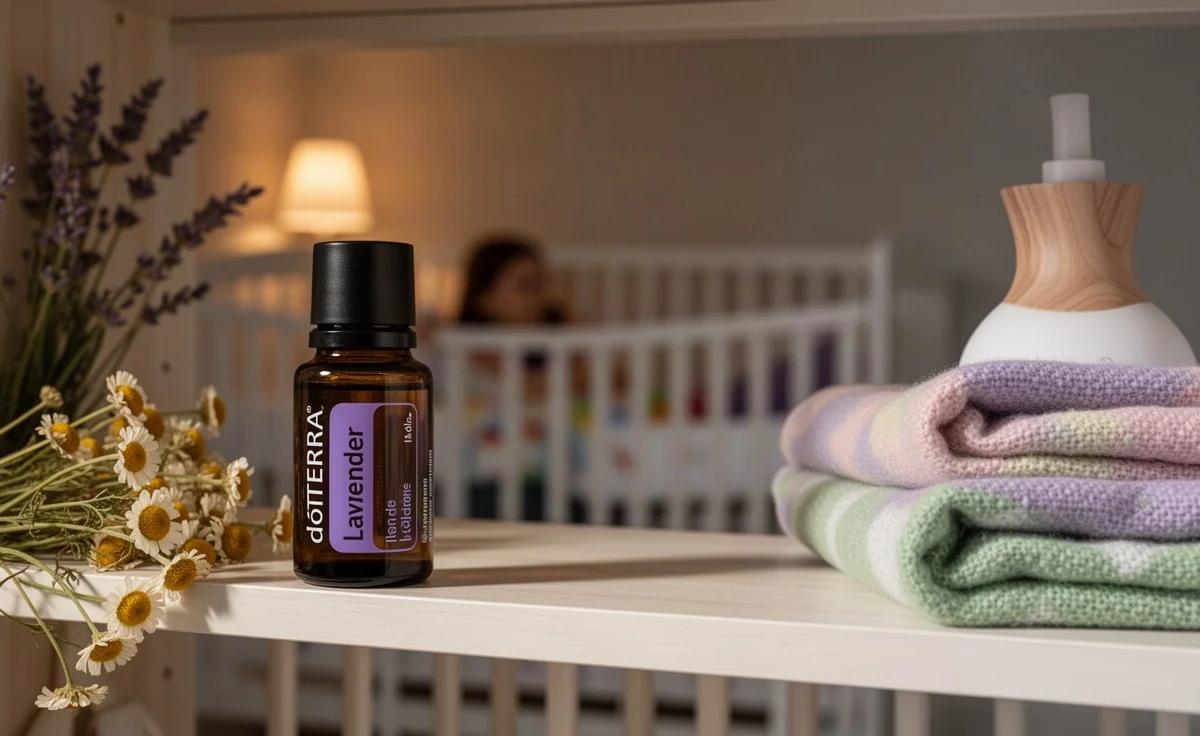
Best Gentle Essential Oils for Kids Sleep
By the LittleSynergy Team — moms, Wellness Advocates & doTERRA enthusiasts
If bedtime feels more like a negotiation than a wind-down, you are not alone. The best doTERRA oils for kids sleep are the soft, floral and cozy ones: Lavender, Roman Chamomile, and the doTERRA blends Serenity and Balance. These are the oils many parents reach for when they want a calmer evening atmosphere, not a medical fix, just a warmer, slower transition from playtime to pillow time.
Why Gentleness Matters at Bedtime
When we first started diffusing around kids, we thought stronger meant better. We have learned the opposite. Children's senses are far more sensitive than ours, and a light scent that simply makes the room feel softer is usually plenty. The goal is comfort, never intensity.
Every family is different, so what we always suggest is to start slowly, watch how your child responds, and keep the pediatrician in the loop before introducing any new aroma into their space.
The Most Popular Bedtime Oils
Here is how the gentlest options compare:
| Oil | Aroma | What Parents Tend to Notice |
|---|---|---|
| Lavender | Soft, floral, herbaceous | A classic bedtime favorite, very familiar |
| Roman Chamomile | Warm, sweet, apple-like | Often described as soothing and comforting |
| Serenity blend | Calm, powdery, lightly sweet | Blended specifically for relaxing moments |
| Balance blend | Woody, grounding, slightly sweet | Helps the whole room feel settled |
A Few Whole-Home Favorites
Lavender is the one I recommend most often to moms just starting out. It is widely loved, easy to enjoy, and works beautifully in a diffuser placed well away from little hands. Serenity is another lovely option because it blends Lavender, Cedarwood and other soft notes into one ready-to-go bottle.
A Simple Bedtime Diffusing Routine
This is the rhythm many parents settle into.
- Start diffusing about 30 minutes before bedtime in the main family room, not the crib or bed.
- Use only a tiny amount, far less than you would for yourself, just enough to make the room feel pleasant.
- Keep the diffuser out of reach and on a stable surface, never near the edge of a table.
- Let the scent be background, like soft music, never the main event.
- Watch your child's mood and comfort. If anything feels off, stop and try a different evening.
What to Keep in Mind
The kindest rule is the cautious one. Newborns and infants should not be around diffused oils at all. For babies and young children, always ask your pediatrician first and follow doTERRA's official age guidance on the product label. Steer clear of strong oils like Eucalyptus, Peppermint, Wintergreen and Rosemary around the very young, and never apply oils to a child's skin without professional guidance. If you want to learn how we shape a slower evening routine, I wrote more about that in our gentle bedtime routine guide.
Common Mistakes Parents Make (And How to Avoid Them)
One of the most frequent missteps I see is diffusing too close to a child's face or pillow. Even a gentle oil like Lavender can feel overwhelming when the scent is concentrated directly where a child breathes. Keep the diffuser at least a few feet away, ideally across the room, and always in a spot where curious hands cannot reach it.
Another mistake is treating oils like an on/off switch. Diffusing more drops on a restless night rarely helps and can actually make the room feel heavy. Instead, keep the amount consistent and focus on the routine itself — dim lights, a quiet story, and a calm tone of voice do most of the heavy lifting. If your child seems bothered by a new oil, trust that reaction. It is easier to switch to a single, familiar oil than to push through with a blend that is not working.
Simple Ways to Introduce a New Oil Without Overwhelm
When trying a new oil, I recommend doing a "scent test" during the day, not at bedtime. Place one drop on a cotton ball, let it sit in the room for a few minutes, and casually ask your child if they like the smell. No pressure, no diffuser, just a low-stakes introduction.
You can also pair a new oil with something familiar. For example, if you already know your child enjoys Lavender, try a 2:1 ratio of Lavender to Roman Chamomile in the diffuser. This gives the room a recognizable base while gently layering in something new. Write down what you tried and how your child responded — after a week or two, you will have a simple, personal guide to what works in your home.
Related reading
Frequently Asked Questions
What is the best doTERRA oil for a child's sleep?
The oil parents mention most often is Lavender, followed by Roman Chamomile and the doTERRA blend Serenity. The best choice is the one your child finds most pleasant and calming.
Can I diffuse oils in my child's bedroom?
It is generally gentler to diffuse in a shared family space before bed rather than directly in a young child's sleeping area. Always ask your pediatrician and follow the product label.
How many drops should I use for a child?
Children need far fewer drops than an adult, and the exact amount depends on the child and the oil. Please follow doTERRA's official label guidance and your pediatrician's advice rather than any number shared casually.
Is Lavender safe for children?
Lavender is one of the most commonly used oils in family homes, but no oil is automatically suitable for every child. Diffuse sparingly in an open, shared space and consult your pediatrician first.
Which oils should I avoid around young children?
Keep oils like Eucalyptus, Peppermint, Wintergreen, Rosemary, Cinnamon, Clove and Oregano away from young children, especially for inhalation or skin use.
A Gentle Goodnight
The best doTERRA oils for kids sleep are the quiet, soft ones that make the evening feel a little slower and a lot sweeter. Start small, stay cautious, and let your child's comfort lead the way. A calm home is the real goal, and that is something every family can create in their own way.
This content is for general information only and is not medical advice. Essential oils are not intended to diagnose, treat, cure, or prevent any disease; always consult a pediatrician before any use involving babies or children.